
The Ultimate Guide to Connected TV (CTV) Advertising in 2025: Trends, Strategies, and Insights
Discover the comprehensive guide to connected TV (CTV) advertising in 2025. Learn how CTV revolutionizes media consumption, explore targeting strategies, formats, benefits, and future trends. Stay ahead in digital marketing by understanding how to leverage this growing platform for maximum impact and engagement. This article provides insights into overcoming challenges, adopting innovative formats like interactive ads and AR/VR integrations, and optimizing campaigns for the evolving CTV landscape. Perfect for marketers aiming to harness the full potential of connected TV in their advertising strategies.
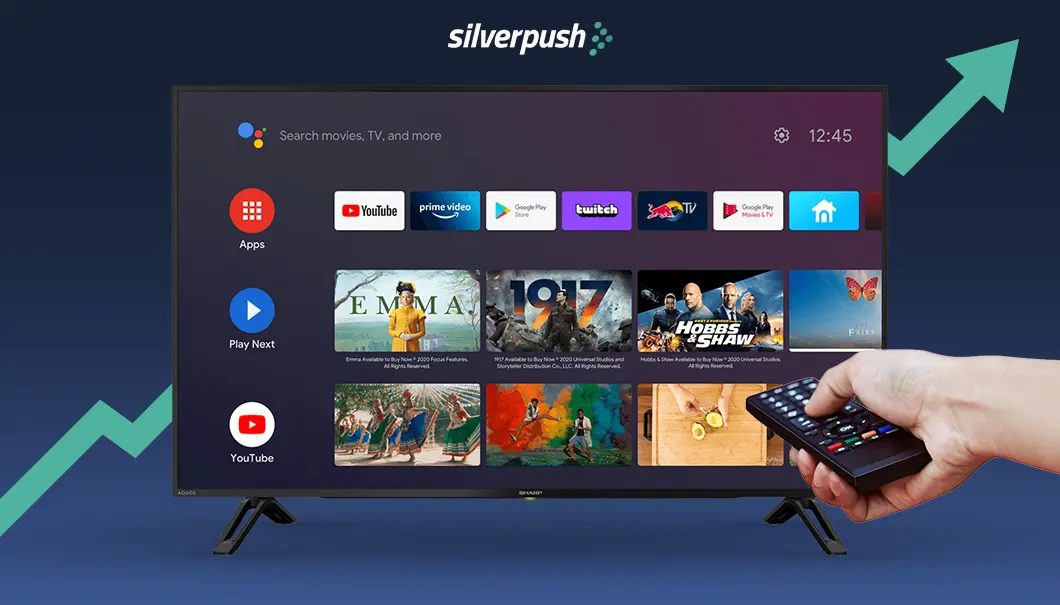
Comprehensive Overview of Connected TV (CTV)
Connected TV, commonly referred to as CTV, revolutionizes how audiences access and enjoy digital content. Essentially, CTV encompasses any television device that accesses the internet to stream movies, series, or other digital media. This category covers a broad spectrum, including smart TVs, gaming consoles, and versatile streaming devices like Roku, Amazon Fire TV, and Apple TV. The proliferation of streaming giants—Netflix, Hulu, Disney+, Amazon Prime Video—has catalyzed the massive boom of CTV as a mainstream entertainment medium. As of 2025, a significant shift is underway: conventional cable subscriptions are declining sharply, while streaming via connected televisions is surging, reshaping the media consumption landscape and redefining advertising strategies.
The Evolution and Growth of CTV
The migration towards connected TV is driven by shifting consumer preferences. Today’s viewers demand more personalized, on-demand content that fits seamlessly into their lifestyles. Unlike traditional broadcast or cable TV, CTV offers a flexible and interactive viewing experience empowered by internet connectivity. Recent surveys reveal that over 80% of households in the United States have at least one device designated for CTV consumption, underscoring its rapid adoption. This exponential growth has made CTV an indispensable platform for marketers seeking to reach engaged audiences in a contextually relevant and measurable way.
Mechanics Behind CTV Advertising
CTV advertising integrates digital marketing principles into the television environment, combining the broad reach of TV with the precision targeting of online ads. This form of advertising leverages data-driven insights to serve targeted video ads to specific segments, based on user demographics, viewing behaviors, browsing history, and geographic location. Unlike traditional TV ads, which are broadcast broadly to all viewers, CTV ads can be tailored and optimized in real-time, resulting in more effective campaigns and better return on investment. Delivery is typically facilitated via ad servers integrated into streaming platforms or device operating systems, ensuring seamless ad placement during content playback.
Advantages and Benefits of CTV Advertising
The rise of CTV advertising comes with multiple compelling benefits that make it an attractive option for brands of all sizes. Chief among these are:
- Enhanced Audience Targeting: Advertisers can focus on specific demographics, interests, or behaviors, ensuring their message reaches the most relevant consumers.
- Granular Measurement and Analytics: Advanced analytics tools provide detailed insights into viewer engagement, ad impressions, click-through rates, and conversions, enabling data-backed campaign adjustments.
- Cost Efficiency: Compared to conventional TV advertising, CTV often requires a lower investment for a targeted reach, reducing wastage and increasing ROI.
- High Engagement Levels: Streaming viewers tend to be more attentive and less distracted than traditional TV audiences, resulting in higher ad recall and engagement.
- Flexibility and Quick Optimization: Campaigns can be rapidly scaled up or down, with real-time data allowing marketers to refine their messaging and targeting strategies continually.
Popular Formats in CTV Advertising
CTV advertising manifests in diverse formats, each suited to different marketing objectives:
- In-Stream Video Ads: Pre-roll, mid-roll, or post-roll ads that play before, during, or after streamed content are the most common format. They resemble traditional TV commercials but benefit from precise targeting.
- Interactive and Shoppable Ads: These enable viewers to interact with the ad—such as clicking for more information, participating in polls, or directly purchasing products—enhancing engagement and conversion potential.
- Branded Content and Sponsorships: Collaborations with content creators or streaming platforms to produce sponsored series, segments, or native ads that integrate seamlessly into viewing experiences.
Challenges Facing CTV Advertising
Despite its advantages, CTV advertising encounters certain hurdles. Notably, ad fraud remains a concern, with illegitimate traffic sources inflating viewer numbers and skewing analytics. The fragmented CTV ecosystem, with numerous devices and platforms, complicates campaign management and uniform measurement. Privacy regulations and user data protection laws also impose restrictions on data collection and targeting, requiring advertisers to stay ahead with compliant strategies. Additionally, the technology landscape is continually evolving, demanding ongoing adjustments in ad delivery and measurement standards.
The Future Trajectory of CTV Advertising
Looking beyond 2025, CTV advertising is poised for transformative growth through technological innovations. Enhanced targeting capabilities will emerge thanks to advancements in machine learning and AI, enabling ultra-personalized ad experiences. The integration of emerging technologies such as augmented reality (AR) and virtual reality (VR) promises immersive advertising formats that can captivate viewers in novel ways. Furthermore, cross-platform data integration will improve audience insights, allowing seamless measurement of multi-device campaigns. As various streaming platforms and smart devices become more interconnected, the ecosystem’s complexity will increase, but so will its potential for precision marketing. The focus on privacy-conscious advertising will also grow, aligning with regulatory standards and consumer expectations.
The Significance of Embracing CTV in Marketing Strategies
Businesses aiming to stay competitive in the digital age must recognize the strategic importance of CTV advertising. It offers unparalleled opportunities to connect with audiences in an environment where engagement is high, and measurability is advanced. By adopting innovative formats and leveraging data-driven insights, brands can craft compelling campaigns that resonate and convert. CTV is no longer just an accessory to traditional media; it is a core pillar of modern advertising. As the industry evolves, those who embrace and adapt to the unique advantages of CTV will be best positioned for continued success.
Closing Remarks: Navigating the CTV Revolution
The landscape of media consumption is undergoing a profound transformation driven by technology and changing consumer habits. Connected TV stands at the heart of this evolution, bridging the gap between traditional television and digital marketing. Its growth trajectory indicates that CTV advertising will only become more sophisticated, targeted, and effective. For marketers, understanding how to harness its power—and overcoming associated challenges—is crucial for future success. In 2025 and beyond, the CTV revolution will redefine how brands engage with audiences, making it essential to incorporate this platform into comprehensive marketing strategies.
In summary, connected television is not merely a fleeting trend but a foundational shift in media and advertising. Adapting to this new reality will be vital for brands seeking sustained growth and meaningful customer connections in an increasingly digitized world.