
Innovative Trends in Modern Apparel Production: A Deep Dive into Cutting-Edge Clothing Manufacturers
This comprehensive article explores how innovative clothing manufacturers are transforming the fashion industry through sustainability, advanced technologies, and ethical practices. It covers eco-friendly materials, manufacturing innovations like 3D printing and AI, transparent supply chains, and personalized fashion. The shifts toward circular design and responsible sourcing highlight industry trends shaping a sustainable future. As technology and ethical standards evolve, these manufacturers are setting new benchmarks, driving the industry toward greater innovation, responsibility, and consumer-centricity, ultimately fostering a sustainable and ethical fashion ecosystem for generations to come.
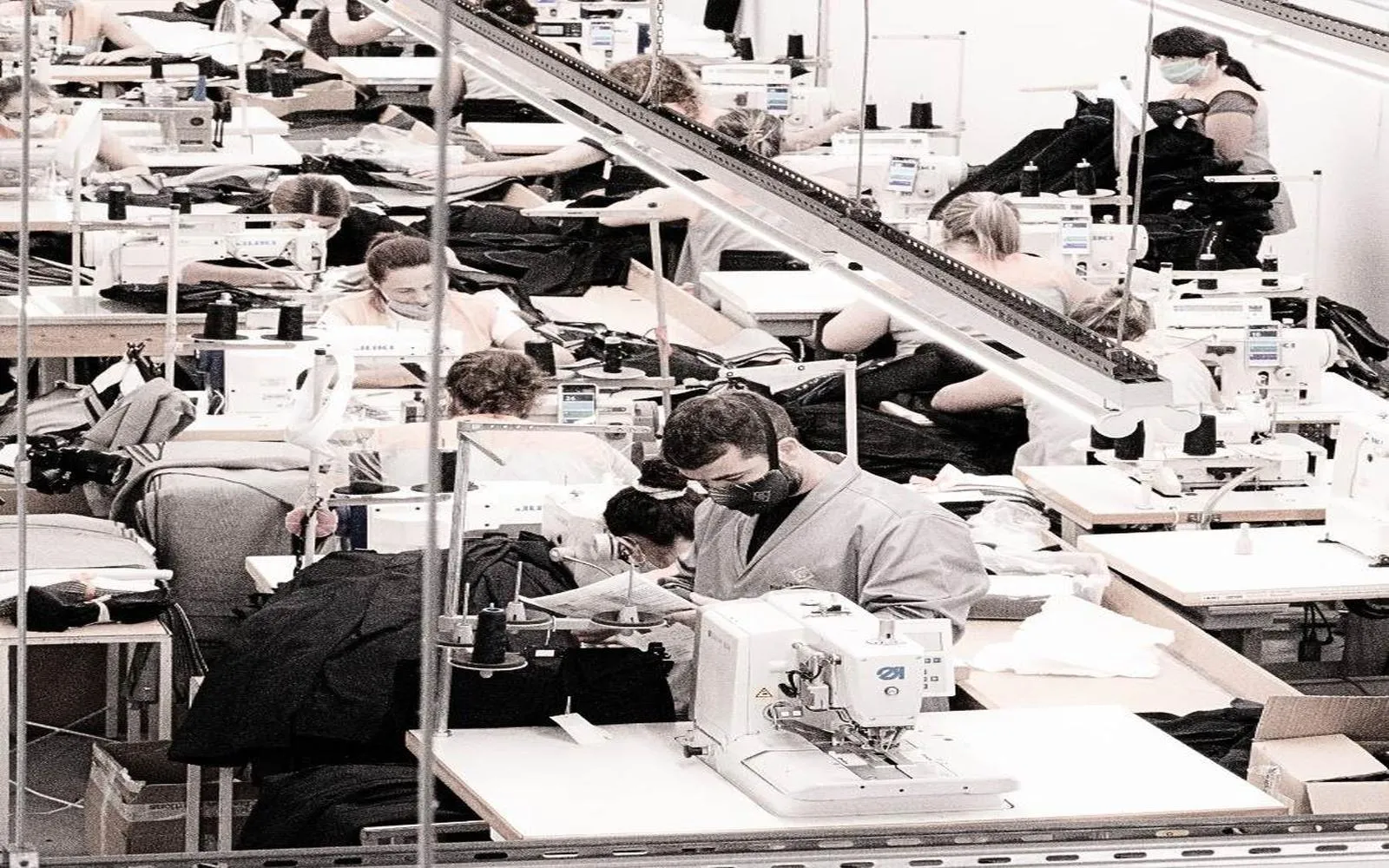
The fashion industry is undergoing a transformative evolution driven by innovative clothing manufacturers who prioritize sustainability, technological advancement, and ethical sourcing. Consumers today are more concerned than ever about environmental impact and ethical practices, fueling a shift toward eco-friendly and socially responsible apparel. This comprehensive exploration examines how these forward-thinking manufacturers are employing new techniques, sustainable materials, and advanced technologies to redefine clothing production. It also highlights their role in shaping future trends, promoting personalization, and fostering a responsible fashion ecosystem that benefits both consumers and the planet.
The Shift Toward Eco-Conscious Fashion
One of the most significant developments within the apparel sector is the concerted move toward sustainability. Manufacturers are increasingly adopting environmentally responsible processes, utilizing sustainable raw materials, and implementing waste reduction strategies. This shift aligns with the rising consumer demand for ethical and eco-friendly clothing options, encouraging brands to innovate beyond traditional methods.
Eco-friendly fabrics have become mainstream, with organic cotton, recycled polyester, Tencel, and fabrics derived from algae and botanical sources gaining popularity. These materials are not only less harmful to the environment but also often offer superior durability and comfort. Companies are also exploring bio-fabrics made from pineapple leaves, mushroom mycelium, and other innovative plant-based fibers that exemplify sustainability and biodegradability.
Beyond materials, circular fashion principles have gained substantial ground. Designers are creating garments designed for longevity, recyclability, and reusability, fostering a closed-loop system where products are reintroduced into the supply chain at the end of their lifecycle. Take-back schemes, recycling programs, and biodegradable packaging are standard practices among progressive manufacturers, significantly reducing waste and pollution associated with fashion production.
Harnessing Technology for Smarter Manufacturing
Technology is revolutionizing apparel manufacturing, bringing unprecedented precision, efficiency, and sustainability. From mass customization to automation, cutting-edge tools are reshaping how clothing is made.
3D printing technology allows designers to prototype quickly and create complex, high-quality garments with minimal waste. This method eliminates the need for excess fabric and allows for intricate detailing that previously required multiple labor-intensive steps. Fast prototyping accelerates time-to-market, enabling brands to respond swiftly to emerging trends.
Automation, including robotic cutting and sewing machines, enhances production speed and accuracy, reducing human error and waste. These automated systems can work tirelessly, maintaining high quality standards while optimizing material usage.
Artificial intelligence (AI) and data analytics are increasingly integral to modern manufacturing. AI-driven trend prediction tools analyze vast amounts of consumer data to forecast future demands, allowing manufacturers to produce only what is necessary. This demand-driven approach minimizes overproduction and inventory surplus, leading to sustainable supply chains.
Advanced CAD (computer-aided design) systems streamline the design process, enabling quick adjustments and iterations, fostering innovation, and allowing brands to meet diverse consumer preferences efficiently.
Upholding Ethical and Transparent Sourcing
Ethical practices and transparency have become non-negotiable pillars of responsible manufacturing. Consumers are demanding clarity about where and how their clothing is produced, leading manufacturers to prioritize fair labor policies and supply chain transparency.
Many innovative brands partner exclusively with factories that uphold fair wages, safe working conditions, and workers’ rights. Ethical sourcing extends beyond labor issues to include environmentally responsible practices at every stage of production.
Blockchain technology and digital traceability solutions are enabling brands to verify and communicate the origins of their materials and manufacturing processes. This heightened transparency fosters trust and accountability, encouraging consumers to support brands dedicated to ethical practices.
Personalized Fashion and Consumer-Centric Design
The modern consumer values uniqueness and individual expression, prompting manufacturers to offer customization options. Technology-driven solutions such as digital fittings, bespoke tailoring, and on-demand manufacturing allow customers to personalize garments to their exact preferences in color, fit, and design.
Personalization reduces excess inventory, as products are made only when ordered. This approach not only minimizes waste but also enhances customer satisfaction by delivering tailored experiences that reflect personal style.
Moreover, the rise of 3D body scanning and virtual try-on tools has revolutionized the shopping experience, making customization seamless and accessible. Brands leveraging these innovations attract a loyal customer base seeking distinctive fashion items.
This Is the Future: A Holistic Approach to Fashion Manufacturing
The future landscape of clothing manufacturing hinges on the integration of sustainable practices, technological advances, and ethical governance. Industry leaders are increasingly collaborating across sectors, sharing resources, and developing collective solutions to global challenges.
Cross-industry partnerships can facilitate shared infrastructure, reduce costs, and promote scalable sustainability initiatives. Collective purchasing and joint marketing efforts amplify their impact, encouraging wider adoption of innovative and eco-friendly practices across the industry.
Emerging technologies such as biofabrication, digital twins, and AI-driven supply chain management will continue to push the boundaries of what is possible in fashion manufacturing. These advancements will foster resilient, responsible, and highly adaptive fashion ecosystems capable of meeting the demands of future generations.
Concluding Reflections
Peeling back the layers of innovative clothing manufacturing reveals a sector driven by purpose, ingenuity, and responsibility. From eco-conscious materials to cutting-edge manufacturing techniques and transparent supply chains, these brands are reshaping fashion into a more sustainable and ethical industry.
The ongoing commitment to innovation ensures that fashion can evolve into a global force for good, balancing aesthetics, consumer desires, and environmental considerations. With a collaborative spirit and relentless pursuit of progress, the future of clothing production promises a more inclusive, sustainable, and inspiring fashion landscape for all.