
Strategic Approaches to Enhancing Employee Loyalty and Reducing Turnover
Discover comprehensive strategies to improve employee retention through engagement, culture, compensation, development, and recognition. Learn how fostering a supportive environment and open communication can reduce turnover rates and build a loyal, motivated workforce. Explore innovative techniques to create a thriving workplace that attracts and retains top talent, ensuring your organization's sustained success.
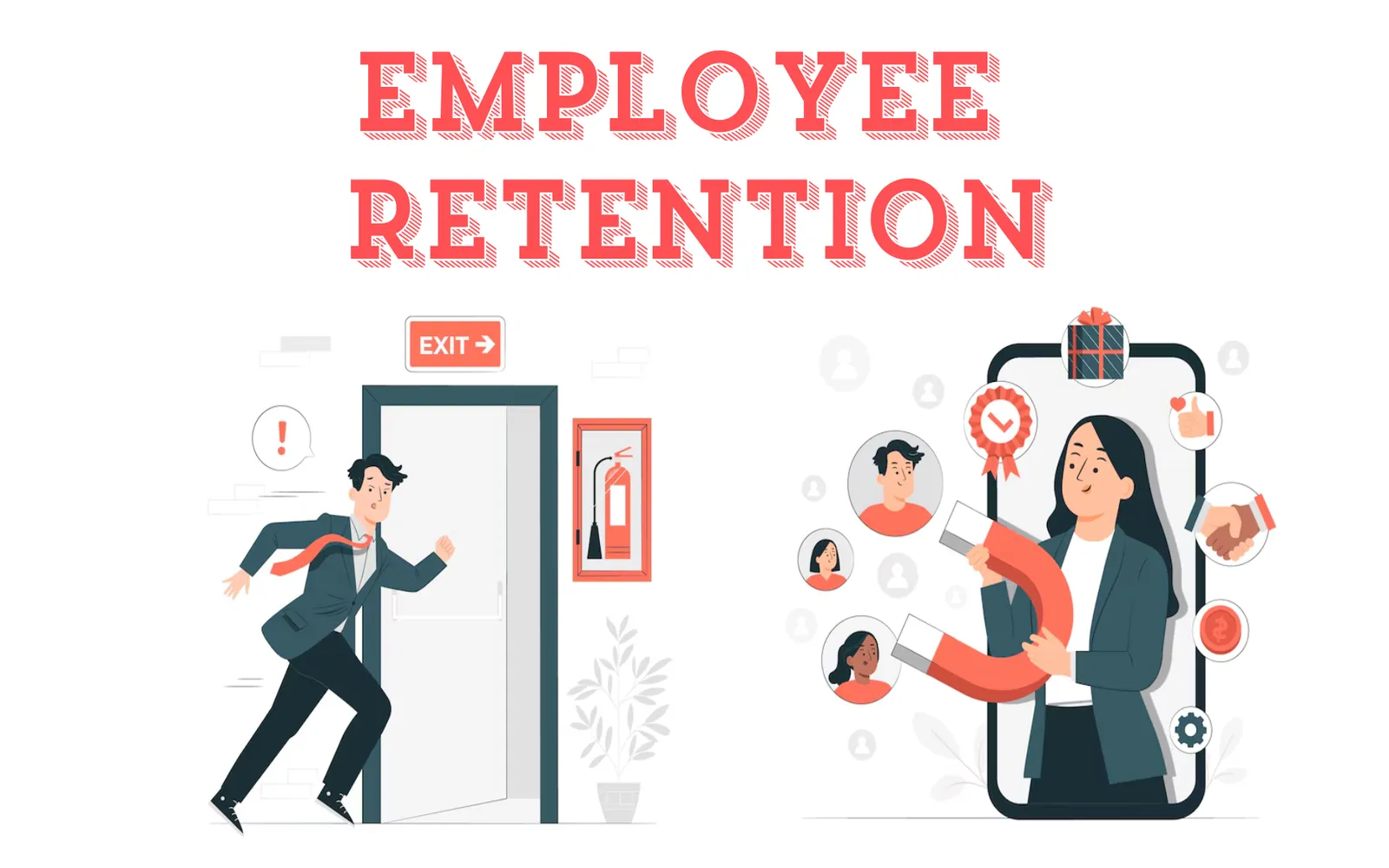
Comprehending the Significance of Staff Retention
In the modern business landscape, employee retention has become a cornerstone of sustainable success. High turnover rates can impose substantial financial burdens, increase recruitment costs, and disrupt organizational flow. Beyond financial implications, losing experienced team members erodes institutional knowledge and hampers morale. Therefore, developing comprehensive, innovative retention strategies is crucial for maintaining a resilient and motivated workforce. Grasping the core factors influencing employee satisfaction—such as work environment, recognition, growth opportunities, and compensation—is fundamental to crafting effective retention policies.
The Role of Employee Engagement in Retention
Employee engagement remains one of the most influential factors impacting retention rates. Engaged employees tend to be more productive, invested, and loyal to their organizations. Cultivating a culture where workers feel genuinely valued, heard, and connected to the company's mission fosters loyalty. Regular feedback sessions, acknowledgment of achievements, and pathways for career progression contribute to heightened engagement. Implementing structured performance evaluations and interactive communication channels ensures employees feel recognized and motivated to stay committed to their roles and the organization’s vision.
Creating channels for employees to share ideas or concerns promotes a sense of inclusion and trust. When staff members see their opinions valued and acted upon, their emotional investment deepens, reducing their likelihood to seek employment elsewhere. Engagement initiatives can include mentorship programs, quarterly town halls, or employee surveys that solicit honest feedback, fostering a transparent and responsive work environment.
Cultivating a Supportive and Inclusive Company Culture
A positive organizational culture profoundly influences employee retention. Companies that nurture inclusivity, mutual respect, and collaboration tend to attract and retain top talent more effectively. Establishing core values centered on diversity, equity, and respect creates a welcoming atmosphere where employees feel safe and appreciated. A dynamic environment where teamwork and open communication thrive enhances overall job satisfaction.
Practical steps include facilitating team-building activities that promote trust and camaraderie, such as retreats, social outings, or collaborative projects. These activities help break down silos, improve interdepartmental relationships, and foster a unified company identity. Embracing diversity initiatives and inclusive policies further strengthen the sense of belonging, which directly correlates with employee satisfaction and retention.
Competitive Compensation and Comprehensive Benefits Packages
While organizational culture and engagement strategies are vital, remuneration remains a critical component of employee retention. Regular market analysis ensures wages and benefits are competitive within the industry landscape. Offering competitive salaries, comprehensive health insurance, retirement plans, and additional perks like wellness programs or incentives can significantly influence an employee’s decision to stay.
Furthermore, adapting to current workforce priorities, such as flexible working arrangements, remote options, and adaptable schedules, enhances work-life balance and loyalty. Recognizing that employees value flexibility as highly as compensation helps organizations tailor their offerings to meet evolving expectations, thereby reducing turnover and fostering long-term commitment.
Facilitating Growth Through Professional Development
Investments in professional advancement are powerful retention tools. Employees are more likely to remain with organizations that demonstrate a genuine commitment to their growth. Providing ongoing training, mentorship opportunities, leadership development programs, and tuition reimbursement options empowers staff to acquire new skills and pursue career goals.
Additionally, establishing clear pathways for career advancement within the company reinforces loyalty. Promoting internally whenever possible signals that employee success is valued and achievable, which encourages long-term retention. Regularly updating development plans and offering cross-training opportunities help staff feel engaged and confident in their future within the organization.
The Impact of Recognition and Appreciation
Recognition is a powerful motivator that enhances employee loyalty. When workers feel genuinely appreciated for their contributions, their job satisfaction increases, leading to higher retention rates. Recognition programs can be as simple as verbal acknowledgments during meetings, as structured as Employee of the Month programs, or as elaborate as awards ceremonies.
Peer-to-peer recognition initiatives foster a collaborative environment and strengthen team bonds. Encouraging colleagues to acknowledge each other’s efforts nurtures respect and camaraderie, which are critical for a positive work environment. Authentic and specific recognition has a lasting impact, reinforcing desired behaviors and motivating continued excellence.
Creating a Culture of Transparent Communication
Open and honest communication is essential for building trust and minimizing misunderstandings. Organizations should cultivate an environment where employees feel comfortable expressing opinions, raising concerns, and providing feedback. Regular check-ins, anonymous surveys, and suggestion channels are effective tools for gauging employee sentiment.
Transparent leadership regarding company goals, challenges, and strategic directions fosters a sense of inclusion and shared purpose. When employees are informed and involved, their allegiance to the organization strengthens, leading to higher retention. Consistent two-way communication ensures issues are addressed proactively, and employees remain engaged and committed to the company's success.
Implementing Strategic Initiatives for Long-term Retention
Achieving sustainable employee retention requires a multi-pronged approach that integrates engagement, culture, compensation, development, recognition, and communication. Organizations should develop tailored retention plans aligned with their unique workforce needs and industry standards. Emphasizing innovation in all these areas can result in a more motivated, loyal, and high-performing team.
Additionally, regularly reviewing and refining retention strategies based on feedback and changing trends ensures they remain effective. Ultimately, fostering a workplace environment that values employees' holistic needs not only reduces turnover but also propels organizations toward long-term excellence and growth. By prioritizing employee well-being, growth, and recognition, companies can unlock their workforce’s full potential and secure a competitive advantage in their industry.