
2025's Most Effective Forecasting Technologies for Smarter Business Planning
In 2025, advanced forecasting tools are transforming how businesses plan and adapt. This comprehensive guide explores top solutions like Microsoft Azure ML, Tableau, IBM Planning Analytics, and SAP Analytics Cloud, emphasizing their features, benefits, and role in strategic decision-making. Learn how these platforms leverage AI, data integration, and scenario analysis to provide accurate insights, helping organizations stay competitive in a rapidly evolving market. Embrace the future of business forecasting with these powerful technologies to unlock new growth opportunities and operational efficiencies.
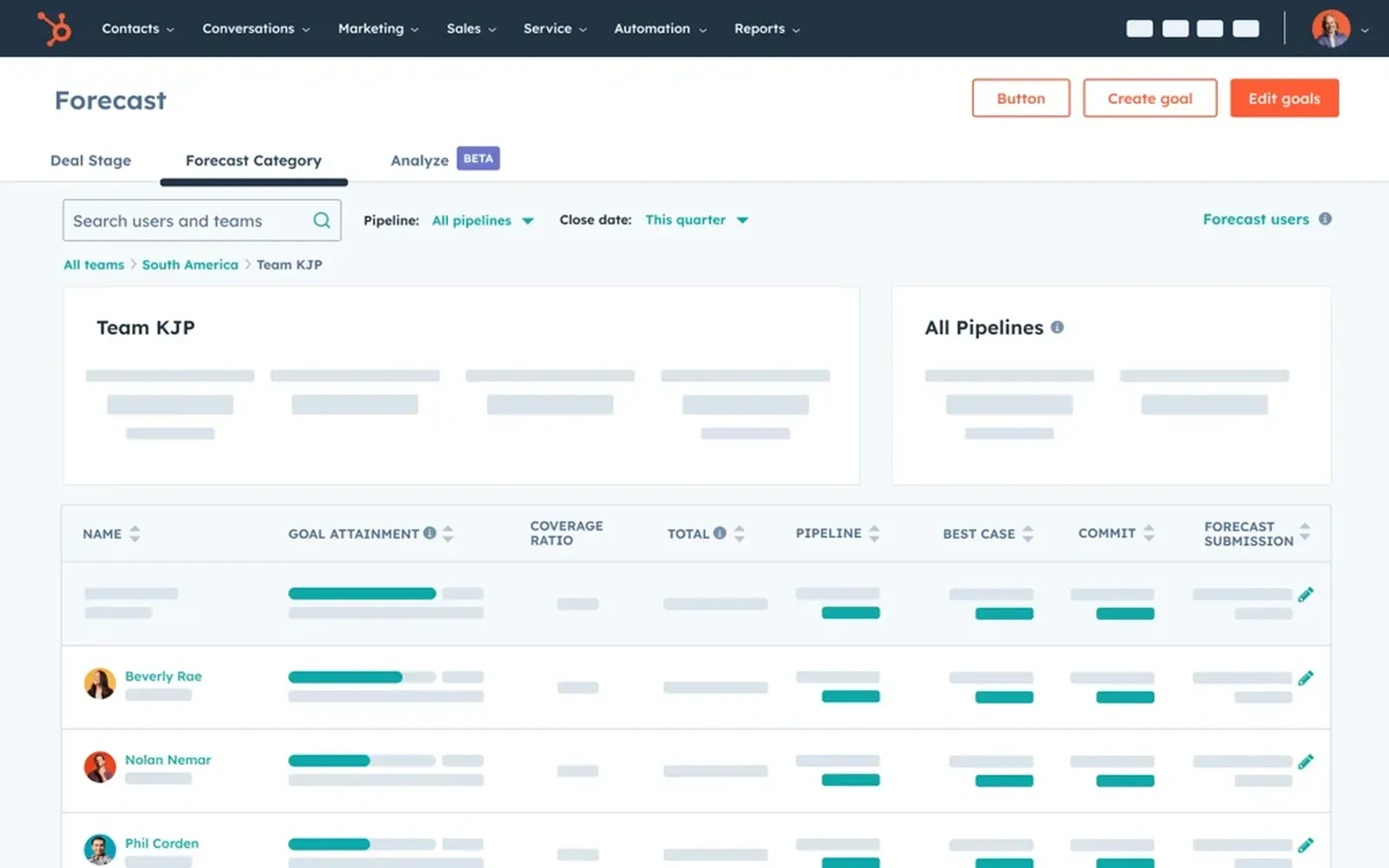
In today’s fast-paced digital economy, the importance of precise and reliable forecasting tools cannot be overstated. As we move deeper into 2025, businesses across industries are adopting innovative solutions to anticipate market shifts, understand consumer trends, and streamline operations effectively. This comprehensive guide explores the leading forecasting technologies that have proven their worth in 2025, discussing their features, advantages, and ways they can transform your business strategy.
The Critical Role of Accurate Business Forecasting
Forecasting serves as the backbone of strategic planning, enabling organizations to predict future scenarios and make proactive decisions. Accurate forecasts help optimize resource allocation, manage inventory efficiently, enhance customer engagement, and reduce operational risks. With rapid technological advancements, the landscape of forecasting tools has expanded, offering more sophisticated and accurate solutions than ever before. In 2025, choosing the right tools means harnessing cutting-edge features like artificial intelligence, real-time data integration, and advanced analytics to stay ahead in competitive markets.
Core Attributes of Superior Forecasting Solutions
When evaluating forecasting platforms, organizations should pay attention to several key features that determine effectiveness:
- Holistic Data Integration: The ability to seamlessly combine data from multiple sources—including sales records, marketing insights, financial reports, and customer feedback—is crucial for comprehensive analysis.
- Deep Learning & Machine Intelligence: Advanced algorithms that learn from new data inputs, refining predictions over time, improve forecast accuracy and adaptability.
- Intuitive User Experience: Platforms should offer straightforward interfaces that cater to users with diverse technical backgrounds, facilitating easy data visualization and report generation.
- Collaboration & Sharing Capabilities: Effective tools support team collaboration, allowing multiple stakeholders to access, comment, and refine forecasts collaboratively.
- Scenario Simulation & What-If Analysis: The ability to model various hypothetical situations helps organizations evaluate potential risks and opportunities before making decisions.
The Top Forecasting Platforms for 2025
Below, we detail some of the most prominent forecasting tools that have gained popularity in 2025, each distinguished by innovative features and proven performance:
1. Microsoft Azure Machine Learning
Microsoft Azure Machine Learning stands out as a premier cloud-based platform, offering comprehensive forecasting capabilities powered by next-generation machine learning algorithms. It enables businesses to analyze historical data and forecast future trends with high accuracy. The platform’s user interface is designed for ease of use, supporting both seasoned data scientists and business analysts. Its seamless integration with Microsoft Office suite and other Azure services facilitates cross-team collaboration and accelerates deployment of predictive models.
2. Tableau
While primarily celebrated for its robust data visualization features, Tableau also delivers effective forecasting tools. With built-in trend lines and predictive analytics, users can easily identify patterns and project future outcomes. Its interactive dashboards promote intuitive exploration of complex datasets, empowering teams to make data-driven decisions quickly. Tableau’s ability to combine visual analytics with forecasting makes it an essential tool for organizations aiming to communicate insights compellingly.
3. IBM Planning Analytics
IBM Planning Analytics specializes in integrating planning, budgeting, and forecasting into a single unified platform. Utilizing artificial intelligence and machine learning, it offers precise predictions based on real-time data. The solution’s scenario planning feature allows users to simulate multiple market conditions and assess possible impacts, enabling agile strategic adjustments. Its comprehensive approach makes it suitable for large enterprises seeking integrated planning capabilities.
4. SAP Analytics Cloud
SAP Analytics Cloud combines traditional analytics with innovative predictive capabilities. It provides sophisticated data modeling, visualization, and machine learning tools, all accessible through an intuitive interface. Collaboration is seamless within the platform, allowing teams across departments to align their efforts and derive actionable insights. SAP’s integrated approach ensures organizations can develop coherent strategies based on accurate forecasts and data-driven intelligence.
Comparative Overview of Leading Forecasting Solutions
The table below compares these top tools based on their core functionalities:
- Data Integration
- Machine Learning & AI
- Ease of Use
- Team Collaboration
- Scenario Planning
| Tool | Data Integration | Machine Learning | User-Friendly Interface | Collaboration | Scenario Analysis |
|---|---|---|---|---|---|
| Microsoft Azure ML | Yes | Yes | Yes | Yes | Yes |
| Tableau | Yes | Limited | Yes | Yes | No |
| IBM Planning Analytics | Yes | Yes | Yes | Yes | Yes |
| SAP Analytics Cloud | Yes | Yes | Yes | Yes | Yes |
Final Thoughts: Embracing Advanced Forecasting Technologies
As markets become more volatile and customer expectations grow, leveraging advanced forecasting tools has become an essential part of strategic planning. In 2025, platforms like Microsoft Azure Machine Learning, Tableau, IBM Planning Analytics, and SAP Analytics Cloud are at the forefront of delivering actionable insights. These solutions empower organizations to not only predict future trends but also to devise agile responses to a rapidly changing environment. By investing in these innovative technologies, businesses can foster resilience, improve operational efficiency, and maximize growth potential. Staying ahead requires adopting the most sophisticated and reliable forecasting tools available today, setting a strong foundation for tomorrow’s success.