
Comprehensive Guide to Gas Line Installation: Ensuring Safety and Efficiency
This comprehensive guide explores the essential steps, safety considerations, and costs involved in installing a gas line. From planning and material selection to pressure testing and final inspection, learn how to ensure a safe, compliant, and durable gas supply system for your home. Hiring licensed professionals and following local regulations are emphasized for long-term safety and efficiency. Regular maintenance will keep your gas system functioning reliably, helping homeowners avoid potential hazards and costly repairs.
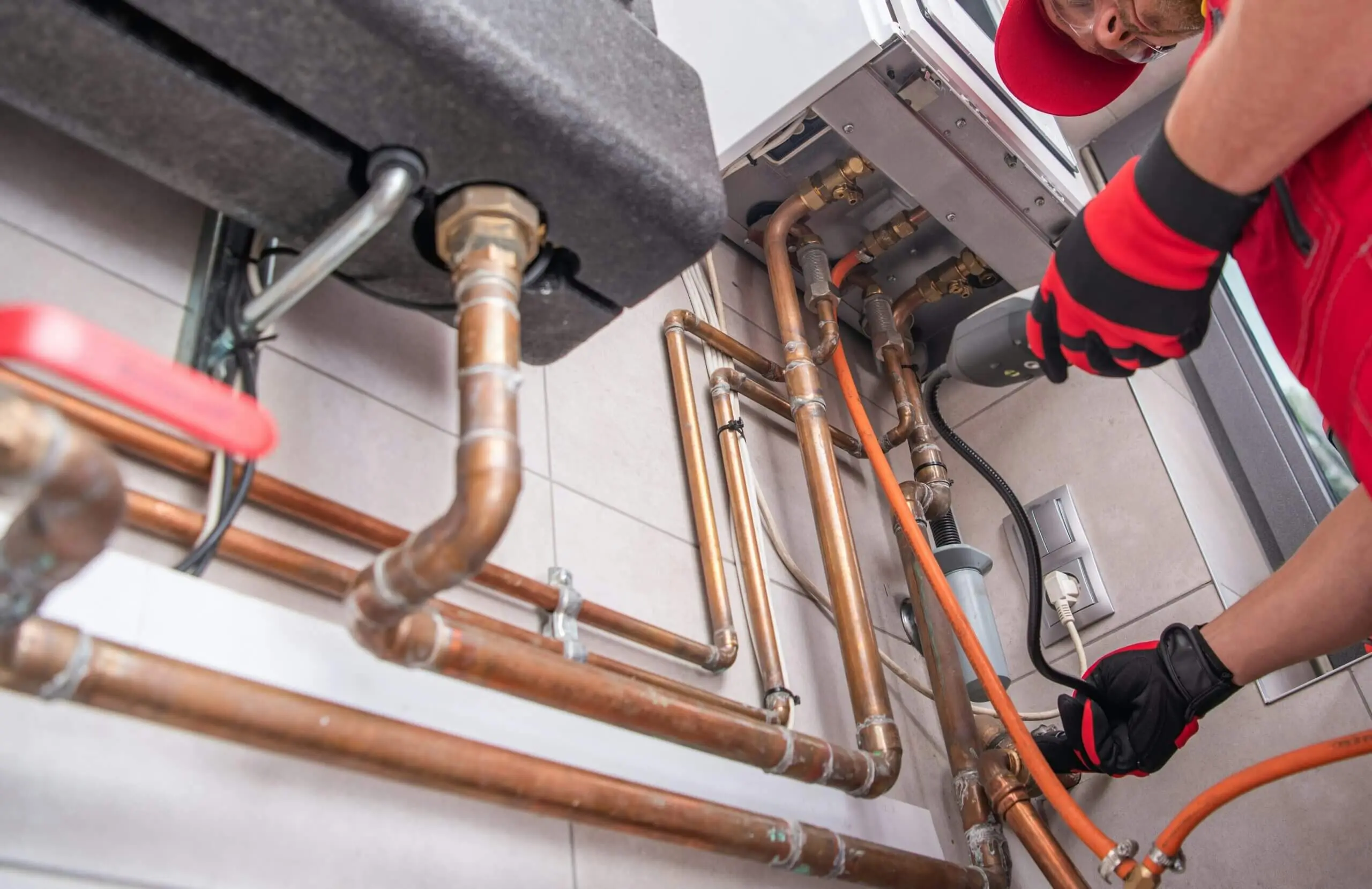
In-Depth Overview of Gas Line Installation Procedures
Connecting a property to a natural gas supply involves meticulous planning and execution. Gas line installation is a critical process that requires precision, adherence to safety standards, and compliance with local regulations. This extensive guide walks you through each step involved in installing a gas line, from initial planning to final inspections, highlighting best practices and common pitfalls to avoid. Whether you're a homeowner considering a DIY project or a professional seeking refresher information, understanding the nuances of gas line installation is essential for a safe and efficient setup.
Gas lines serve as the backbone for various household appliances such as furnaces, water heaters, stoves, and clothes dryers. Proper installation ensures these appliances operate safely and efficiently, minimizing risks like leaks, explosions, or carbon monoxide poisoning. The process involves multiple phases, including legal permits, material selection, excavation, pipe laying, testing, and connection. Each step is critical for long-term durability and safety.
Step-by-Step Breakdown of Gas Line Installation
1. Strategic Planning and Permits
Before any physical work begins, comprehensive planning is vital. This phase involves designing the route of the gas line, taking into consideration existing infrastructure, accessibility, and potential environmental obstacles. Consulting local building codes and safety standards is mandatory to ensure compliance. Securing permits from local authorities is the next step. Permits serve as legal approval, confirming that your plans adhere to safety regulations and zoning laws. Skipping this process can lead to hefty fines, mandated removal of the installed line, or even legal liabilities in case of accidents.
2. Selecting Appropriate Materials
Choosing the right materials for your gas line is crucial. Common options include steel, copper, and flexible polyethylene piping. Steel pipes are renowned for durability and strength but are more challenging to work with and costlier. Copper offers excellent corrosion resistance and flexibility but may not be suitable for outdoor exposure without proper coating. Polyethylene pipes are lightweight, flexible, and cost-effective, especially for outdoor installations, but their use must align with local building codes. Each material's advantages and disadvantages in terms of longevity, flexibility, safety, cost, and ease of installation should be carefully weighed based on your specific needs and conditions.
3. Excavation and Trenching
Outdoor gas line installation typically requires digging trenches to lay the pipelines underground. The depth and width of these trenches are dictated by legal standards to prevent damage from surface activity and to maintain safety. Proper trenching reduces the risk of pipe displacement and future environmental damage. For indoor installations, modifications involve cutting into walls or floors to embed piping securely. During excavation, safety precautions such as marking utility lines and using protective gear are essential to prevent injuries and damage to existing infrastructure.
4. Laying the Gas Pipe
Once the trench or designated pathway is prepared, installation proceeds with laying the piping system. Accurate placement and alignment are crucial to avoid stress on joints and fittings. Using suitable connectors, fittings, and supports prevents leaks and ensures tight seals. It is vital to verify that the piping system is straight, properly supported, and free of obstructions. During this step, inspecting all connections for integrity helps prevent future issues. For underground pipes, backfilling is done carefully to avoid damaging or displacing the installed pipes.
5. Conducting Pressure Testing
Pressure testing validates the integrity of the installed gas line. This process involves sealing the pipeline and pressurizing it from either air or an inert gas such as nitrogen. Monitoring pressure levels over time helps identify leaks or weak points. Any pressure loss indicates potential leaks requiring immediate attention and repair. This step is crucial in guaranteeing that the pipeline is airtight before connecting appliances and using the gas supply. Only after passing this test can the installation proceed to the next phase with confidence in its safety.
6. Connecting to Household Appliances
After successful pressure testing, the gas line interfaces with appliances such as furnaces, water heaters, stoves, and dryers. Connections should be meticulously sealed with appropriate fittings and tested again to confirm there are no leaks. Proper anchoring and support of the piping ensure stability during operation. Each connection point should be revisited periodically for safety. Installing flexible connectors where appropriate helps accommodate expansion and contraction, reducing stress on joints and fittings.
7. Final Compliance Inspection
Before the system is fully operational, a thorough inspection by licensed professionals or local authorities is mandatory. This inspection verifies that all installation steps conform to safety standards, codes, and regulations. The inspector checks for proper fittings, correct trenching depth, secure connections, and successful leak tests. Only after passing this inspection can the gas supply be turned on, and appliances be used. This step is paramount to ensure long-term safety and avoid potential hazards associated with improper installation.
Vital Safety Measures in Gas Line Installation
Handling natural gas installations requires strict adherence to safety protocols. Here are essential safety precautions:
- Engage Licensed Professionals: Given the inherent risks, hiring certified and experienced technicians for gas line installation is non-negotiable. DIY attempts can lead to dangerous leaks or explosions resulting from improper handling.
- Compliance with Codes and Regulations: Every step must align with the latest local and national safety standards—ignoring these rules can result in severe legal and safety consequences.
- Use of High-Quality Materials: Investing in certified, durable materials ensures leak resistance and longevity of the gas infrastructure.
- Routine Maintenance and Inspections: Post-installation, regular inspections help detect early signs of deterioration or leaks, maintaining safety over the lifespan of the system.
Understanding the Cost Factors for Gas Line Installation
The overall expense of installing a gas line varies based on multiple elements:
- Line Length and Complexity: Longer and more intricate paths require additional materials and labor, increasing costs.
- Material Selection: Material type impacts expenses significantly, with polyethylene being more affordable than steel or copper for outdoor lines.
- Labor Charges: The complexity of the installation, accessibility, and local wage scales influence labor costs.
- Permitting and Inspection Fees: Securing permits and passing inspections incur additional charges that vary by region.
On average, homeowners spend approximately $700 to $2,500 for complete gas line installation, with some complex projects costing more depending on site conditions and requirements.
Final Thoughts on Gas Line Installation
Installing a gas line is a significant undertaking that demands thorough planning, skilled execution, and ongoing maintenance. A safe and reliable system not only ensures efficient operation of household appliances but also protects your family from potential hazards. Always prioritize working with licensed professionals and adhere strictly to local codes. Regular inspections and maintenance will safeguard your investment for years to come, providing peace of mind and continued safety in your home.