
Comprehensive Guide to Choosing the Perfect Supplement Manufacturing Partner for Your Brand
Selecting the ideal supplement manufacturer is key to your brand’s success. This comprehensive guide walks you through crucial steps—defining product needs, assessing quality and capabilities, and building reliable partnerships. By prioritizing transparency, certifications, and performance, you can find a manufacturing partner that aligns with your vision and ensures high-quality, compliant supplements. Investing time in proper evaluation helps establish a strong foundation for growth and brand reputation in the competitive wellness industry, ultimately leading to sustained success and customer loyalty.
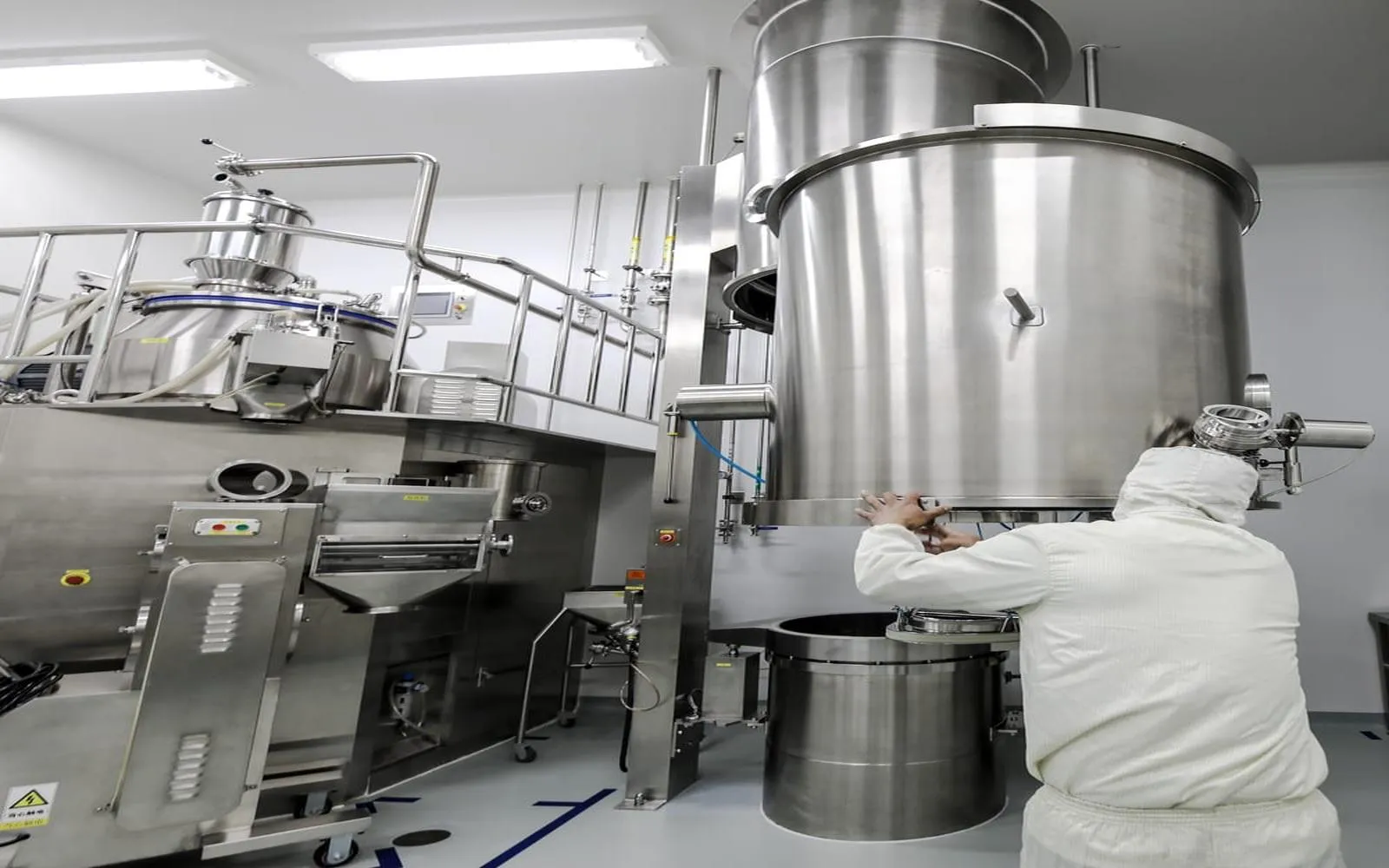
Partnering with a reliable supplement manufacturing company is essential for brands aiming to succeed in the competitive health and wellness industry. The quality and safety of your products directly influence your reputation, customer satisfaction, and market growth. Finding the right manufacturer requires thorough research and strategic evaluation. This detailed guide provides key insights and practical tips to help you select the most suitable supplement manufacturer that aligns with your brand's vision, quality standards, and production needs.
1. Clarify Your Product Specifications
Before initiating your search, clearly define the scope and specifics of your supplement products. Determine whether you want to formulate vitamins, minerals, herbal extracts, protein powders, or other functional supplements. Understanding your product type influences the manufacturing process, regulatory compliance, and quality control measures necessary. Establish detailed formulations, ingredients, target dosages, and packaging preferences at this stage to streamline communication with potential manufacturers.
2. Conduct In-Depth Research of Manufacturing Options
With a well-defined product scope, begin exploring manufacturing companies that specialize in your chosen category. Use industry directories, attend trade shows, and browse online marketplaces to compile a list of reputable manufacturers. Review their websites for insights into their expertise, client portfolio, and certifications. Networking with industry peers can also provide recommendations on reliable manufacturing partners. Remember that choosing a company with proven experience in your product category is crucial for quality and compliance.
3. Assess Quality Management Systems and Certifications
Quality assurance is the cornerstone of successful supplement manufacturing. Verify that potential partners adhere to Good Manufacturing Practices (GMP), which ensure consistent quality and safety standards. Certifications such as NSF International, ISO 9001, or Organic certifications indicate a commitment to maintaining high manufacturing standards. Request documentation and audit reports to validate their compliance. A top-tier manufacturer will have strict quality control procedures at every step, from raw material sourcing to final packaging.
4. Examine Transparency and Regulatory Compliance
Trustworthiness and transparency are vital when selecting a manufacturing partner. Ask detailed questions about raw material sourcing, testing protocols, and regulatory adherence. A reputable manufacturer should willingly share Certificate of Analysis (COA) reports, sourcing information, and production documentation. Confirm their compliance with regional and international regulations such as FDA, EFSA, or Health Canada to avoid legal issues and ensure market access for your products.
5. Verify Production Capabilities and Infrastructure
Evaluate the manufacturing facility’s equipment, technology, and capacity to determine if they can handle your current and projected production volumes. Advanced machinery and modern technology enable efficient and precise formulation, filling, and packaging processes. Ensure their infrastructure supports quality control measures, such as environmental controls and cleanroom environments, to prevent contamination. A flexible manufacturer should also be able to accommodate custom formulations, small batch runs, or large-scale production as your brand grows.
6. Consider Product Range and Innovation Capacity
Partnering with a manufacturer that offers a diverse array of products and formulations can provide future expansion opportunities. A broad product range indicates expertise in different ingredient combinations, delivery formats, and technological innovations. Such manufacturers can also serve as a source of industry insights, helping you stay ahead of market trends, consumer preferences, and emerging dietary needs.
7. Analyze Cost Structures and Payment Terms
Cost considerations are important but should not compromise quality. Obtain detailed quotes from several manufacturers, including unit prices, setup fees, tooling costs, and potential hidden expenses like shipping or custom development. Evaluate payment terms, lead times, and minimum order quantities. While competitive pricing is desirable, prioritize value over cost, ensuring that quality and service align with your budget. Transparent pricing helps prevent unexpected costs that can impact your profitability.
8. Gather Feedback Through Reviews and Industry Testimonials
Research online reviews, industry forums, and client testimonials to gauge the reputation of potential manufacturing partners. Feedback from other brands can reveal insights into their reliability, communication, and responsiveness. Pay attention to comments regarding product quality, delivery punctuality, and customer service. A manufacturer with positive testimonials is more likely to provide a smooth collaboration experience.
9. Visit Manufacturing Facilities in Person
If feasible, schedule a visit to the manufacturing plant to observe their operations firsthand. During the visit, assess cleanliness, organization, and safety protocols. Meeting the management and production team can foster stronger relationships and clarify communication channels. Observing the workflow and hygiene standards provides confidence in their capacity to produce high-quality products consistently.
10. Cultivate a Strong Partnership
Successful supplement manufacturing depends on building a collaborative relationship with your partner. A manufacturer that values open communication, innovation, and mutual growth aligns better with your long-term goals. Establish clear expectations, regular updates, and quality assurance procedures. A strong partnership can lead to product innovations, cost efficiencies, and better problem resolution, ultimately supporting your brand's success.
Comparison Table: Key Considerations for Selecting a Manufacturer
| Factor | Priority Level | Key Points |
|---|---|---|
| Quality Certifications | High | GMP, NSF, ISO certifications ensure high standards |
| Transparency & Compliance | High | Sourcing, testing, regulatory adherence |
| Manufacturing Capabilities | Medium | Equipment, capacity, adaptability |
| Pricing & Terms | Medium | Cost structure, payment conditions |
| Reputation & Reviews | Medium | Industry reputation, customer feedback |
| Facility Inspection | High | Hygiene, operational efficiency |
Final Thoughts
Choosing the right supplement manufacturer is a pivotal step in establishing and scaling your health and wellness brand. An ideal partner will not only produce compliant, high-quality supplements but also support your innovation and growth ambitions. Conduct comprehensive research, prioritize transparency and quality, and foster a collaborative relationship. Doing so secures a foundation for your brand’s long-term success in the competitive supplement industry. Remember, diligent selection today ensures product excellence and reputation building in the future.