
Comprehensive Guide to Selecting the Ideal Logistics Provider for Your Business
Selecting the ideal logistics provider is essential for efficient supply chain management. From understanding your specific needs to evaluating provider reputation and technological capabilities, this comprehensive guide offers detailed insights to help your business make an informed decision. Proper logistics solutions enhance operational efficiency, reduce costs, and improve customer satisfaction. Conduct thorough research, test services through trial runs, and focus on reliable support to establish a long-lasting and productive logistics partnership tailored to your business goals.
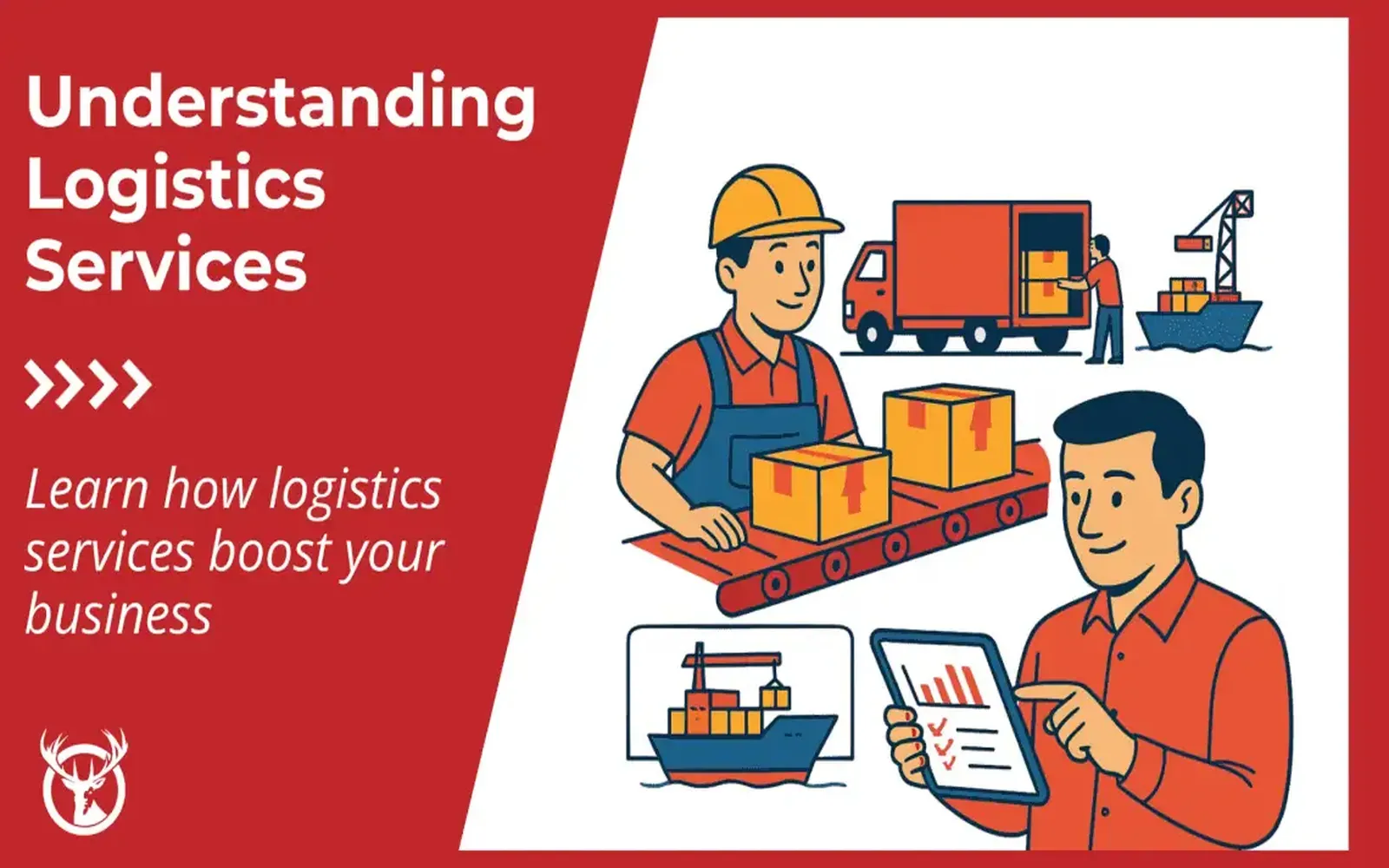
Effective supply chain management hinges on choosing the most suitable logistics partner. With numerous options and providers in the market, making an informed decision is vital for operational efficiency and customer satisfaction. This extensive guide will walk you through essential considerations, from understanding your specific logistics needs to evaluating provider capabilities and reputation, ensuring you select a service that aligns perfectly with your business goals. Enhance your logistics strategy today for improved performance and growth.
Identify and Clarify Your Logistics Needs
The foundational step in selecting an optimal logistics service is a thorough understanding of what your business requires. Analyzing your current operations and future plans helps in pinpointing the right solutions. Consider the following crucial aspects:
- Shipment Volume and Frequency: How much product do you plan to move, and how often? Do you require daily, weekly, or monthly shipments?
- Nature of Goods: Are your products perishable, fragile, or hazardous? Understanding their characteristics influences cargo handling, packaging, and safety standards.
- Required Delivery Times: Is speed a priority? Do you need express, same-day, or standard delivery options? Your urgency levels determine the suitable logistics approach.
- Geographical Scope: Are your shipments local, regional, or international? Regional providers may suffice for local deliveries, while international shipping demands more complex arrangements.
- Special Handling Needs: Do your products require climate control, special storage, or security measures? Identifying these needs ensures proper service selection.
Explore Various Types of Logistics Services
There are diverse logistics solutions tailored to different business requirements. Recognizing which fits your needs is crucial for efficiency and cost-effectiveness. Here’s an overview of major logistics types:
- Third-Party Logistics (3PL): Outsourcing transportation, warehousing, and distribution tasks to a specialized provider can streamline operations and reduce overhead costs. 3PL providers often offer comprehensive solutions, integrating technology and expertise to optimize supply chains.
- Freight Forwarding: These companies act as intermediaries for international shipments, managing documentation, customs clearance, and transportation. They organize the efficient movement of goods across borders, often consolidating shipments for cost savings.
- Courier and Express Delivery Services: Focused on last-mile delivery, these companies handle small parcels and urgent shipments, ensuring products reach customers quickly and reliably. They often provide real-time tracking and flexible delivery options.
- In-House Logistics: Some businesses opt to develop their own logistics infrastructure, which can offer control and customization but requires significant investment and expertise.
Financial Considerations and Budgeting
Cost analysis forms an essential part of choosing the right logistics partner. Finding the right balance between affordability and quality can significantly influence your business stability. Here’s a detailed breakdown of potential costs:
| Service Type | Estimated Cost Range | Important Factors |
|---|---|---|
| Third-Party Logistics (3PL) | Variable based on volume and services provided | Includes warehousing, transportation, inventory management, and value-added services. |
| Freight Forwarding | Approximately 5-15% of shipment value | Cost varies depending on route, volume, and speed of delivery. |
| Last-Mile Delivery | $5 to $20 per package | Faster services or special handling increase costs. |
Technological Integration and Tracking Capabilities
In the digital age, technology is a key driver of logistics efficiency. A dependable logistics provider should offer robust technological tools, such as:
- Real-Time Shipment Tracking: Constant visibility into your shipments’ status helps in planning and managing customer expectations.
- Advanced Inventory Management Systems: Automated systems provide real-time data, reduce errors, and improve stock accuracy.
- Automated Notifications and Alerts: Notifications about shipment milestones, delays, or issues facilitate proactive communication with clients and teams.
- Data Analytics: Insights derived from logistics data support strategic decisions and process improvements.
Researching and Assessing Provider Reputation
Thorough research ensures selecting a reliable partner. Key aspects to evaluate include:
- Customer Feedback and Reviews: Prioritize providers with high ratings for reliability, customer support, and timely deliveries.
- Industry Experience and Track Record: An experienced provider understands your sector’s unique challenges and can offer tailored solutions.
- Certifications, Standards, and Compliance: Compliance with industry regulations and possessing relevant certifications reflect professionalism and reliability.
Customer Support and Service Quality
An efficient logistics provider should offer exceptional customer service. Consider:
- Availability of 24/7 Support: Round-the-clock assistance can resolve urgent issues instantly.
- Dedicated Account Managers: Having a specialized contact streamlines communication and provides personalized assistance.
- Issue Resolution Efficiency: Look for providers with a proven track record of resolving problems quickly and effectively.
Trial Period and Performance Testing
Before committing long-term, it’s wise to conduct a trial run with your shortlisted logistics services. This allows you to assess:
- Service reliability and punctuality
- Communication effectiveness
- Handling of your specific goods and special needs
- Cost efficiency and overall satisfaction
Final Decisions and Long-Term Strategy
Choosing the perfect logistics partner is a strategic decision that can influence many aspects of your business. Transparent evaluation based on your needs, provider reputation, technological capabilities, and service quality leads to the best outcome. Remember, the right partner will help optimize your supply chain, reduce costs, and improve customer experience, giving your business a competitive edge in the marketplace.