
Maximize Your Finances with Nasdaq 100 ETFs: A Comprehensive Investment Guide
Discover how investing in Nasdaq 100 ETFs can be a game-changer for your financial future. This comprehensive guide explores the benefits, risks, and strategies for successful investment. Learn how these ETFs provide diversification, growth potential, and cost advantages, making them ideal for both beginners and seasoned investors. With insights into performance trends and practical steps to get started, unlock the secrets to leveraging Nasdaq 100 ETFs for long-term wealth. Make informed decisions and align your investments with your financial goals today.
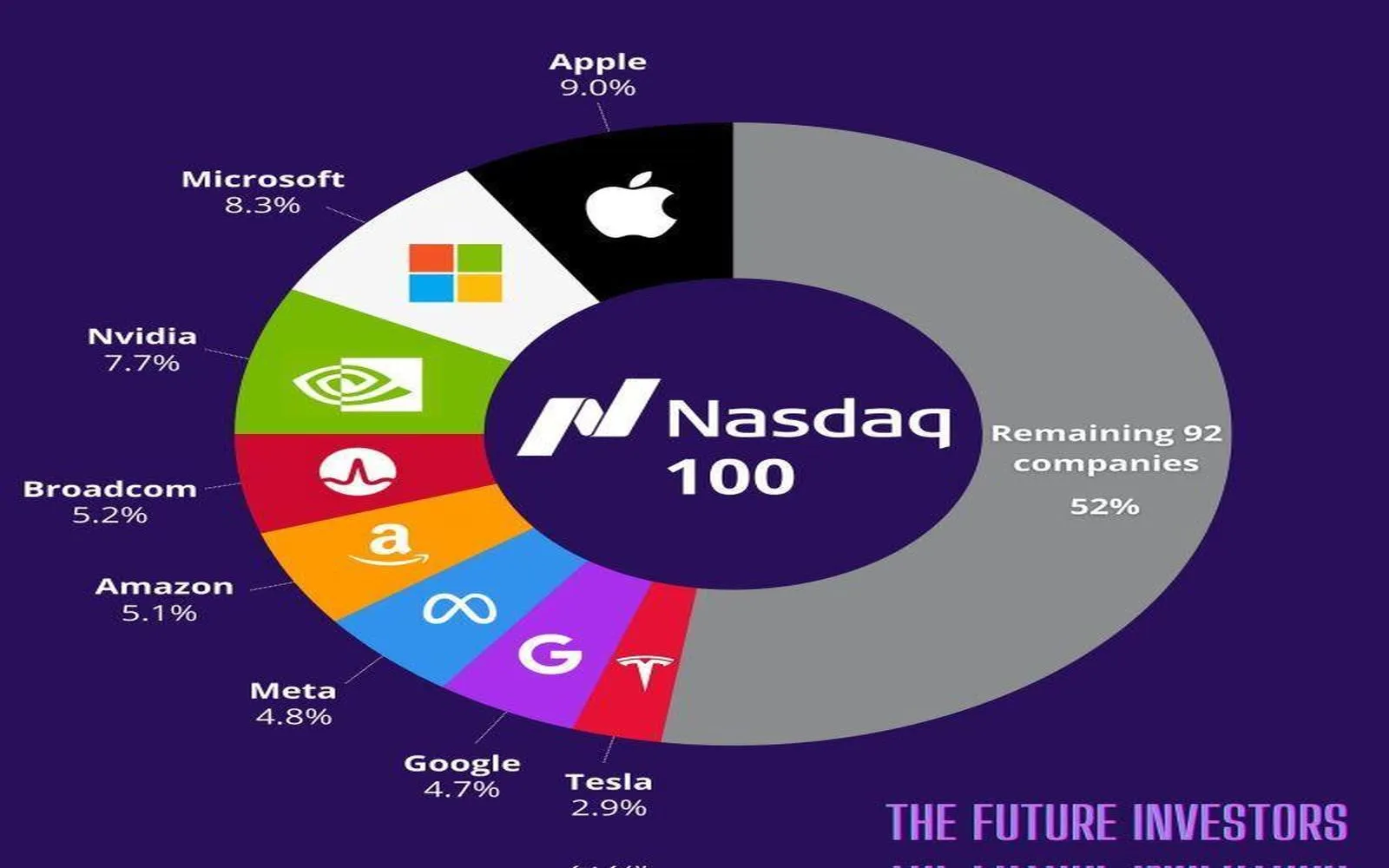
Investing in Nasdaq 100 ETFs has become a favored strategy for both beginner and experienced investors aiming to enhance their financial growth. As technology and innovation sectors expand rapidly, the Nasdaq 100 index encompasses 100 of the largest non-financial firms traded on the Nasdaq stock exchange. These include industry giants in technology, healthcare, retail, and communication services, making Nasdaq 100 ETFs an essential component of diverse investment portfolios.
Understanding Nasdaq 100 ETFs
Nasdaq 100 ETFs are exchange-traded funds that mimic the performance of the Nasdaq 100 index. By investing in these ETFs, investors can obtain exposure to a broad spectrum of top-tier companies within the index without individually purchasing each stock. This approach not only provides diversification but also helps to lower investment risk and enhance potential returns. Some of the most popular ETFs tracking the Nasdaq 100 are the Invesco QQQ Trust and the ProShares Ultra QQQ.
Why Choose Nasdaq 100 ETFs for Your Investment Portfolio?
There are numerous compelling reasons for investors to consider Nasdaq 100 ETFs:
- Broadened Diversification: These ETFs spread investment across multiple sectors, reducing vulnerability associated with individual stock fluctuations.
- High Liquidity: Since ETFs are traded on stock exchanges, they offer high liquidity, enabling investors to buy and sell shares swiftly and efficiently.
- Cost Efficiency: Typically, ETFs come with lower expense ratios compared to mutual funds, making them an economical choice for long-term investors.
- Growth Opportunities: The predominantly technology-driven Nasdaq 100 has historically delivered robust growth, giving investors a chance to capitalize on capital appreciation.
Performance Analysis of Nasdaq 100 ETFs
Historically, the Nasdaq 100 has outperformed several other major indices, highlighting its potential as a powerful investment vehicle. The chart below illustrates the performance trajectory of the Invesco QQQ ETF over the past five years, showcasing exceptional growth compared to the S&P 500 index:
[Insert performance chart comparing Invesco QQQ ETF to S&P 500]
Getting Started with Nasdaq 100 ETFs Investment
If you're interested in adding Nasdaq 100 ETFs to your investment strategy, follow these systematic steps:
- In-depth Research: Study various ETFs available in the market, focusing on factors like expense ratios, historical performance, and the specific companies included in the fund.
- Select a Reliable Brokerage: Choose a reputable online broker that offers seamless access to Nasdaq 100 ETFs, ensuring user-friendly trading platforms and reliable customer service.
- Define Your Financial Goals: Clearly assess your investment objectives, risk tolerance, and time horizon to determine suitable investment amounts and specific ETFs.
- Execute Your Investment: After thorough research and goal-setting, proceed to purchase shares in your chosen Nasdaq 100 ETF.
Potential Risks of Investing in Nasdaq 100 ETFs
While Nasdaq 100 ETFs present promising opportunities, investors must also be aware of associated risks:
- Market Volatility: The technology sector, which heavily influences the Nasdaq 100, can exhibit high volatility, resulting in sharp price swings.
- Sector Concentration Risk: A significant weight of tech stocks means a sector downturn could adversely impact ETF performance.
- Macro-Economic Factors: Changes in interest rates, economic policies, and global economic health can influence the index and related ETFs.
Strategies for Successful Investment in Nasdaq 100 ETFs
To maximize your investment success, consider adopting these proven strategies:
- Stay Informed: Regularly follow news and trends in the technology sector and the broader market to make timely and informed decisions.
- Implement Dollar-Cost Averaging: Invest fixed sums at regular intervals, regardless of market fluctuations, to reduce the impact of volatility over time.
- Review and Rebalance: Periodically assess your portfolio's performance and adjust holdings to maintain your desired asset allocation aligned with your financial goals.
Final Thoughts: Making Nasdaq 100 ETFs a Part of Your Financial Strategy
Investing in Nasdaq 100 ETFs represents a strategic approach to capitalizing on the rapid growth of leading technology and innovative companies. With their potential for substantial returns, cost-efficiency, and diversification advantages, these ETFs are suitable for investors aiming to build a resilient portfolio. However, understanding the specific risks and employing disciplined investment strategies is crucial to maximize your gains and safeguard your investments. Embrace informed decision-making and stay updated with market trends to unlock the full potential of Nasdaq 100 ETFs and achieve your long-term financial ambitions.