
Comprehensive Overview of Spinal Muscular Atrophy (SMA): Symptoms, Early Detection, and Management Strategies
This comprehensive guide explores the symptoms, importance of early diagnosis, and advanced management strategies for Spinal Muscular Atrophy (SMA). It emphasizes early detection, innovative treatments like gene and drug therapies, and supportive care options to improve patient quality of life. Recognizing SMA symptoms early and accessing multidisciplinary management can significantly influence disease progression and prognosis, offering hope for affected individuals and their families.
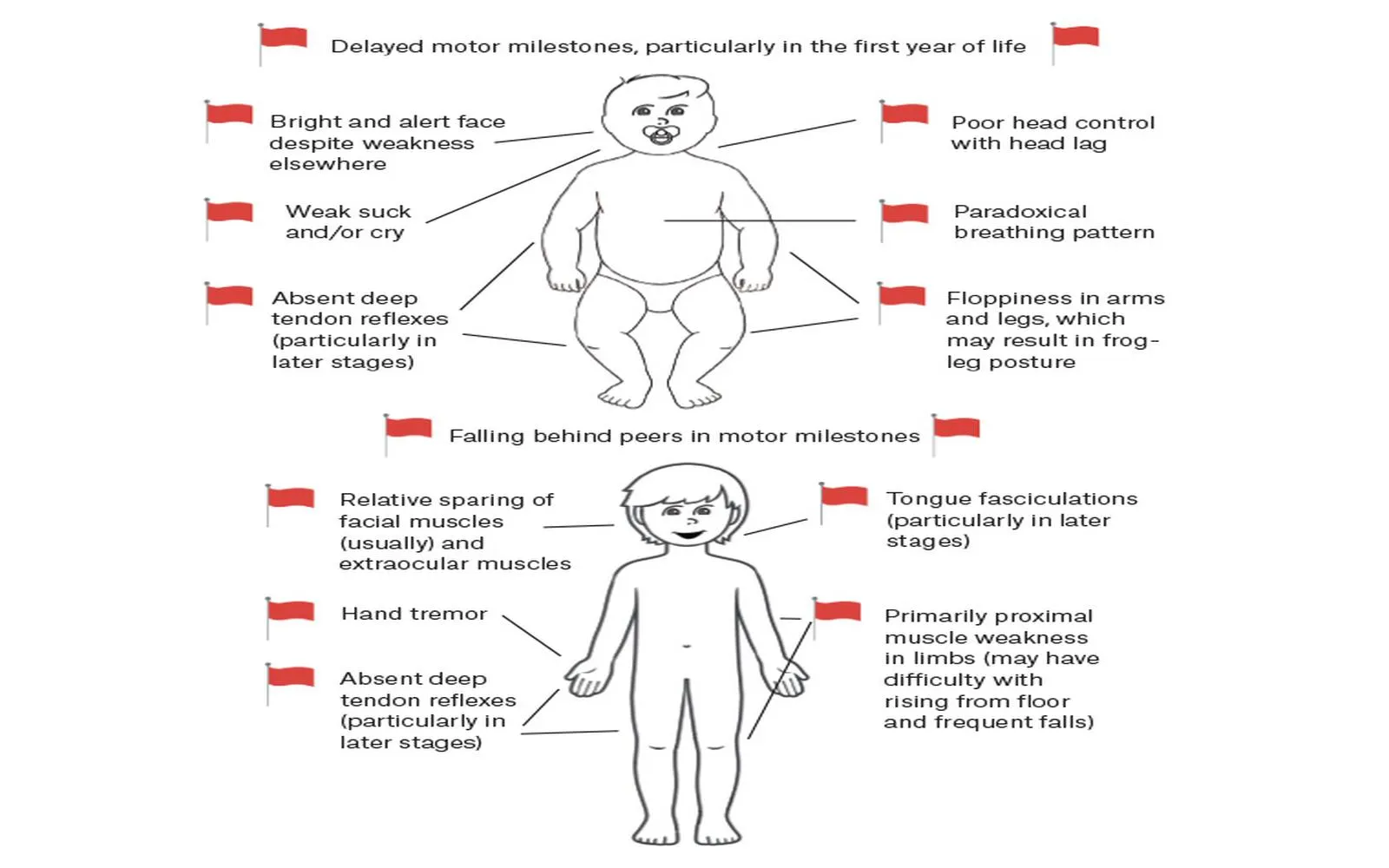
Spinal Muscular Atrophy (SMA) is a hereditary neuromuscular disorder that predominantly impairs the motor neurons within the spinal cord. This condition results in progressive muscle weakness and atrophy, significantly affecting mobility and quality of life. Recognizing the early signs of SMA and obtaining prompt diagnosis are critical in implementing effective treatment plans that can slow disease progression and enhance functional abilities. This extensive guide aims to provide a detailed understanding of SMA symptoms, the importance of early detection, and comprehensive management approaches to help patients and caregivers navigate this complex condition.
Identifying the Symptoms of Spinal Muscular Atrophy
SMA presents with a diverse array of symptoms that vary based on the subtype and severity of the disease. It is categorized into several types, including Type 1, Type 2, Type 3, and Type 4, each with distinct characteristics, age of onset, and progression patterns. Recognizing the specific symptoms associated with each type can facilitate early diagnosis and timely intervention.
In infants diagnosed with Type 1 SMA, symptoms tend to manifest within the first six months of life. Typical early signs include:
- Severe muscle weakness that presents from birth or shortly after
- Difficulty in controlling head movements, often termed as poor head stability
- Inability to sit independently—a major developmental milestone missed
- Weak or feeble cry, trouble with swallowing or feeding
- Decreased muscle tone overall, making movement and posture challenging
Type 2 SMA usually appears between the ages of six months and 18 months. Symptoms often involve a gradual decline in muscle strength and include:
- Progressive muscle weakness affecting both upper and lower limbs
- Difficulty sitting up without assistance
- Delayed achievement of motor milestones like crawling and standing
- Frequent respiratory infections or breathing difficulties due to weakened respiratory muscles
- Reduced reflexes and muscle tone
Children with Type 3 SMA typically display symptoms after 18 months. Signs may comprise:
- Difficulty walking or running, often with a waddling gait
- Increased fall frequency and difficulty maintaining balance
- Muscle cramps, spasms, or stiffness
- Developmental delays in motor skills
- Spinal curvature or scoliosis developing over time
Type 4 SMA is an adult-onset disorder, with symptoms emerging in early adulthood. It is characterized primarily by:
- Gradual onset of muscle weakness
- Fatigue during physical activities
- Weakness in muscles involved in activities such as climbing stairs or lifting objects
- Potential respiratory muscle involvement in later stages
Significance of Early Diagnosis in SMA
Early detection of SMA is vital for initiating treatments that can substantially alter the disease course. Advances in genetic testing allow for definitive diagnosis at an early stage, often before alarming symptoms become evident. Early diagnosis provides an opportunity for doctors to implement therapies that can slow or modify disease progression, improve motor function, and extend lifespan.
During routine pediatric check-ups, healthcare providers monitor developmental milestones like head control, sitting, crawling, and walking. Failure to meet these milestones should prompt further investigations, including genetic testing, to rule out SMA and other neuromuscular conditions. Parents and caregivers are encouraged to remain vigilant and discuss any concerns with their pediatrician promptly.
Strategies for Managing SMA Effectively
Although there is currently no cure for SMA, a multitude of supportive and therapeutic approaches are available that aim to maximize quality of life and functional independence. A tailored management plan often incorporates physical, respiratory, nutritional, and medical interventions.
Therapeutic and Physical Interventions
Physical therapy forms the backbone of SMA management, emphasizing muscle strength preservation, flexibility, and joint health. Techniques include passive and active exercises, stretching, and postural management to prevent contractures and deformities. Occupational therapy assists individuals in adapting daily routines and activities to their physical capabilities, fostering independence and improving psychosocial well-being.
Respiratory Support and Care
Respiratory muscles weaken as SMA progresses, making lung function critical to monitor. Regular assessments by pulmonologists help detect early respiratory compromise. Common supportive devices such as non-invasive ventilation (e.g., BiPAP) can alleviate breathing difficulties, particularly at night or during illness. Maintaining pulmonary hygiene and preventing infections through vaccinations and prompt treatment are also vital.
Nutritional Management
Swallowing difficulties are prevalent among SMA patients, leading to risks of malnutrition, dehydration, and aspiration pneumonia. Working with a registered dietitian ensures personalized nutritional strategies, including safe feeding techniques, appropriate caloric intake, and, when necessary, alternative feeding methods such as feeding tubes. Proper nutrition supports overall health and helps sustain muscle strength.
Medications and Cutting-Edge Therapies
Recent advances have introduced pharmaceutical treatments that modify disease progression. Nusinersen (Spinraza), an antisense oligonucleotide, has shown promise in improving motor function, especially when started early. Zolgensma, a one-time gene therapy, targets the root genetic defect in infants under two years, offering a significant breakthrough. Risdiplam (Evrysdi) is an oral medication suitable for patients of various ages, taken daily to enhance motor skills and potentially slow disease progression. Ongoing research continues to develop novel therapies and improve existing options.
Support Systems and Community Resources
Living with SMA extends beyond medical management. Support networks can provide essential emotional reassurance, practical assistance, and community engagement. Organizations like the SMA Foundation and Cure SMA offer educational resources, advocacy, funding opportunities, and platforms for connecting with others facing similar challenges. Access to multidisciplinary care teams, including neurologists, physical therapists, and social workers, is critical for holistic management.
Summing Up and Moving Forward
Understanding the array of SMA symptoms and recognizing the importance of early diagnosis are the first steps toward effective management. Thanks to ongoing research, innovative therapies, and supportive care options, individuals with SMA can aspire to lead more active and fulfilling lives. Vigilance, proactive healthcare engagement, and staying informed are essential components of successful SMA management. The future holds promise, and with continued advances, the goal is to improve outcomes and quality of life for all affected by this condition.