
Harnessing Generosity: A Comprehensive Guide to Charitable Giving in the United States
Explore the full spectrum of charitable giving in the USA, from types of donations and key sectors to maximizing impact and enjoying tax benefits. Discover how online platforms revolutionize philanthropy, and learn about top organizations making a difference. Empower your generosity today with strategic tips and insights into effective giving, helping you create lasting change in communities across America.
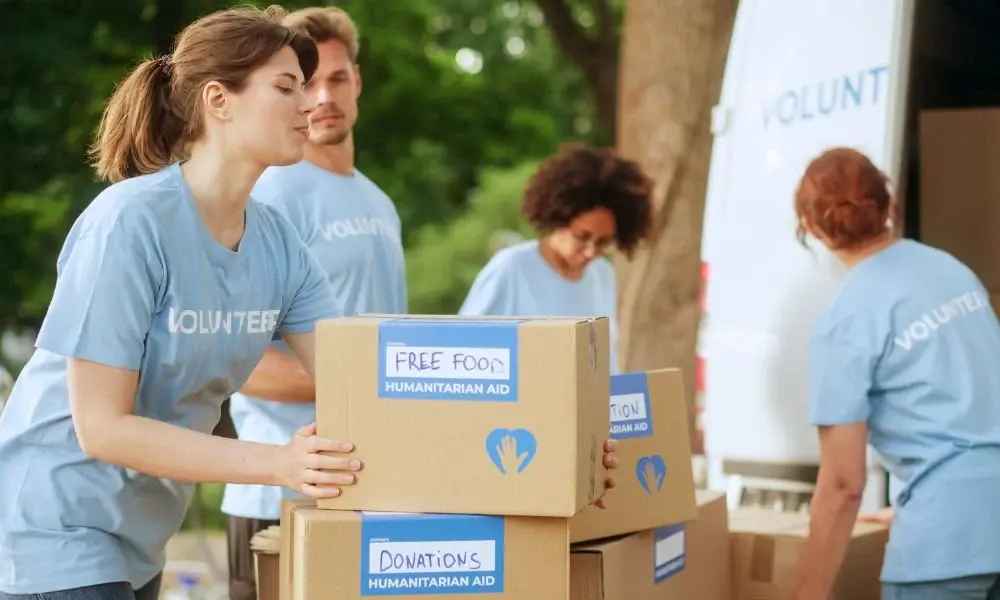
Understanding Why Americans Choose to Donate
Charitable giving is deeply woven into the fabric of American society. Recent studies reveal that over 60% of U.S. households participate in philanthropy annually. People give for various reasons, often driven by personal values, communal responsibility, or religious beliefs. Acts of generosity are motivated by a desire to support causes they are passionate about, provide aid during emergencies, or contribute to societal improvement. Additionally, tax incentives and legacy building play significant roles in encouraging donations, making philanthropy a multifaceted aspect of American culture.
- Advocating for causes close to their hearts
- Faith-inspired giving
- Relief efforts following disasters or crises
- Tax benefits that incentivize generosity
- Building a lasting philanthropic legacy
Popular Forms of Giving in the United States
1. Financial Contributions
The most common form of donation involves giving money directly through cash, checks, or digital payments via websites and mobile apps. Online platforms such as PayPal, Venmo, and dedicated charity portals have simplified the process, enabling donors to support a wide array of causes effortlessly and securely.
2. In-Kind Donations
Non-monetary gifts, including food, clothing, medical supplies, equipment, or services, are critical in supporting nonprofits, especially during crises or for local service providers. These donations often fulfill specific needs that cash donations can’t cover, making them invaluable in disaster relief and community service efforts.
3. Donor-Advised Funds (DAFs)
This innovative financial tool allows donors to establish dedicated accounts through partner financial institutions. Donors can recommend grants to various charities over time, providing flexibility in their giving strategy and opportunity for strategic grant planning while potentially enjoying tax benefits.
4. Asset Donations, Stocks, and Securities
Donors can contribute appreciated assets such as stocks, bonds, or real estate, often resulting in tax advantages. This method allows donors to maximize their impact by avoiding capital gains taxes while supporting their favored causes.
5. Planned Giving and Bequests
Individuals can include donations to nonprofits in their estate planning, such as wills or trusts. This form of giving often provides lasting benefits and can be a key part of legacy-building efforts, ensuring ongoing support for social causes even after one’s lifetime.
Key Donation Sectors in the U.S.: A Data Overview
| Sector | Share of Total Donations | Typical Causes |
|---|---|---|
| Religion | 27% | Churches, mosques, synagogues |
| Education | 14% | Schools, universities, scholarships |
| Humanitarian & Social Services | 12% | Homeless shelters, food programs |
| Health | 9% | Hospitals, medical research |
| Public & Community Benefits | 8% | Civil rights, community development |
| International Programs | 6% | Global aid, refugee support |
| Environment & Animal Welfare | 4% | Wildlife conservation, animal shelters |
Maximizing the Impact of Your Donations
To ensure your charitable contributions create meaningful change, consider the following best practices:
- Thoroughly research organizations using platforms like Charity Navigator, GuideStar, or BBB Wise Giving Alliance to verify legitimacy and performance.
- Prioritize transparency; review annual reports, financial statements, and mission statements before donating.
- Opt for organizations with low administrative costs to maximize the funds directed toward programs.
- Establish recurring donations to support ongoing projects and programs sustainably.
- Leverage employer-matching gift programs to increase donation impact without additional personal expense.
Tax Advantages of Charitable Giving in the USA
The IRS encourages philanthropy through tax deductions for qualified donations. Key points include:
- Itemizing deductions is necessary to claim charitable contributions on your tax return.
- Maintain comprehensive receipts and documentation, especially for donations exceeding $250.
- Valuation reports may be required for non-cash gifts like art, real estate, or valuable collectibles.
Note that for many taxpayers, claiming the standard deduction might be more beneficial, so evaluate which approach best suits your financial situation.
The Explosion of Digital Donations: Embracing Online Platforms
The convenience and reach of digital giving have transformed philanthropy. Platforms such as GoFundMe, PayPal Giving Fund, Facebook Fundraisers, and dedicated charity websites enable instant, widespread support for causes. According to recent data, online donations now account for approximately 30% of all charitable gifts in the U.S.
Advantages of online giving include:
- Immediate transaction processing
- Ability to support causes globally or locally from anywhere
- Enhanced sharing and awareness via social media integrations
Leading U.S. Charitable Organizations to Know in 2025
Some of the most reputable and impactful charities in the United States include:
- American Red Cross
- Feeding America
- St. Jude Children's Research Hospital
- The Salvation Army
- United Way Worldwide
- World Wildlife Fund (WWF)
- Doctors Without Borders
All these organizations are frequent recipients of generous donations due to their high standards of transparency, efficiency, and tangible social impact.
Conclusion: The Transformative Power of Giving
Participating in philanthropy in the U.S. goes beyond monetary transfer — it is a profound act of compassion, community support, and hope. Whether you give a small amount or a substantial gift, your generosity can fundamentally improve lives. With emerging tools, transparent platforms, and diverse giving options, contributing meaningfully has never been more accessible or impactful. Embark on your giving journey today and join millions in making a difference for a better tomorrow.