
Transforming Investment Approaches with Mobile Platforms in 2025
The article explores how mobile investment platforms are revolutionizing financial strategies by 2025. It highlights key features like real-time data, robo-advisors, and fractional shares, emphasizing increased accessibility, investor education, and the surge in short-term trading. Challenges such as data security and regulation are discussed alongside future trends like advanced AI integration, global expansion, and sustainable investing. Mobile platforms are transforming how individuals participate in markets, making investing more inclusive, intuitive, and aligned with personal values, marking a significant shift in the financial industry’s landscape.
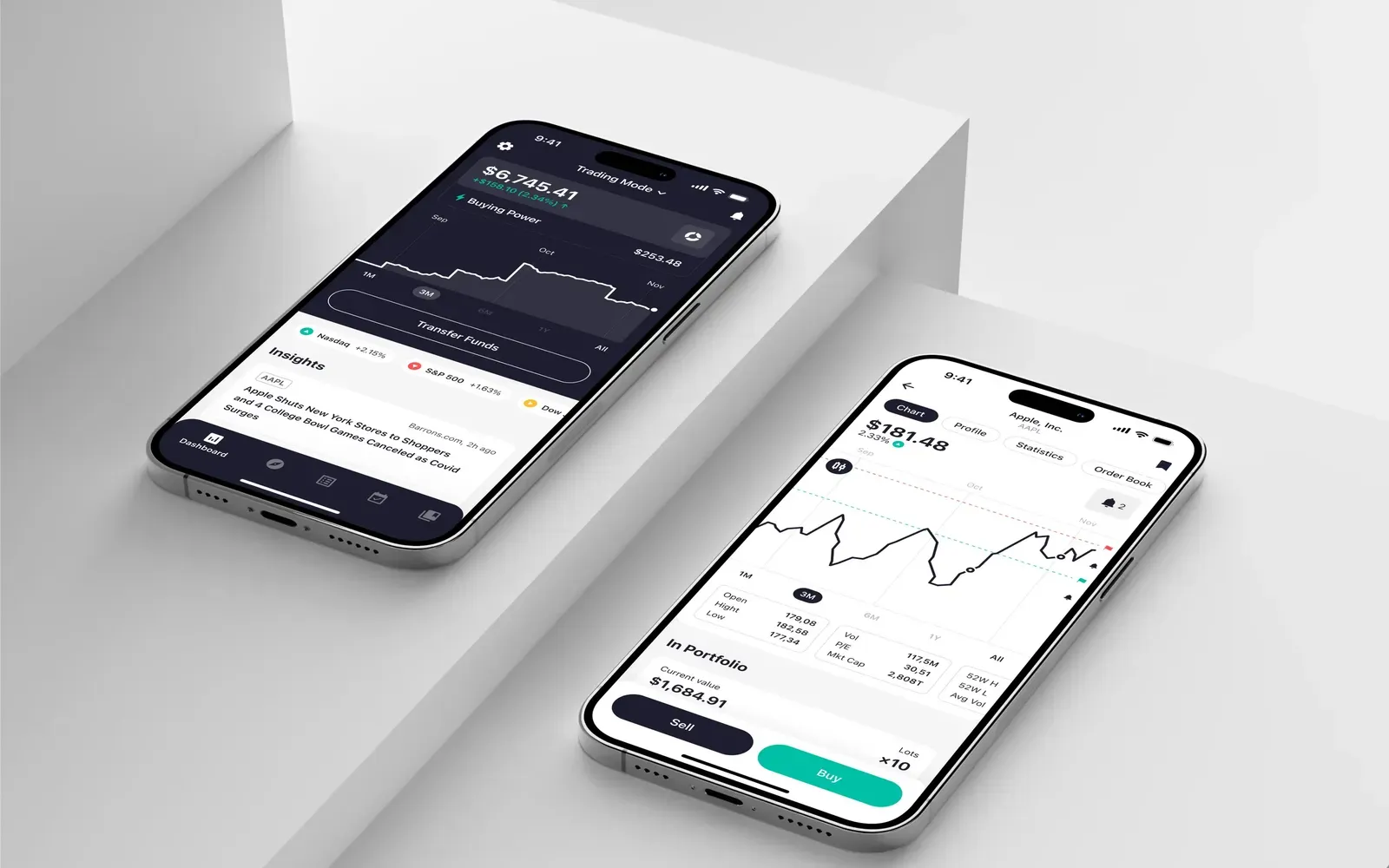
The financial landscape of 2025 is undergoing a remarkable transformation, largely driven by the rapid development and adoption of mobile investment platforms. These digital solutions enable users to directly manage and monitor their investments using smartphones and tablets, revolutionizing traditional investment methodologies. By removing geographical and institutional barriers, mobile investment apps are democratizing access to financial markets. This comprehensive article explores how such technological advancements are reshaping investment behaviors, strategies, and opportunities, heralding a new era of financial autonomy and participation for both novice and experienced investors. We will delve into key features, emerging trends, challenges, and the future outlook of mobile investing as we approach 2025.
The Emergence and Evolution of Mobile Investment Platforms
The past decade has seen an exponential growth in digital financial services, fundamentally altering how investments are made and managed. Historically, investment involved visiting physical brokerages, identifying financial advisors, or relying on traditional banking institutions. However, the unprecedented rise of mobile investment platforms has shifted this paradigm entirely.
Advancements in smartphone technology, high-speed internet, and data analytics have paved the way for innovative financial products tailored for mobile users. By 2025, it is projected that over half a billion individuals globally will utilize mobile investment applications, reflecting a seismic shift in investor demographics. This evolution has been fueled by the increasing familiarity with digital tools among Millennials and Generation Z, who prefer quick, accessible, and intuitive investment options via their mobile devices.
Key Characteristics and Features of Mobile Investment Platforms
Mobile investment applications boast a myriad of features that enhance usability, transparency, and efficiency. Here are some of the core functionalities transforming the investment landscape:
- Real-Time Data and Analytics: Instant access to live market data and comprehensive analytics helps investors make informed decisions instantly, reducing lag and enhancing responsiveness.
- Automated Investment Advisors (Robo-Advisors): Many platforms leverage AI to offer personalized investment advice tailored to individual risk profiles, goals, and market conditions, making professional guidance more accessible.
- Fractional Shares and Low-Capital Investment: Investors can purchase fractions of stocks or ETFs, enabling diversification even with limited capital, thus lowering entry barriers.
- Social and Collaborative Features: The ability to follow, learn from, and even mimic the strategies of experienced traders fosters a community-oriented approach to investing.
- Educational Resources and Resources Integration: Tutorials, webinars, blog posts, and forums embedded within apps help users expand their financial literacy and confidence.
Transforming Investment Strategies Through Mobile Technology
The accessibility and convenience of mobile technology are actively shaping new investment strategies. The following mechanisms demonstrate how mobile platforms are influencing investor approaches:
1. Broader Access to Markets and Asset Classes
Previously, participating in markets required substantial capital, knowledge, and often, professional guidance. Mobile platforms have lowered these entry barriers significantly. Now, retail investors can access a diverse range of asset classes including stocks, bonds, commodities, cryptocurrencies, and ETFs, often with minimal initial investments. This democratization allows more individuals to build diversified portfolios suited to their financial goals.
2. Emphasis on Investor Education and Engagement
In-app educational modules, tutorials, risk assessment tools, and community forums empower users to better understand the complexities of investing. As investors become more knowledgeable, they are capable of making informed decisions, leading to improved investment outcomes and a more engaged investor community.
3. Surge in Short-Term and Active Trading
The ease of executing trades via mobile apps has led to an increase in short-term trading strategies like day trading and swing trading. Individuals can react swiftly to market developments, often executing multiple trades within minutes. While this can lead to higher potential gains, it also introduces increased risk and volatility, which regulators and platform providers are increasingly trying to monitor and manage.
4. Focus on Environmental, Social, and Corporate Governance (ESG) Investing
With rising awareness of social responsibility and sustainability, mobile platforms are incorporating ESG investment options. This allows investors to align their portfolios with personal values, fostering a more conscientious approach to investing. The integration of ESG factors into mobile apps is expected to grow substantially, shaping investment trends in 2025 and beyond.
Challenges Facing Mobile Investment Platforms
Despite their promise, these platforms face several hurdles and risks. Addressing these challenges is crucial for sustainable growth and user trust:
- Data Security and Privacy: Protecting sensitive user data against cyber threats is a top priority. Breaches can undermine confidence and lead to financial losses.
- Regulatory Compliance: As financial regulations evolve, platforms must ensure compliance across the jurisdictions they operate within, which can be complex and costly.
- Operational Risks and System Reliability: Ensuring seamless, uninterrupted service is vital; outages or glitches could cause financial losses or erode trust.
- Misinformation and Investor Oversight: The risk of unverified tips, rumors, or misguiding advice circulating within social features can lead to impulsive actions with adverse effects.
- Financial Literacy and Responsible Investing: Given the ease of trading, it’s essential to promote responsible investing behaviors and prevent impulsive, uninformed decisions.
Future Outlook and Opportunities in Mobile Investing
The development trajectory of mobile investment platforms indicates a promising future. As we approach 2025, several trends are poised to drive further innovation and adoption:
- Integration of Advanced Technologies: Artificial Intelligence, machine learning, and big data analytics will offer even more personalized, efficient, and predictive investment insights.
- Enhanced User Experience: Simplified interfaces, voice-command capabilities, and immersive virtual tools will make investing more intuitive and engaging.
- Broader Inclusion and Global Reach: Expanding services to underserved regions will promote financial inclusion worldwide.
- Focus on Sustainability and Impact Investing: As ESG considerations become mainstream, platforms will integrate more sustainable investment options and impact measurement tools.
- Regulatory Innovations and Safeguards: Regulatory frameworks will evolve to better protect investors, promoting transparency and fairness.
Conclusion: Embracing the Mobile Investment Revolution
The rise of mobile investment platforms is more than a passing trend; it signifies a fundamental shift in how individuals engage with financial markets. These platforms' growing sophistication, educational resources, and user-centric features are opening doors for millions to participate actively in wealth creation. As technology continues to evolve, investors—both new and seasoned—must stay informed about emerging tools, strategies, and risks to optimize their investment journeys. By leveraging the advantages of mobile investing, individuals can build resilient, diversified portfolios aligned with their goals and values, shaping a more inclusive and dynamic financial future in 2025 and beyond.