
Comprehensive Guide to Selecting the Ideal Emergency Veterinary Provider for Your Pet
Selecting the right emergency veterinarian is crucial for your pet’s health during urgent situations. This comprehensive guide offers detailed tips on researching clinics, verifying credentials, evaluating services, and building trust. It emphasizes the importance of location, reviews, facility visits, payment options, and developing a good relationship with your regular vet. Preparing an emergency kit and planning ahead ensure swift, effective care when it’s needed most. Being proactive about emergency vet choice can save your pet’s life and provide peace of mind for you as a responsible owner.
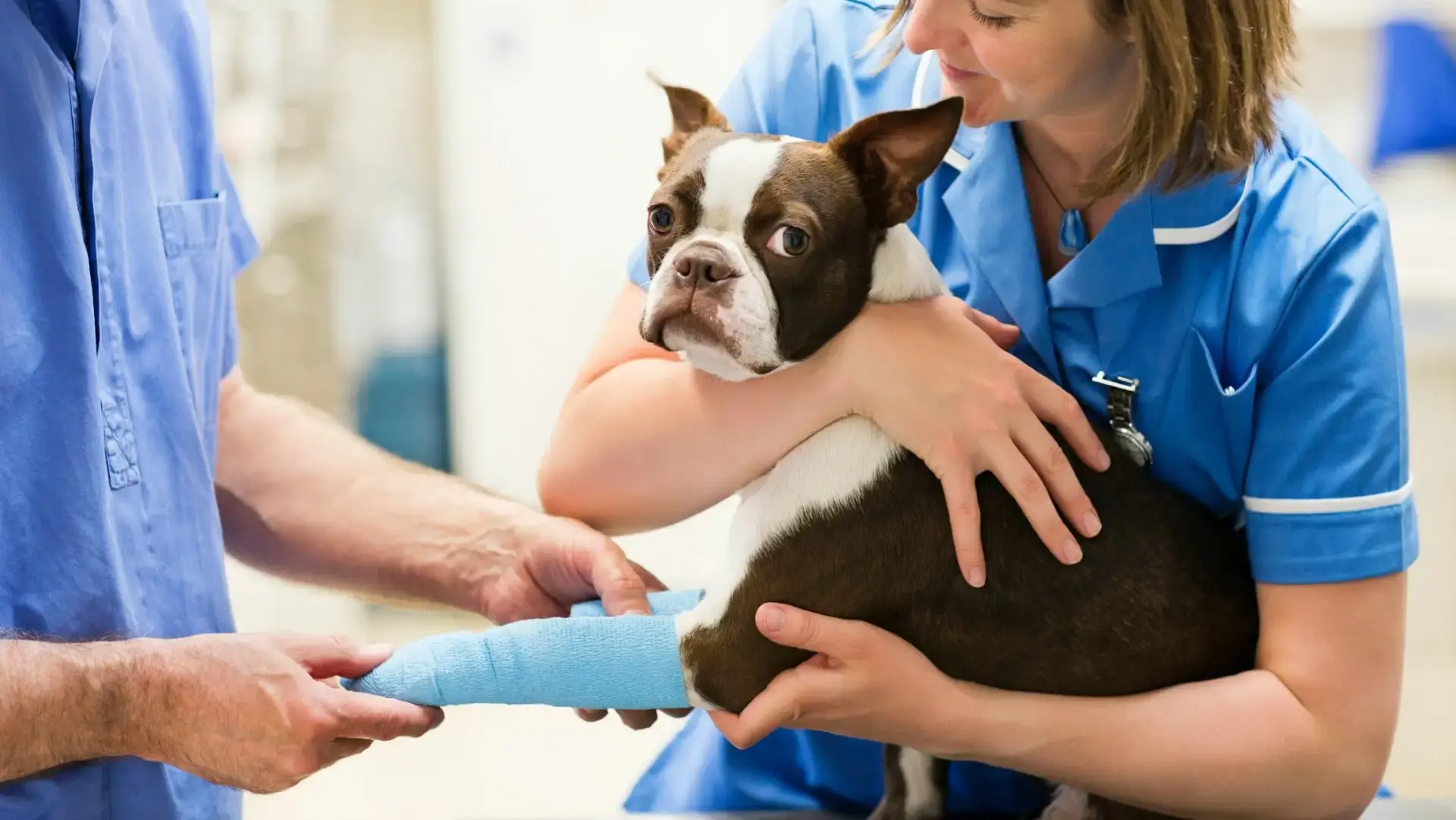
Ensuring prompt and professional care during pet emergencies starts with choosing the right emergency veterinarian. Having a trusted animal healthcare facility readily available can be lifesaving in critical moments. This detailed guide provides valuable insights and practical tips on selecting the best emergency vet to safeguard your beloved companion's health and well-being during urgent situations.
1. Conduct In-Depth Research on Emergency Veterinary Clinics Near You
The first crucial step in selecting a dependable emergency vet involves comprehensive research. Leverage online directories, review pet owner testimonials, and seek recommendations from your usual veterinarian. Compile a list of nearby emergency clinics that meet your criteria. Checking their proximity, reputation, and accessibility ensures you’re prepared when emergencies arise. Remember, in emergencies, every minute counts, and having a local reliable facility can make all the difference.
2. Verify Qualifications, Certifications, and Accreditations
It is vital to confirm the professional credentials of potential emergency veterinary centers. Look for clinics with certifications from reputable organizations such as the American Animal Hospital Association (AAHA). Such accreditation signifies adherence to high standards of veterinary medicine, facility cleanliness, staff expertise, and quality assurance. Verifying qualifications also includes checking if the veterinarians on staff possess relevant emergency training and experience in handling critical cases. This step ensures your pet receives top-tier medical care when needed most.
3. Analyze the Range of Services Offered
Not all emergency veterinary clinics provide identical services. Some may specialize in particular types of emergencies or focus on specific animals. Ensure the clinic you select offers the services your pet might require, such as surgical procedures, intensive care, diagnostics, or specialized treatments like dental emergencies or poisonings. Clarify whether they have facilities and equipment necessary to treat various urgent conditions. A comprehensive service portfolio guarantees your pet gets appropriate treatment without unnecessary referrals or delays.
4. Evaluate the Clinic’s Location and 24/7 Availability
During a critical situation, quick access to veterinary care can be lifesaving. Choose an emergency animal hospital that is conveniently located within a reasonable distance from your home. Confirm their operating hours and check if they provide 24/7 emergency services, including holidays and weekends. Accessibility, combined with round-the-clock availability, ensures that help is always available whenever unforeseen emergencies occur, reducing stress and increasing your pet’s chances of recovery.
5. Read Customer Reviews and Testimonials Carefully
Online feedback from other pet owners offers valuable insights into the quality of care, staff professionalism, wait times, and overall client satisfaction. Study reviews on trusted platforms and social media pages, paying close attention to recurring themes or concerns. Positive testimonials highlighting compassionate staff, prompt responses, and effective treatments are good indicators of reliable service. Conversely, recurring criticisms about delays or poor communication may signal caution. This information helps you make an informed choice based on real experiences.
6. Visit the Facility and Conduct an Inspection
If possible, visit the potential emergency clinic to assess its environment firsthand. A clean, well-organized, and modern facility reflects a high standard of care. Check whether they have advanced medical equipment, a dedicated emergency treatment area, and comfortable accommodations for animals. Observe staff interactions and cleanliness standards. Visiting in advance allows you to familiarize yourself with the environment, reducing anxiety during an actual emergency when quick action is critical.
7. Discuss Payment Options and Insurance Acceptance
Emergency veterinary care can incur significant costs, making financial preparedness essential. Inquire whether the clinic accepts different forms of payment such as credit cards, cash, or pet insurance. Many clinics partner with insurance providers or offer financing options like payment plans or emergency credit services. Understanding these options beforehand helps you avoid surprises during stressful situations, ensuring your pet receives necessary treatment without delay due to financial constraints.
8. Trust Your Intuition and Build a Relationship
Ultimately, your personal comfort and trust in a clinic are vital. If you feel confident and reassured by the staff and environment, it’s a strong sign that this is a suitable emergency vet for your pet. Establishing a relationship with your veterinarian can facilitate better care, as they become familiar with your pet’s medical history, making emergency diagnostics and treatments more seamless. Regular visits, even for routine checkups, strengthen this bond and improve emergency responsiveness.
9. Develop a Strong Partnership with Your Regular Veterinarian
Maintaining a good relationship with your primary veterinarian ensures coordinated and comprehensive care. Your regular vet can provide referrals to trusted emergency clinics and assist in planning for urgent scenarios. Having a collaborative relationship allows for smooth communication between your pet’s regular healthcare provider and emergency specialists, ensuring that vital details are shared promptly. This partnership can significantly improve your pet’s outcomes during emergencies.
10. Prepare a Complete Emergency Kit for Your Pet
In conjunction with selecting the ideal emergency vet, assembling a well-stocked emergency kit is essential. Include vital items such as your pet’s medical records, current medications, vaccination history, and any special dietary needs. Add essential supplies like bandages, antiseptics, a flashlight, and emergency contacts, including your veterinarian’s number. Being prepared reduces panic, saves time, and ensures your pet gets immediate care during crises, ultimately heightening their chances of recovery.
Making an informed decision when choosing an emergency veterinary provider is a cornerstone of responsible pet ownership. By meticulously researching, visiting facilities, and planning ahead, you can ensure that your furry friends are protected and cared for. Always prioritize their safety and well-being, especially in urgent situations, by having a trusted veterinarian available who can deliver swift and expert care. Preparedness and confidence in your emergency vet can make all the difference during critical moments.