
Enhancing DevOps Security in 2025: Essential Tools for a Safer Software Lifecycle
In 2025, securing DevOps workflows is more critical than ever. This comprehensive guide highlights the top security tools including vulnerability scanners, container security, secrets management, static code analysis, and AI-driven threat detection. Implementing these solutions helps organizations build resilient, compliant, and efficient DevOps pipelines by proactively addressing vulnerabilities and threats throughout the software development lifecycle, ensuring security keeps pace with rapid deployment cycles.
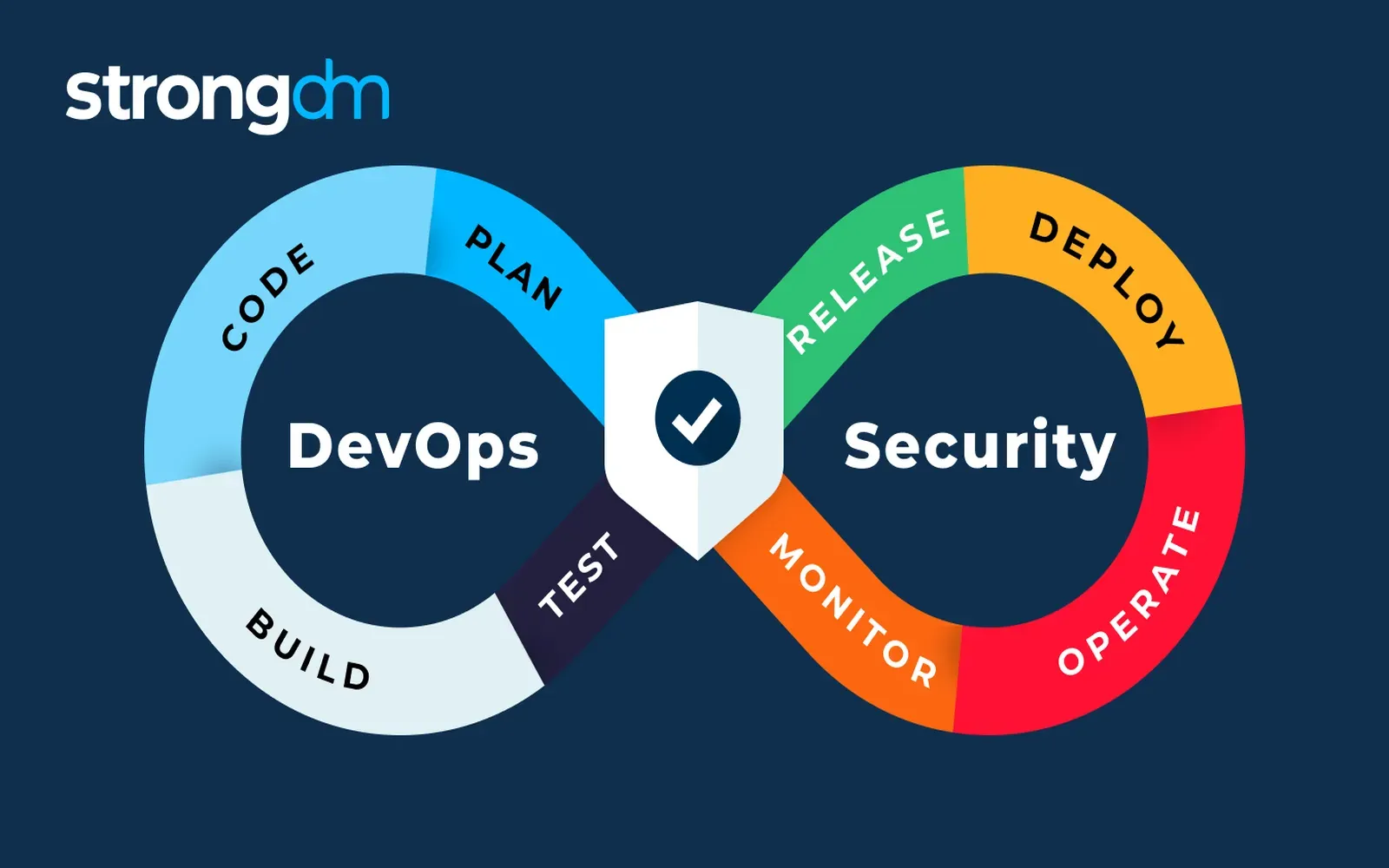
As businesses increasingly embrace DevOps methodologies to accelerate product delivery and foster collaboration, the importance of integrating robust security measures cannot be overstated. The landscape of DevOps security tools has undergone significant transformation in 2025, with a plethora of innovative solutions designed to detect vulnerabilities, safeguard containers, manage secrets securely, and provide comprehensive monitoring. This extensive overview explores the latest and most potent tools that organizations must consider to bolster their DevOps security posture, ensuring resilience against evolving cyber threats.
1. Advanced Vulnerability Scanners: Snyk
Snyk has established itself as a leader in identifying security vulnerabilities in open-source dependencies and third-party libraries. Its tight integration into CI/CD pipelines enables developers to perform continuous vulnerability assessments throughout the development cycle. With real-time scanning and proactive fixing suggestions, Snyk empowers teams to identify and remediate issues early, drastically reducing risk exposure. By automating vulnerability detection and providing actionable insights, Snyk ensures application integrity without hindering development velocity.
2. Container and Cloud Native Security: Aqua Security
Aqua Security offers a comprehensive security platform tailored for containerized environments. As organizations adopt microservices, Kubernetes, and serverless architectures, Aqua's solutions provide container image scanning for known vulnerabilities, runtime protection, and strict security policy enforcement. It also facilitates monitoring of container behaviors in real-time to detect anomalies, reducing the risk of container breaches. Aqua’s cloud-native approach aligns perfectly with modern DevOps workflows, helping teams maintain security at every stage of the deployment lifecycle.
3. Secrets Management and Data Protection: HashiCorp Vault
HashiCorp Vault is a critical tool for managing sensitive information securely within DevOps pipelines. It enables organizations to store, access, and tightly control secrets such as API keys, tokens, and database credentials. Using encryption and role-based access controls, Vault minimizes the possibility of secrets leakage. Its dynamic secrets generation further enhances security by providing secrets on-demand, which expire automatically, reducing the risk of long-term credential exposure. Vault seamlessly integrates with cloud platforms and CI/CD workflows, making it indispensable for sensitive data management.
4. Continuous Code Quality and Security: SonarQube
SonarQube plays a pivotal role in ensuring code quality and security in DevOps practices. It examines source code for bugs, vulnerabilities, code smells, and compliance issues. SonarQube’s integration into CI/CD pipelines offers instant feedback to developers, promoting secure coding habits and early detection of security flaws. Its extensive rule set and customizable security profiles allow teams to enforce security best practices, reducing potential exploits in production environments. By maintaining high code standards, SonarQube helps prevent security breaches caused by poor code quality.
5. Static Application Security Testing (SAST): Checkmarx
Checkmarx focuses specifically on static application security testing, offering developers insights into vulnerabilities before code is deployed. Its deep integration into IDEs and CI/CD systems ensures that security issues are identified during the development phase. Checkmarx’s advanced scanning algorithms analyze source code to reveal flaws such as injection points, insecure data handling, and configuration issues. This proactive approach enables teams to fix vulnerabilities early, streamlining security workflows and reducing remediation costs.
6. Unified Security Management: GitLab Security Dashboard
GitLab provides an all-in-one platform that encompasses source code management, CI/CD, and security scanning. Its built-in security dashboard offers visibility into vulnerabilities, scanning results, and compliance status across the entire development lifecycle. Features like SAST, dependency scanning, and container scanning can be centrally managed, facilitating collaboration between developers and security professionals. The cohesive security management framework in GitLab ensures that security is integrated seamlessly, promoting a DevSecOps culture.
7. Cloud and Container Security: Prisma Cloud
Prisma Cloud, developed by Palo Alto Networks, is a cloud-native security platform designed to protect hybrid, multi-cloud, and containerized environments. It provides continuous compliance monitoring, vulnerability assessment, runtime protection, and identity management. Prisma Cloud's real-time threat detection and policy enforcement help organizations detect anomalies, prevent data breaches, and adhere to regulatory standards. Its deep integration with DevOps tools streamlines security operations in cloud-native deployments, ensuring a secure and compliant infrastructure.
8. Web Application Security: OWASP ZAP
OWASP ZAP (Zed Attack Proxy) is a popular open-source tool designed for automated security testing of web applications. It is especially useful during development and testing phases for identifying vulnerabilities such as cross-site scripting, SQL injection, and insecure session management. ZAP’s user-friendly interface and scripting capabilities make it suitable for continuous security testing within CI/CD pipelines, empowering organizations to preemptively discover and fix web app security flaws before release.
9. AI-Powered Threat Detection: Darktrace
Darktrace leverages cutting-edge artificial intelligence and machine learning to analyze network activity for anomalies indicative of cyber threats. Its self-learning technology continuously updates its understanding of normal operations, enabling rapid detection of subtle malicious behaviors or insider threats. Incorporating Darktrace into a DevOps environment enhances threat response capabilities, providing security teams with real-time alerts and automated mitigation options, significantly strengthening the organization’s cyber defense posture.
10. Artifact Management and Security: JFrog Artifactory
JFrog Artifactory acts as a universal artifact repository supporting multiple package types. It includes integrated security features such as vulnerability scanning and granular access controls to verify the integrity and authenticity of artifacts before deployment. By ensuring that only validated, secure packages are used in production, Artifactory helps prevent supply chain attacks and maintains consistent quality and security standards across development cycles. Its integration with CI/CD tools makes it a cornerstone for secure artifact management in DevOps workflows.
Summary Chart of Top DevOps Security Solutions in 2025
The following overview summarizes the technologies and features of the leading DevOps security tools this year:
- Snyk: Detects vulnerabilities in open-source dependencies with automated fix suggestions.
- Aqua Security: Secures container environments with image scanning and runtime protection.
- HashiCorp Vault: Provides robust secrets management with encryption and dynamic secrets.
- SonarQube: Offers continuous code quality assessment and vulnerability identification.
- Checkmarx: Performs static analysis to find code vulnerabilities early.
- GitLab Security Dashboard: Centralizes security scans and visibility across the DevOps pipeline.
- Prisma Cloud: Delivers cloud-native security, compliance, and runtime protection.
- OWASP ZAP: Automated testing tool for web application security flaws.
- Darktrace: Uses AI to detect and respond to network threats proactively.
- JFrog Artifactory: Manages artifacts with embedded security controls.
In conclusion, adopting these advanced DevOps security tools in 2025 is essential for organizations aiming to secure their development operations, safeguard sensitive data, and comply with industry standards—while maintaining the agility and speed that define modern DevOps practices.