
Top 10 Nutritional Powerhouses to Boost Your Overall Well-Being
Discover an extensive guide to the top 10 foods that promote better health, supporting weight management, immune function, and digestion. Learn practical tips to incorporate these nutrient-dense foods into your daily diet for improved vitality, longevity, and overall wellness. From oats and avocados to fermented foods and seafood, these superfoods are essential for a balanced, health-boosting lifestyle.
- Oats
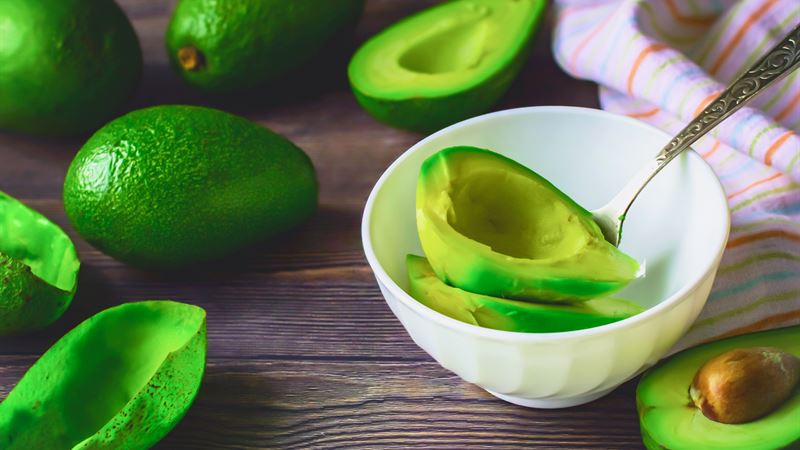
- Avocados
- Greek Yogurt
- Chia Seeds
- Pistachios
- Quinoa
- Salmon
- Fermented Foods
- Watermelon
- Dark Leafy Greens
Understanding the health benefits of these foods and how to incorporate them into your diet can empower you to make smarter nutrition choices every day. From supporting metabolic health to nourishing your gut microbiome, these superfoods are versatile and delicious additions to any diet.
Let’s explore each of these vital foods in detail, along with their nutritional profiles, health benefits, and creative ways to include them in your meals for optimal well-being.
Oats – The Ultimate Breakfast Staple for Lasting Energy
Oats are a dietary staple renowned for their rich soluble fibers, primarily beta-glucan, which play a key role in lowering cholesterol and stabilizing blood sugar levels. They are also excellent sources of complex carbohydrates that provide sustained energy throughout the day. A typical serving of cooked oats contains about 4 grams of fiber, underscoring their role in promoting digestive health and satiety. For the healthiest preparation, opt for steel-cut or rolled oats rather than instant varieties, which often contain added sugars.
Enhance your oatmeal by topping it with fresh berries like blueberries or strawberries, which are packed with antioxidants. Use unsweetened plant-based milks such as almond or oat milk, or low-fat dairy options to keep calories in check. For added protein, consider stirring in a spoonful of Greek yogurt or a handful of nuts, making your breakfast both nutritious and satisfying.
Avocados – Rich in Healthy Fats for Heart and Brain Health
Avocados have gained fame as a superfood thanks to their high monounsaturated fat content, which is beneficial for cardiovascular health. Half an avocado provides approximately 6 grams of dietary fiber and 6.7 grams of healthy fats, aiding in better nutrient absorption and prolonged fullness. Research from BioMed Central indicates that incorporating avocados into your diet can lead to improved overall nutrient intake and enhanced diet quality.
Enjoy sliced or mashed avocado spread on whole-grain toast, topped with eggs or vegetables. They pair beautifully with radishes, cucumbers, and tomatoes, adding flavor and nutrition to your salads or sandwiches. Their creamy texture and subtle flavor make them versatile additions to smoothies or even as a substitute for mayonnaise in recipes.
Greek Yogurt – High-Protein and Gut-Boosting
Greek yogurt is a dairy powerhouse that offers approximately 24 grams of protein in a 7-ounce serving of plain, unsweetened, low-fat Greek yogurt. This high protein content helps keep you full for longer periods and supports muscle maintenance. Additionally, Greek yogurt contains probiotics—beneficial bacteria that improve gut health, bolster immunity, and aid in digestion. Incorporating Greek yogurt into your breakfast or snack routine can help regulate appetite and promote weight control.
For a tasty breakfast, mix Greek yogurt with fresh fruit, nuts, and a drizzle of honey. Use it as a base for smoothies or as a creamy component in salad dressings. Its versatility and nutritional richness make Greek yogurt a staple in health-conscious diets.
Chia Seeds – Small Seeds, Big Benefits
Chia seeds are tiny nutritional powerhouses rich in dietary fiber, protein, omega-3 fatty acids, vitamins, and minerals. An ounce of chia seeds provides around 10 grams of fiber and nearly 4.8 grams of protein, promoting feelings of fullness and aiding digestion. Their high fiber content can help stabilize blood sugar levels and reduce cravings.
Incorporate chia seeds into your diet by adding them to smoothies, yogurt, or salads. You can also prepare chia pudding by soaking the seeds overnight in milk or plant-based alternatives, then topping with fresh fruit or a splash of honey for a nutritious breakfast or snack. Their neutral flavor and gel-like texture make them a versatile ingredient in various recipes.
Pistachios – Nutritious, Crunchy, and Satisfying
Pistachios are among the lower-calorie nut options with a rich profile of essential nutrients. One ounce of unsalted, peeled pistachios contains approximately 5.8 grams of protein, 13.4 grams of healthy fats, and 2.8 grams of fiber. Their unique combination of nutrients can boost metabolism and aid in weight management when eaten in moderation.
Because of their satisfying crunch, pistachios make a perfect snack—just be mindful of portion size. Buying pre-shelled pistachios can help control intake and slow down consumption. Toss them into salads or trail mixes, or enjoy them on their own as a healthy snack between meals.
Quinoa – The Gluten-Free Grain Loaded with Protein
Quinoa is a pseudo-grain revered for its high protein content and complete amino acid profile, making it an excellent plant-based protein source. A single cup of cooked quinoa offers around 8 grams of protein, 4 grams of fat, 5 grams of dietary fiber, and 39 grams of carbohydrates. Its chewy texture and nutty flavor make it a versatile addition to various dishes.
Mix cooked quinoa with lean meats, roasted vegetables, and herbs for a nutritious grain bowl. Use it as a base for salads, stuffing, or even breakfast porridges. Its high fiber and protein content help reduce hunger and prevent overeating, supporting weight loss and metabolic health.
Salmon – The Fat-Burning Superfish
Salmon is a rich source of high-quality protein and healthy omega-3 fatty acids, which support cardiovascular health and metabolic function. A three-ounce serving of cooked salmon contains approximately 18.79 grams of protein, 10.5 grams of fat, and around 175 calories. Its ability to boost metabolism and promote fat oxidation makes it an excellent choice for weight management.
Prepare pan-seared or baked salmon with herbs and lemon, serving it alongside roasted vegetables or whole grains. For a nutritious, low-calorie meal, pair baked salmon with a colorful medley of vegetables, lightly seasoned and oven-roasted to preserve flavor and nutrients.
Fermented Foods – Gut Health Boosters
Fermented foods are rich in probiotics that promote a healthy gut microbiome, supporting digestion, immunity, and nutrient absorption. Functioning as natural detoxifiers, products like kefir, sauerkraut, kombucha, and tempeh help maintain a balanced gut flora, which is crucial for overall health and weight regulation. Incorporating these foods regularly can lead to improved digestive comfort and a strengthened immune system.
Enjoy kefir as a breakfast drink or add sauerkraut to salads and sandwiches. Try drinking a cup of kombucha daily or cooking with tempeh to reap their health benefits.
Watermelon – Hydration and Weight Loss Ally
Watermelon is a hydrating fruit, composed of over 90% water, making it ideal for supporting weight loss and hydration. It is also rich in vitamins A and C, which bolster immunity and skin health. The fruit contains an amino acid called arginine, which has been shown to assist in fat burning and reduce visceral fat.
Snack on fresh watermelon slices or blend into smoothies for a refreshing beverage. Its natural sweetness and high water content can curb cravings and prevent overeating during hot weather or intense exercise.
In conclusion, while no single food can guarantee weight loss or perfect health, integrating these nutrient-rich options into your diet provides essential vitamins, minerals, and health-promoting compounds. All of these foods are unprocessed, natural, and versatile, making them ideal choices for fostering a healthier lifestyle and supporting your long-term well-being.