
Comprehensive Guide to Choosing and Using Your First DSLR Camera
This comprehensive guide offers essential tips and insights for beginners looking to select and optimize their first DSLR camera. Covering megapixels, lens upgrades, accessories, buying options, and top models, it’s the ultimate resource to kickstart your photography journey with confidence.
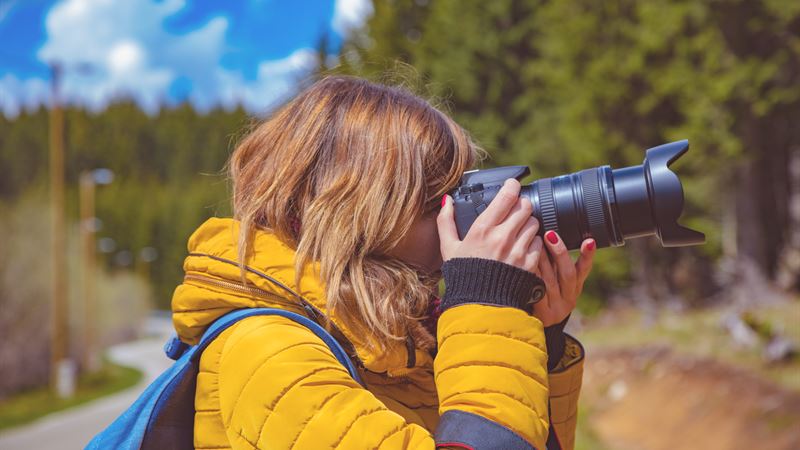
Embarking on the journey of photography with a Digital Single-Lens Reflex (DSLR) camera can be both exciting and overwhelming. Whether you're a beginner eager to capture life's precious moments or an enthusiast aiming to improve your skills, understanding the fundamentals of DSLR cameras is essential. This extensive guide aims to provide you with detailed insights into what to consider when choosing your first DSLR, how to optimize its use, and which accessories can elevate your photography experience. By the end of this article, you'll be well-equipped to make informed decisions and confidently step into the world of professional photography.
Understanding Megapixels and Their Relevance
Megapixels are often the first attribute highlighted when shopping for a camera. They denote the resolution of images the camera can produce, directly impacting the clarity and detail of your photos. However, it's crucial to interpret this specification correctly to assess whether a particular DSLR suits your needs.
- Megapixels refer to the number of individual points or pixels a camera's sensor can capture in a photograph. More megapixels generally mean higher image resolution, which is beneficial for large-format printing or detailed cropping.
- For casual photography and standard-sized prints, such as A4 or smaller, even cameras with 10 to 12 megapixels suffice to produce crisp images. Anything beyond this may lead to larger file sizes without a noticeable benefit for everyday use.
- If you envision printing large posters, creating high-quality wall art, or performing extensive cropping, opting for a DSLR with higher megapixels, such as 24 or 30 MP, is advisable. This ensures that the images retain detail without pixelation.
- Keep in mind that higher megapixels can demand more storage space and processing power, so ensure your memory cards and computer systems can handle larger files.
While megapixels are a key factor, they are not the sole indicator of a camera's overall quality. Factors like sensor size, image processing capabilities, and lens quality also significantly influence your photographs' overall sharpness and color accuracy.
- Megapixels refer to the number of individual points or pixels a camera's sensor can capture in a photograph. More megapixels generally mean higher image resolution, which is beneficial for large-format printing or detailed cropping.
- For casual photography and standard-sized prints, such as A4 or smaller, even cameras with 10 to 12 megapixels suffice to produce crisp images. Anything beyond this may lead to larger file sizes without a noticeable benefit for everyday use.
- If you envision printing large posters, creating high-quality wall art, or performing extensive cropping, opting for a DSLR with higher megapixels, such as 24 or 30 MP, is advisable. This ensures that the images retain detail without pixelation.
- Keep in mind that higher megapixels can demand more storage space and processing power, so ensure your memory cards and computer systems can handle larger files.
While megapixels are a key factor, they are not the sole indicator of a camera's overall quality. Factors like sensor size, image processing capabilities, and lens quality also significantly influence your photographs' overall sharpness and color accuracy.
Upgrading From Basic Kit Lenses to Enhance Your Photographic Output
Most entry-level DSLRs come bundled with an 18-55mm kit lens. This lens is designed to be versatile and user-friendly, making it ideal for beginners just starting their photography journey. However, as you grow more confident in your skills, you might find this lens limiting in achieving specific artistic effects or capturing certain scenes.
- The kit lens offers a good all-around option for day-to-day photography, but it often lacks the zoom range, aperture speed, and image quality needed for specialized photography styles.
- Upgrading to a prime lens, such as a 50mm f/1.8, can improve portrait shots by producing beautiful bokeh effects and better low-light performance.
- For wildlife or sports photography, a dedicated zoom lens with a focal length of 70-300mm or higher can help you capture distant subjects with clarity.
- Landscape photographers might consider wide-angle lenses like 16-35mm for expansive scenic shots.
- Investing in quality lenses not only enhances image quality but also expands your creative possibilities, enabling you to experiment with different styles and techniques.
Remember, choosing the right lens depends on your photography interests, budget, and the type of subjects you wish to capture. The initial lens provided with your DSLR is an excellent starting point, but diversifying your lens collection will unlock more creative potential.
- The kit lens offers a good all-around option for day-to-day photography, but it often lacks the zoom range, aperture speed, and image quality needed for specialized photography styles.
- Upgrading to a prime lens, such as a 50mm f/1.8, can improve portrait shots by producing beautiful bokeh effects and better low-light performance.
- For wildlife or sports photography, a dedicated zoom lens with a focal length of 70-300mm or higher can help you capture distant subjects with clarity.
- Landscape photographers might consider wide-angle lenses like 16-35mm for expansive scenic shots.
- Investing in quality lenses not only enhances image quality but also expands your creative possibilities, enabling you to experiment with different styles and techniques.
Remember, choosing the right lens depends on your photography interests, budget, and the type of subjects you wish to capture. The initial lens provided with your DSLR is an excellent starting point, but diversifying your lens collection will unlock more creative potential.
Essential Accessories to Complement Your DSLR
When budgeting for your new DSLR, it's vital to account for essential accessories that can improve your photography results and ease of use.
- **Extra Memory Cards**: Photographs can quickly fill up storage, especially with high-resolution images. Multiple SD cards ensure you always have space during shoots.
- **Cleaning Kits**: Dust and smudges can degrade image quality. Microfiber cloths, lens cleaning solutions, and air blowers help keep your equipment pristine.
- **Tripods**: Stability is crucial for long exposures, night photography, or static shots. A sturdy tripod prevents camera shake and produces sharper images.
- **External Flashes**: Built-in flashes can be harsh and insufficient. External flash units provide softer lighting and better control over illumination.
- **Lens Filters**: UV, polarizing, and ND filters can enhance image quality, reduce reflections, and allow longer exposures.
- **Camera Bags**: Protect your gear during travel or outdoor shoots with well-padded, weather-resistant bags.
- **Additional Lenses**: Diversify your camera's capabilities with macro, wide-angle, or telephoto lenses tailored to your interests.
- **Remote Shutter Release**: Minimize vibrations during long exposures by triggering the shutter remotely.
- **Lighting Equipment**: Studio strobes, reflectors, and diffusers aid in controlled lighting setups.
Investing in quality accessories is essential for maximizing your camera's potential. While they may involve additional costs, these tools significantly impact the clarity, creativity, and overall quality of your photographs.
- **Extra Memory Cards**: Photographs can quickly fill up storage, especially with high-resolution images. Multiple SD cards ensure you always have space during shoots.
- **Cleaning Kits**: Dust and smudges can degrade image quality. Microfiber cloths, lens cleaning solutions, and air blowers help keep your equipment pristine.
- **Tripods**: Stability is crucial for long exposures, night photography, or static shots. A sturdy tripod prevents camera shake and produces sharper images.
- **External Flashes**: Built-in flashes can be harsh and insufficient. External flash units provide softer lighting and better control over illumination.
- **Lens Filters**: UV, polarizing, and ND filters can enhance image quality, reduce reflections, and allow longer exposures.
- **Camera Bags**: Protect your gear during travel or outdoor shoots with well-padded, weather-resistant bags.
- **Additional Lenses**: Diversify your camera's capabilities with macro, wide-angle, or telephoto lenses tailored to your interests.
- **Remote Shutter Release**: Minimize vibrations during long exposures by triggering the shutter remotely.
- **Lighting Equipment**: Studio strobes, reflectors, and diffusers aid in controlled lighting setups.
Investing in quality accessories is essential for maximizing your camera's potential. While they may involve additional costs, these tools significantly impact the clarity, creativity, and overall quality of your photographs.
Choosing Between Online and In-Store Purchases
In today's digital age, buying a DSLR can be done conveniently online or at physical retail stores. Both options have their benefits and considerations.
- **Online Shopping**: Websites like Amazon, B&H, and specialized camera retailers often offer competitive prices, extensive selection, and user reviews. Online platforms provide the convenience of browsing multiple models and discounts from the comfort of your home.
- **In-Store Shopping**: Visiting a physical store allows you to handle different cameras, test their ergonomics, and get a feel for their weight and controls. Sales staff can offer personalized advice and demonstrations, which is invaluable for first-time buyers.
- **Price Comparison**: Often, stores may match online prices or offer bundle deals, including accessories or extended warranties.
- **Hands-On Experience**: Handling the camera physically helps assess comfort and intuitiveness, aiding your decision.
- **Return Policies**: Ensure both options have favorable return and warranty policies to handle any issues post-purchase.
- **Combination Approach**: Many savvy buyers visit stores for initial testing, then purchase online at lower prices.
Ultimately, the choice depends on your comfort level, the importance you place on physically testing the product, and the best available deals. Educating yourself on return policies and warranties before purchasing is always recommended.
- **Online Shopping**: Websites like Amazon, B&H, and specialized camera retailers often offer competitive prices, extensive selection, and user reviews. Online platforms provide the convenience of browsing multiple models and discounts from the comfort of your home.
- **In-Store Shopping**: Visiting a physical store allows you to handle different cameras, test their ergonomics, and get a feel for their weight and controls. Sales staff can offer personalized advice and demonstrations, which is invaluable for first-time buyers.
- **Price Comparison**: Often, stores may match online prices or offer bundle deals, including accessories or extended warranties.
- **Hands-On Experience**: Handling the camera physically helps assess comfort and intuitiveness, aiding your decision.
- **Return Policies**: Ensure both options have favorable return and warranty policies to handle any issues post-purchase.
- **Combination Approach**: Many savvy buyers visit stores for initial testing, then purchase online at lower prices.
Ultimately, the choice depends on your comfort level, the importance you place on physically testing the product, and the best available deals. Educating yourself on return policies and warranties before purchasing is always recommended.
The Role of Customer Reviews in Selecting Your DSLR
Customer reviews are invaluable when selecting a DSLR, providing insights beyond specifications and marketing claims.
- Reviews highlight real-world experiences, revealing the actual performance, reliability, and durability of different camera models.
- Feedback from other users can help you determine if a particular DSLR suits your niche or general photography needs.
- Reviews often mention customer service quality, ease of setup, and compatibility with accessories, aiding in comprehensive decision-making.
- Pay attention to comments about the store or website’s credibility, shipping speed, and after-sales support.
- Some reviews can provide tips on how to get the most out of your camera, including recommended settings or accessories.
- Overall, thorough review analysis helps you avoid models with known issues and identify best-value options tailored to your skill level and budget.
- Reviews highlight real-world experiences, revealing the actual performance, reliability, and durability of different camera models.
- Feedback from other users can help you determine if a particular DSLR suits your niche or general photography needs.
- Reviews often mention customer service quality, ease of setup, and compatibility with accessories, aiding in comprehensive decision-making.
- Pay attention to comments about the store or website’s credibility, shipping speed, and after-sales support.
- Some reviews can provide tips on how to get the most out of your camera, including recommended settings or accessories.
- Overall, thorough review analysis helps you avoid models with known issues and identify best-value options tailored to your skill level and budget.
Top Entry-Level DSLR Models Recommended for Beginners
For those starting their adventure in DSLR photography, selecting a reliable and user-friendly model is crucial. Some popular options include:
- **Canon EOS Rebel T5i (700D)**: Equipped with an 18-megapixel sensor, this camera offers excellent image quality, an intuitive touchscreen interface, and HD video recording capabilities, making it ideal for newcomers.
- **Nikon D3300**: Featuring a 24-megapixel APS-C sensor, along with ISO range support up to 25,600 and full HD video, it provides high detail and versatility for various shooting scenarios.
- **Sony Alpha A58**: With a 20.1-megapixel sensor, ISO expandability up to 25,600, and full HD video, this model combines affordability with solid performance.
- **Pentax K-70**: Known for its weather-sealed body, 24-megapixel sensor, and in-body image stabilization, suitable for outdoor and adventure photography.
- **Canon EOS 2000D (Rebel T7)**: A budget-friendly option with a 24.1-megapixel sensor, built-in Wi-Fi, and user-friendly interface, perfect for first-time users.
These models provide a balanced mix of features, ease of use, and affordability, helping beginners develop their skills and explore different photographic styles.
In conclusion, choosing the right DSLR involves understanding your specific needs, budget, and future aspirations in photography. With proper research and careful consideration, you'll find a camera that not only meets your current demands but also grows with your skills over time.
- **Canon EOS Rebel T5i (700D)**: Equipped with an 18-megapixel sensor, this camera offers excellent image quality, an intuitive touchscreen interface, and HD video recording capabilities, making it ideal for newcomers.
- **Nikon D3300**: Featuring a 24-megapixel APS-C sensor, along with ISO range support up to 25,600 and full HD video, it provides high detail and versatility for various shooting scenarios.
- **Sony Alpha A58**: With a 20.1-megapixel sensor, ISO expandability up to 25,600, and full HD video, this model combines affordability with solid performance.
- **Pentax K-70**: Known for its weather-sealed body, 24-megapixel sensor, and in-body image stabilization, suitable for outdoor and adventure photography.
- **Canon EOS 2000D (Rebel T7)**: A budget-friendly option with a 24.1-megapixel sensor, built-in Wi-Fi, and user-friendly interface, perfect for first-time users.
These models provide a balanced mix of features, ease of use, and affordability, helping beginners develop their skills and explore different photographic styles.
In conclusion, choosing the right DSLR involves understanding your specific needs, budget, and future aspirations in photography. With proper research and careful consideration, you'll find a camera that not only meets your current demands but also grows with your skills over time.