
Comprehensive Guide to Selecting the Ideal Wheel and Tire Sets for Your Vehicle
Learn how to choose the perfect wheel and tire packages for your vehicle with expert tips. This guide covers sizing, fitment, and performance considerations, helping you make informed decisions for improved aesthetics and handling. Discover what to consider before upgrading your wheels and tires to ensure the best fit and driving experience, whether you're aiming for style, comfort, or performance. Get professional advice, understand technical terms, and explore customization options to find the ideal setup that matches your driving goals and vehicle specifications.
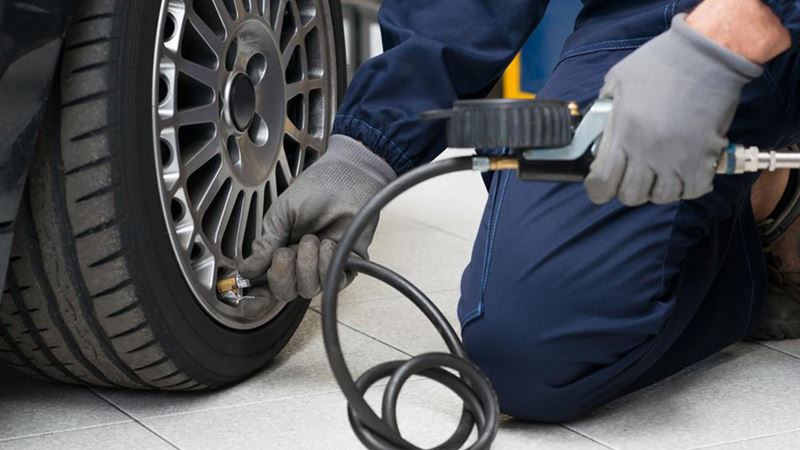
Choosing the right wheel and tire combination for your vehicle is a crucial decision that impacts both aesthetics and performance. Each vehicle is designed with specific wheel diameter sizes in mind, offering a wide array of customization options to enhance its look and driving capabilities. Whether you're aiming for a sporty appearance, improved acceleration, precise cornering, or a smoother ride, understanding the fundamentals of wheel and tire sizing is essential.
To begin this process, you need to be familiar with several key measurements, including the wheel diameter, tire width, and aspect ratio. These factors ensure compatibility and optimal performance. Knowing these measurements enables you to select a package that complements your vehicle’s specifications and your personal preferences.
Once you have a general idea of suitable dimensions, it's vital to consider your primary driving goals. Are you seeking a visual upgrade, better handling, or enhanced ride comfort? Your objectives will guide your choices towards appropriate styling and technical specifications.
During your search, you'll encounter terms like OE, which indicates the Original Equipment size that your vehicle came with from the factory. Additionally, concepts like plus sizing (increasing wheel diameter) and minus sizing (reducing wheel size) are essential to understand, as they affect the overall fitment and performance. Plus 1 sizing signifies adding an inch to the original wheel size, providing a sportier look, while minus 2 sizing indicates reducing the original size by two inches for a more aggressive stance.
Balancing the offset and backspacing is equally critical. These measurements influence how the wheel aligns with the suspension and brake components, affecting driving stability and safety. Proper fitment prevents interference with brakes, suspension parts, and ensures optimal handling around curves and during braking.
Consulting with automotive professionals or experienced tire and wheel specialists can help you make informed decisions. They can recommend the best size and style for your specific vehicle and driving needs, ensuring you get value for your investment.
Many tire shops offer the convenience of testing different wheel and tire combinations by fitting two setups on your vehicle before you make a final choice. This trial period allows you to experience firsthand how each configuration performs and looks, helping you select the perfect set for your vehicle.
In summary, selecting the right wheel and tire package involves understanding your vehicle's specifications, defining your driving objectives, familiarizing yourself with technical terminology, and consulting with experts. This comprehensive approach guarantees that your new wheels and tires will not only elevate your vehicle's appearance but also enhance its handling, safety, and overall driving experience.