
Pros and Cons of Opening a Savings Account: A Comprehensive Guide
This comprehensive article explores the advantages and disadvantages of opening a savings account, emphasizing affordability, connectivity with checking accounts, automated payments, insurance limits, temptation, and minimum balance requirements. It provides a detailed overview for individuals looking to boost their savings strategy and make informed financial decisions.
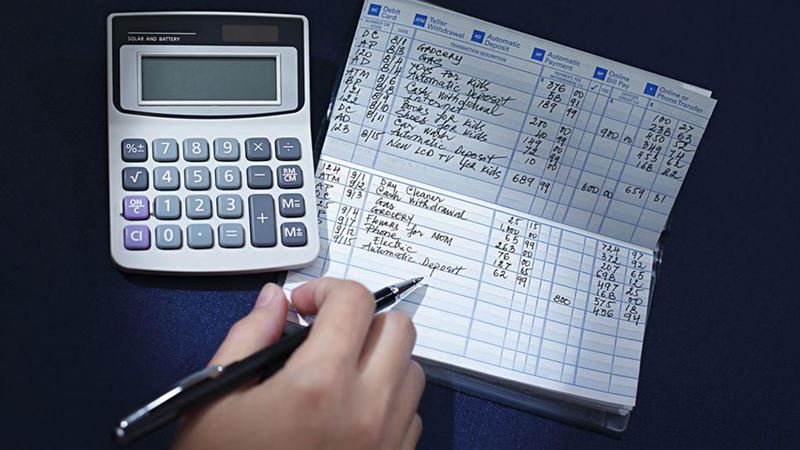
- Low Initial Deposit: Opening a savings account typically requires a minimal initial deposit, making it accessible for almost everyone. Many banks allow new customers to start saving with just $10 or even less, lowering the barrier to entry. This affordability makes savings accounts an attractive option for students, young adults, and anyone looking to start building their financial cushion.
- Integration with Checking Accounts: Most savings accounts can be linked directly to a checking account. This seamless integration allows account holders to transfer funds effortlessly between accounts. During times when immediate cash is needed or balances are low, this feature provides convenience and flexibility, reducing the need to visit the bank physically or make complicated transactions.
- Convenient Automated Payments: Savings accounts often support automated withdrawal or transfer features that enable users to set up recurring payments. These can include bill payments, loan installments, or other automated transfers. While many prefer using credit or debit cards for regular payments, savings accounts can also serve as an effective platform for managing automatic financial commitments, especially for users without credit cards.
Potential Drawbacks of Savings Accounts
- Limited Insurance Coverage: Although savings accounts are generally considered safe, the Federal Deposit Insurance Corporation (FDIC) or the National Credit Union Share Insurance Fund (NCUSIF) provides insurance protection. However, these insurances are capped at specific limits, meaning that if an account’s balance exceeds the insured amount, any excess is exposed to risks. This makes it vital for account holders to monitor their balances and consider diversification of assets for larger sums.
- Discipline Challenges and Temptation: The easy accessibility of funds in savings accounts can sometimes be a double-edged sword. It often leads to impulsive spending, making it difficult to stick to long-term savings objectives. Without strict discipline, funds intended for future needs might be spent prematurely, undermining financial goals.
- Minimum Balance Requirements and Penalties: Many banks mandate a minimum balance for savings account maintenance. Falling below this threshold often results in fees or penalties, which can erode savings over time. It’s crucial for savers to understand these requirements beforehand to avoid unintended charges and to ensure their accounts remain in good standing.