
Embracing Aging Gracefully: Essential Tips for a Healthy and Fulfilling Old Age
Aging is a natural process that affects every part of the body. This comprehensive guide offers practical tips for maintaining health and vitality in old age through lifestyle changes, regular check-ups, and healthy habits. Learn how to embrace aging gracefully and stay active, healthy, and engaged during your later years.
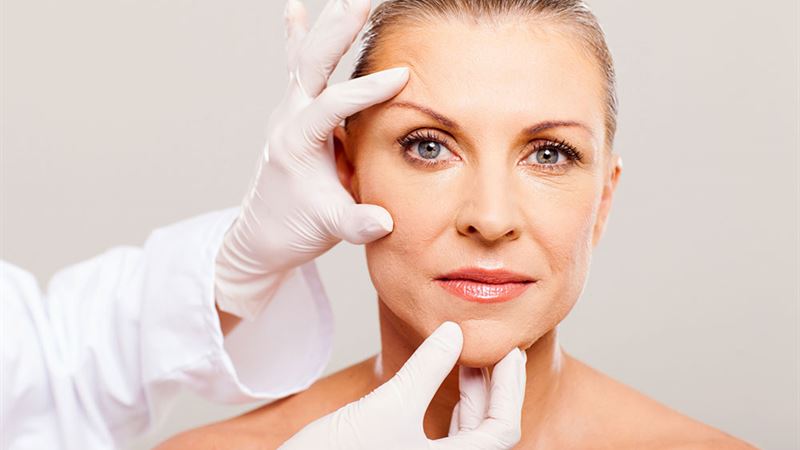
Growing older is an inevitable phase in life that comes with numerous physical and mental changes. Recognizing and understanding these changes can empower you to take proactive steps toward a healthier, more vibrant aging process. Many people initially notice signs of aging such as graying hair and skin changes, but the truth is that aging affects every system within the body, impacting overall vitality and well-being. The good news is that with proper care, lifestyle adjustments, and regular medical check-ups, you can significantly improve your quality of life and age with confidence.
The Biological Changes Associated with Aging
As we get older, our bodies undergo complex biological transformations that influence nearly every organ system. Understanding these processes helps us develop effective strategies to maintain health and avoid age-related diseases. Here are some of the key changes that occur as part of natural aging:
- Cardiovascular System: The heart muscles tend to stiffen with age, decreasing their flexibility and efficiency. This can lead to higher blood pressure, increased risk of cardiovascular diseases, and reduced endurance during physical activity. Coronary arteries may develop fatty deposits, narrowing blood flow, which increases the likelihood of heart attacks.
- Skeletal System: Bones tend to lose density and become more fragile over time, resulting in conditions like osteoporosis. This makes bones more prone to fractures and injuries, especially following falls or minor trauma. Simultaneously, physical stature can decrease, giving the appearance of shrinking in height.
- Muscle Mass and Flexibility: Muscle tissue diminishes in volume and strength, leading to decreased endurance and mobility. Joints may become stiffer and less lubricated, making movement uncomfortable and increasing the risk of joint diseases such as arthritis.
- Neurological and Cognitive Function: Brain volume gradually reduces, affecting memory, concentration, and coordination. Cognitive decline varies among individuals, but some may experience forgetfulness or difficulty processing new information. This change underscores the importance of mental stimulation and physical activity to help maintain cognitive health.
- Digestive and Urinary Tracts: The digestive system's efficiency decreases, leading to slower motility and absorption of nutrients. This can cause issues like indigestion or constipation. The urinary system also weakens, resulting in increased frequency of urination and potential incontinence problems.
- Sensory Organs: Vision and hearing decline with age. Presbyopia, cataracts, and macular degeneration impair eyesight, while age-related hearing loss (presbycusis) affects communication and safety, emphasizing the importance of regular eye and ear check-ups.
While these changes are natural, they can be managed effectively to lead a fulfilling life. The key is adopting preventive measures that promote health and minimize risks associated with aging.
Strategies for a Healthier Aging Process
Preventive health care and lifestyle modifications play a crucial role in ensuring that aging does not diminish your quality of life. Here are practical tips on how to embrace aging gracefully and stay healthy well into your golden years:
- Maintain an Active Lifestyle: Engage in regular physical activities suited to your ability. Whether it’s walking, swimming, yoga, or low-impact aerobics, movement is vital for cardiovascular health, muscle strength, flexibility, and mental well-being. Aim for at least 150 minutes of moderate exercise weekly, but always consult with your healthcare provider before starting new routines.
- Regular Medical Check-ups: Routine health screenings are essential for early detection of potential issues such as hypertension, diabetes, or cholesterol. Regular visits to your doctor enable you to address health concerns promptly and adjust your treatment plans as needed.
- Adopt a Nutrient-Rich Diet: Focus on a balanced diet rich in fruits, vegetables, whole grains, lean proteins, and healthy fats. Limit intake of processed foods, sugary snacks, and excess salt. Proper nutrition supports bone health, boosts immunity, and maintains energy levels.
- Limit Alcohol and Quit Smoking: Alcohol and tobacco use accelerate the aging process by damaging vital organs such as the liver, lungs, and heart. Reducing alcohol consumption and quitting smoking significantly improves longevity and quality of life.
- Prioritize Mental and Social Engagement: Keep your mind active through reading, puzzles, or educational activities. Maintaining social connections helps prevent loneliness, depression, and cognitive decline. Participation in community or recreational programs can be beneficial.
- Get Adequate Sleep and Manage Stress: Quality sleep is essential for physical and mental health. Practice good sleep hygiene and incorporate relaxation techniques like meditation or deep breathing exercises to manage stress levels.
- Practice Safety Measures: Minimize fall risks by removing household hazards, using assistive devices if necessary, and ensuring proper lighting. Protect your eyesight and hearing with regular screenings and appropriate corrective devices.
In conclusion, aging is a natural process that can be navigated with knowledge and proactive care. Emphasizing a balanced lifestyle, routine health checks, and healthy habits can help you enjoy your later years with vitality and happiness. Remember, the goal is not just to add years to life but to add life to your years.