
Comprehensive Guide to Understanding and Securing Student Loans
This comprehensive guide explores the reasons for seeking student loans, highlighting their accessibility and benefits. It also emphasizes alternative funding options like scholarships, part-time work, and choosing affordable colleges, aiming to help students make informed financial decisions for higher education. Proper planning can reduce debt and support long-term financial stability post-graduation.
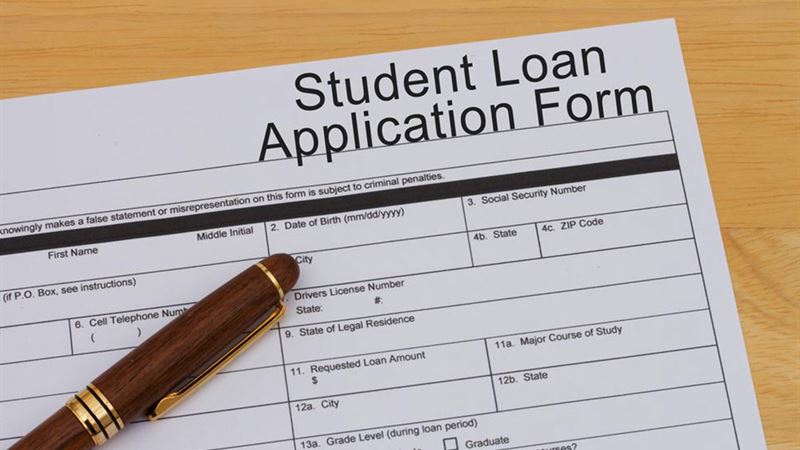
Ease of Access: Obtaining a student loan is relatively straightforward. The process is designed to accommodate students pursuing higher education, acknowledging that many may lack sufficient funds upfront. Government-backed loan programs and private lenders often offer simplified application procedures, making it easier for students to secure the necessary funds to support their studies. Interest rates on student loans tend to be lower compared to other types of loans since they are considered low-risk investments and are primarily repaid after graduation when students are more financially stable.
Although borrowing through student loans is a common and convenient method to finance education, exploring alternatives is highly recommended. There are several options that can reduce or eliminate the need for loans, minimizing future debt burdens:
Scholarships and Grants: These are forms of financial aid that do not require repayment. Scholarships are awarded based on academic achievement, talents, or specific criteria such as community service or demographics. Grants, often provided by government agencies or educational institutions, also offer free money to students in need. Securing scholarships and grants can significantly offset tuition costs, sometimes covering the entire expense or a substantial part thereof.
Part-Time Employment: Working part-time during college years can provide a steady income stream to cover some or all educational expenses. While balancing work and study can be challenging, many students find that a part-time job enhances their time management skills and provides valuable work experience. This approach not only helps in reducing reliance on loans but also prepares students for post-graduation employment challenges.
Attending More Affordable Institutions: Choosing colleges with lower tuition fees or public universities can be a strategic way to reduce educational costs. Although it might involve compromises regarding location or program offerings, attending less expensive colleges can lessen the financial burden, making student loans less necessary. For students with tight budgets, prioritizing affordability can be crucial in avoiding excessive debt after graduation.
In summary, while student loans are a vital resource for financing higher education, considering alternative methods such as scholarships, work-study options, and choosing cost-effective colleges can lead to more sustainable financial planning. Educating oneself about available options and planning ahead can help students make informed decisions, ensuring that their pursuit of education does not turn into a long-term financial burden.