
Ultimate Guide to Safe and Effective Body Exfoliation for Healthy Skin
Discover a comprehensive guide to body exfoliation that enhances skin health and beauty. Learn proper techniques, suitable products, and post-treatment care to achieve radiant, smooth skin. This detailed article covers everything from gentle cleansing to advanced exfoliation methods, helping you develop an effective routine that promotes healthy skin while preventing irritation. Perfect for skincare enthusiasts looking to optimize their body care routine for glowing, youthful skin, it emphasizes safety, consistency, and effective practices that lead to a noticeable transformation.
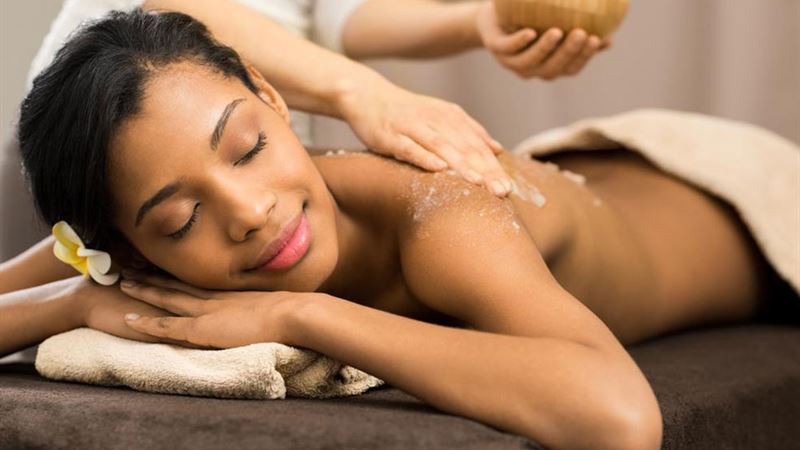
Understanding the Importance of Body Exfoliation
Exfoliation is a crucial step in maintaining healthy, glowing skin. As we age, our skin's natural renewal process slows down, leading to a buildup of dead skin cells that can make the skin appear dull, uneven, and lackluster. Regular exfoliation helps remove these old cells, revealing fresh, new skin underneath. It also prevents clogged pores, reduces the likelihood of breakouts, blackheads, and pimples, and enhances the effectiveness of skincare products by allowing them to penetrate deeper.
Choosing the Right Cleansers and Exfoliants
- Gentle Cleansing: Begin your routine with a mild cleanser that suits your skin type. Look for calming ingredients such as rose, lavender, or chamomile extracts, which soothe and refresh the skin without stripping natural oils.
- Exfoliating Agents: For physical exfoliation, opt for soft scrubs or brushes that do not cause micro-tears. For chemical exfoliation, products containing alpha-hydroxy acids (AHAs) like glycolic acid or lactic acid are effective in dissolving dead cells and promoting skin renewal.
Effective Body Exfoliation Techniques
Manual Exfoliation
Using a gentle scrub or body brush can physically slough off dead skin layer. When doing manual exfoliation, use circular motions to avoid irritation and focus on areas prone to roughness, such as elbows, knees, and heels. Avoid over-scrubbing, which can damage your skin’s protective barrier.
Chemical Peels
Chemical exfoliants containing AHAs or BHAs can be applied as lotions or masks to loosen dead skin cells with less physical abrasion. These are particularly suitable for sensitive skin or for those who prefer a less abrasive method.
Incorporating Steaming into Your Routine
Steaming has long been a trusted method for preparing the skin for exfoliation. It opens pores, loosening dirt and oils, making subsequent cleansing and exfoliation more effective. Historically used for relaxation, hygiene, and health benefits, steaming also boosts blood flow, giving the skin a healthy glow. However, moderation is key as excessive steaming can dehydrate the skin and dilate pores excessively, leading to increased oil production and potential breakouts.
It’s recommended to limit steaming sessions to once a month or less, ensuring your skin stays hydrated and resilient.
Applying Face and Body Masks
- Clay Masks: Clay-based masks help absorb excess oil, impurities, and tighten pores. Select masks that balance pH levels and suit your skin type for optimal results.
- Nourishing Masks: Look for masks packed with minerals, antioxidants, and hydrating ingredients that reveal soft, luminous skin after use. They also calm irritation and restore moisture balance.
Post-Exfoliation Hydration and Care
After exfoliating, your skin is more receptive and vulnerable, so locking in moisture is critical. Use a high-quality moisturizer tailored to your skin’s needs—be it oily, dry, or sensitive—to nourish and protect. Ingredients like hyaluronic acid, glycerin, and natural oils help retain hydration, restore the skin’s barrier, and improve overall texture.
The Do’s and Don’ts of Body Exfoliation
- Do: Exfoliate regularly but not excessively; give your skin time to heal between sessions.
- Don’t: Over-exfoliate, which can cause irritation, redness, and dryness. Avoid exfoliating immediately after waxing, as the skin is still healing and vulnerable to damage.
- Protection: Always apply sunscreen after exfoliation. UV rays can worsen skin damage and sensitivities caused by exfoliation.
- Consistency: Maintain a routine that balances exfoliation, hydration, and sun protection for lasting results.
Conclusion
Body exfoliation is an essential part of skincare that helps you achieve radiant, healthy skin. By selecting the right products, using proper techniques, and incorporating regular steaming and masking, you can enhance your skin’s appearance while maintaining its health. Remember to be gentle, avoid overdoing it, and always protect your skin afterward. With patience and consistency, your body can look and feel its best at all times.