
Enhancing School Security with Advanced Wireless Surveillance Solutions
This comprehensive guide explores the vital role of wireless security cameras in school safety. It covers various camera types, their features, and how they help create a secure environment for students and staff. Emphasizing modern technology, the article highlights how schools can effectively monitor both indoor and outdoor areas, detect suspicious activity, and respond promptly to emergencies. Implementing these security solutions is crucial for preventing incidents of vandalism, intrusion, or violence, ultimately fostering a safer educational environment for everyone.
These high-performance cameras provide comprehensive 360-degree coverage, making them ideal for monitoring hallways, large classrooms, and common areas. With their wide-angle lens, a single dome camera can oversee a significant portion of a room, reducing blind spots and increasing surveillance efficiency. They are equipped with vandal-resistant enclosures and night vision capabilities, ensuring security both day and night.
Installed at strategic points, fixed lens cameras focus on specific entryways such as main entrances, emergency exits, or loading docks. Their fixed angle allows for detailed observation of critical spots where security risks are higher. These cameras are favored for their simplicity, durability, and ease of maintenance.
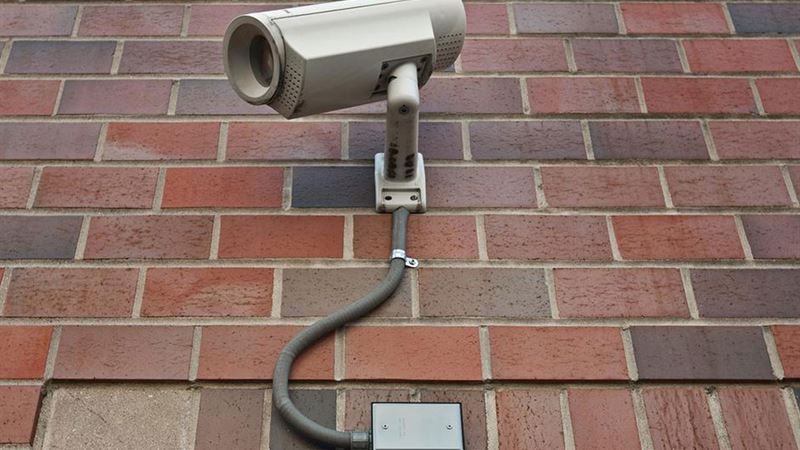
Placed at various external points around the school perimeter, outdoor cameras help monitor sports grounds, parking lots, and surrounding streets. Wireless technology allows for flexible placement, ensuring comprehensive external surveillance without the need for extensive wiring. They are equipped with weatherproof casings and infrared night vision to function reliably in diverse weather conditions.
Designed to activate upon detecting movement, these cameras are particularly useful in restricted areas such as rooftops, power rooms, or storage areas. They send instant alerts to security personnel, enabling quick response to any suspicious activity. Motion detection reduces the need for constant monitoring, saving time and resources.
These versatile cameras are capable of remotely adjusting their angle, zooming in on specific incidents for detailed observation. Security teams can control these cameras via a centralized system to track movements within large areas, such as playgrounds or school grounds, enhancing situational awareness.
Educational institutions increasingly recognize the importance of modern security measures to safeguard students, staff, and campus property. Wireless security cameras provide real-time monitoring, ease of installation, and remote access, making them an indispensable part of any school's security infrastructure. By deploying a combination of dome, fixed, outdoor, motion detection, and adjustable cameras, schools can create a layered defense that quickly detects and responds to threats such as vandalism, intrusions, or even potential violent incidents.