
Comprehensive Guide to Church Pews: Types, Designs, and Materials
Explore the comprehensive world of church pews, including traditional, modern, and colonial-inspired designs. Learn about materials like oak and maple, different configurations, and customization options that enhance comfort, durability, and aesthetics in worship spaces. Discover how choosing the right pews can elevate the atmosphere of your church, blending tradition with modern innovation to create inviting, long-lasting seating solutions that serve congregations for years to come.
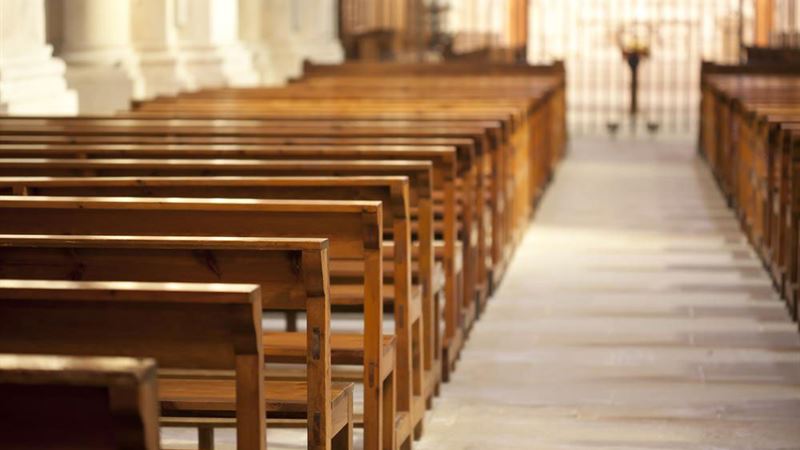
Church furniture plays a crucial role in shaping the aesthetic and functional aspects of worship spaces. Among the key elements are church pews, which serve as the primary seating arrangement for congregants. Understanding the various types, materials, and design features of church pews can help church leaders, designers, and congregants appreciate their significance and make informed choices when selecting pews for their worship facilities. As times evolve, so do the styles and functions of church seating, blending tradition with modern innovation to create welcoming, durable, and aesthetically pleasing environments.
Modern church pews showcase sophisticated, minimalistic designs characterized by matte finishes and streamlined profiles. These contemporary pews contrast with traditional models by emphasizing simplicity and elegance, fitting seamlessly into modern architectural churches. Their sleek lines and muted tones contribute to a clean visual environment that enhances the overall spiritual ambiance. Modern pews are designed to complement contemporary church interiors, which often feature open spaces, high ceilings, and modern art influences.
On the other hand, traditional church pews draw inspiration from colonial and classical furniture design. These seats often feature detailed carvings, ornate motifs, and a sense of historical grandeur. Traditional pews typically exclude imperial motifs but incorporate geometric patterns like rectangles or domes that echo historical design principles. Motifs such as floral patterns, crosses, or decorative accents enrich the aesthetic value of these pews. Colonial-style ends tend to be more robust, often with thicker panels, raised edges, and sharp corners, providing a sense of durability and heritage. Such designs evoke a sense of historical reverence and connect congregations with their spiritual ancestors.
The design and material selection of church pews significantly influence their longevity, comfort, and visual appeal. Wood remains the preferred material for most church pews, with options such as Oak, Maple, and Walnut. Oak wood is renowned for its strength and durability, ensuring that the pews stand the test of time even in high-traffic settings. Maple offers a lighter, smoother finish suitable for contemporary décors, contributing to the clean, minimal look popular today. The choice of wood is often dictated by the church's budget and aesthetic preferences. High-quality wood, combined with proper craftsmanship, guarantees a long lifespan and reduces the need for frequent maintenance or replacement.
Seating styles and configurations vary widely in church pews, tailored to maximize space efficiency and comfort. Curved pews are designed to maximize seating capacity and facilitate smooth sightlines, making them ideal for large congregations or special event spaces. Their curved layout allows better interaction among seated members while optimizing the use of available space. Straight pews remain the most traditional and widely used style, arranged in rows facing the altar or pulpit, fostering focus during services. Mitered pews offer an alternative balance, utilizing angled joints to create a more compact and space-efficient seating arrangement, sometimes with increased seating capacity compared to traditional straight configurations.
Beyond basic design, the customization options for church pews have expanded considerably. Many pews feature upholstered seats or backs, offering enhanced comfort during lengthy services and ceremonies. Upholstery materials range from leather and vinyl to fabric, with choices influenced by budget, aesthetics, and ease of maintenance. Some church pews incorporate full seating that includes upholstered cushions, combined with wood frames for durability. Others combine upholstered seats with wooden backs and sides for a blend of comfort and traditional appeal. The integration of padding and ergonomic design ensures that congregants remain comfortable and engaged during worship experiences, making seat comfort a key consideration in modern church furniture design.
Additional design variations include standing-room configurations, adjustable features, and modular arrangements that can be easily reconfigured for different service formats. For example, some pews come with fold-up or movable seats, allowing flexible adaptation for events such as weddings, funerals, or community gatherings. Material finishes like stain, paint, or varnish allow churches to match their pews to existing interior decor, whether contemporary or historic. The overall goal is to create a harmonious environment that respects tradition yet accommodates modern needs, ensuring that the seating arrangement enhances the spiritual and communal experience.
In summary, choosing the right church pew involves considering factors such as design style, material quality, seating comfort, and space efficiency. Whether leaning towards traditional, colonial-inspired designs or modern, minimalist styles, churches can find options that reflect their identity while serving their functional needs. Durable materials like oak and maple improve longevity, while customizable features like upholstery and modular arrangements enhance comfort and flexibility. Thoughtful selection and placement of church pews significantly contribute to creating welcoming worship spaces that foster community, reverence, and timeless beauty. By understanding the nuances of different pew styles and materials, church leaders can make informed decisions that will serve their congregation for generations to come.
Ultimately, investing in quality church pews not only elevates the aesthetic appeal of the worship space but also affirms the church’s dedication to providing a comfortable, inspiring environment for all attendees. From traditional to contemporary designs, the many options available today make it possible to find the perfect seating solution that aligns with the church’s mission, budget, and architectural style. Thoughtful customization and careful selection ensure that each church space becomes a true sanctuary of worship and community, standing the test of time and enriching the spiritual lives of its members for decades ahead.