
Key Reasons to Reconsider Undergoing Cosmetic Surgery
This comprehensive article discusses important reasons to reconsider cosmetic surgery, including financial costs, health risks, psychological impacts, and the unpredictability of results. It emphasizes understanding the potential complications and encourages self-acceptance over unrealistic beauty standards. Making an informed decision is crucial to avoid regrets and health issues associated with cosmetic procedures, advocating for a balanced approach to personal appearance and well-being.
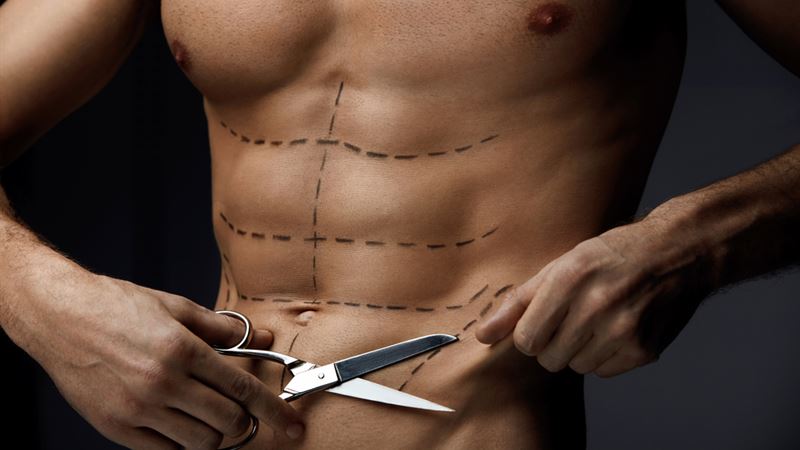
In recent years, cosmetic surgery has gained significant popularity worldwide, with many individuals seeking to enhance their appearance and boost self-confidence. However, before deciding to undergo such procedures, it is crucial to understand the numerous implications involved. Cosmetic surgeries, whether surgical or non-invasive, come with a range of considerations that might make you think twice. These procedures can be costly and may not always deliver the desired results. Moreover, they pose various health risks and can have lasting psychological effects. This comprehensive article explores why you should carefully evaluate the decision to opt for cosmetic surgery, highlighting the financial, physical, and mental factors that are often overlooked.
First, the financial aspect of cosmetic surgeries warrants thorough consideration. These procedures often come with a hefty price tag, which can lead many individuals to incur substantial debt. The costs do not end with the initial operation; follow-up treatments, touch-ups, and potential revisions can accrue additional expenses over time. For some, this financial burden may become overwhelming, especially if the results do not meet expectations or complications arise. Furthermore, cosmetic surgeries can lead to lost income due to recovery time, affecting personal budgets significantly. It's essential to weigh whether the benefits outweigh these financial commitments before proceeding.
Beyond the monetary concerns, physical risks associated with cosmetic procedures are also significant. While modern techniques have reduced some dangers, all surgeries carry inherent risks, especially for individuals with pre-existing health conditions such as heart problems, high blood pressure, or obesity. Anesthesia complications, infections, scarring, blood clots, and nerve damage are some of the potential adverse effects. Reading and understanding the consent form is vital, as it outlines possible complications, allowing patients to make informed decisions about their health. It's also important to recognize that some side effects or complications might not become apparent immediately and could manifest later.
Interestingly, cosmetic surgery can sometimes be addictive. The desire to achieve perfection often leads individuals into a cycle of repeated procedures, with some spending vast amounts of money trying to alter their appearance continually. Such pursuits can have profound psychological effects and may result in a distorted self-image. In extreme cases, individuals may undergo several surgeries, risking their physical health and emotional well-being, all in the quest for an ideal look. This obsession can culminate in significant financial strain and irreversible bodily harm, emphasizing the importance of realistic expectations and mental health considerations before opting for any procedure.
Another essential factor is the unpredictability of surgical outcomes. Despite skilled surgeons and advanced technology, the final result can sometimes fall short of expectations. There’s always a possibility that you might not be satisfied with your appearance post-surgery or that the result looks unnatural. In such cases, additional procedures might be necessary, further increasing costs and risks. Moreover, once a procedure is done, reversing or modifying it can be complicated, expensive, and sometimes impossible. Therefore, understanding that perfection is not guaranteed helps in making a balanced decision regarding cosmetic alterations.
Lastly, the emotional and psychological impacts of cosmetic surgery should not be underestimated. Society’s standards of beauty and pressure to conform can influence individuals deeply, sometimes leading to dissatisfaction and regret. The internal struggle between self-acceptance and societal expectations can cause emotional distress, especially if the results do not align with personal or societal ideals. Consulting mental health professionals before undergoing surgery can be beneficial, providing emotional support and realistic insights into what the procedure can achieve and what it cannot.
In conclusion, while cosmetic surgery might seem like an easy solution to enhance appearance, it carries numerous risks and considerations that should not be overlooked. From financial burdens and health risks to psychological effects and the potential for disappointment, it’s vital to approach such decisions with caution. Educating oneself about the possible complications and having clear, realistic expectations can prevent future dissatisfaction. Ultimately, embracing natural beauty and focusing on self-acceptance might be the healthier and more fulfilling path.