
Comprehensive Guide to Selecting and Using Protein Supplements for Optimal Health
Discover the essential guide to choosing the right protein powders, their health benefits, proper usage, and tips for maximizing fitness goals. Learn about various types including whey, casein, plant-based options, and how to select the best one for your needs to support muscle growth, weight management, and recovery effectively.
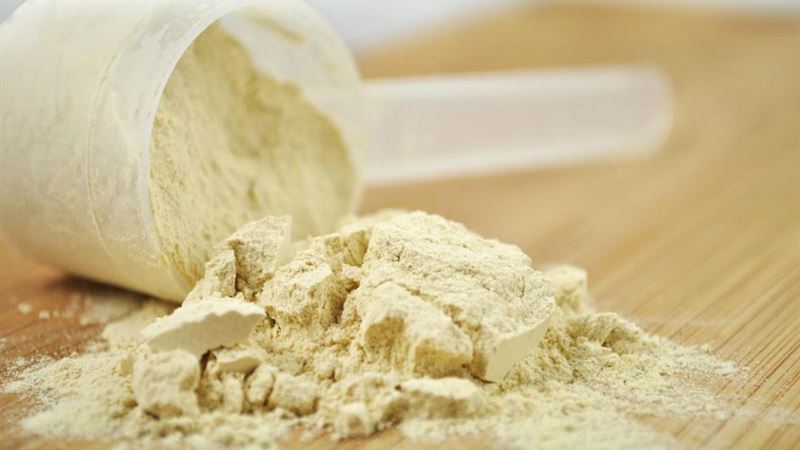
Incorporating protein supplements into your daily diet can be an effective way to meet your nutritional needs, support muscle growth, and enhance overall health. Whether added to smoothies, mixed with beverages, or used in recipes, protein powders are versatile, convenient, and readily available. Understanding the different types of protein powders, their benefits, proper usage, and considerations can help you make informed choices tailored to your fitness and health goals.
Protein supplements come in various forms, each with unique properties suited for different dietary preferences and health objectives. The most frequently used types include whey, casein, soy, pea, hemp, brown rice, and mixed plant-based proteins. Each offers specific advantages, making it essential to select the right type based on your individual needs.
The Benefits of Protein Powder
Proteins are fundamental to our body's structure and function. They play a vital role in building and repairing tissues, producing enzymes and hormones, supporting immune function, and providing a sustained source of energy. Regular intake of adequate protein supports muscle development, enhances recovery after exercise, reduces body fat, and promotes satiety, preventing overeating. For athletes, bodybuilders, vegetarians, vegans, or individuals recovering from injury, incorporating the appropriate protein supplement can help meet increased nutritional demands and optimize health outcomes.
Additionally, protein consumption helps maintain stable blood sugar levels and supports metabolic health. It can be particularly beneficial for older adults aiming to preserve muscle mass and strength, which naturally decline with age—a condition known as sarcopenia. Therefore, understanding the right amount, timing, and type of protein intake is crucial for maximizing benefits.
When Should You Consider Using Protein Supplements?
While many individuals can meet their daily protein requirements through a balanced diet, certain groups might benefit from supplementation. These include athletes and physically active individuals engaging in strenuous training routines, adolescents experiencing growth spurts, people preparing for athletic competitions, those adopting vegan or vegetarian diets, and anyone recovering from illness, surgery, or injury.
Timing also matters; consuming protein shortly after workouts supports muscle repair and growth. Alternatively, using protein as a meal replacement or snack option can help control hunger and reduce unhealthy snacking habits throughout the day.
How Much Protein Do You Need?
Daily protein requirements vary depending on age, activity level, and overall health. According to the American College of Sports Medicine, the general recommendation for average adults is about 0.8 grams of protein per kilogram of body weight. However, active individuals, athletes, and those in recovery stages often require more.
- Recreational athletes: 1.1 to 1.4 grams per kg
- Endurance athletes: around 2.0 grams per kg
- Competitive sports athletes: 1.2 to 1.4 grams per kg
- Muscle builders and strength athletes: 1.5 to 2.0 grams per kg
It is essential to tailor your protein intake according to age, weight, and activity level. Generally, most Americans receive sufficient protein from their daily diets; however, supplementation might be necessary in specific situations.
Potential Risks of Excess Protein Consumption
While protein is vital, consuming excessively high amounts can pose health risks. The FDA does not regulate or monitor protein powders rigorously. Excessive intake can strain kidneys and liver, potentially leading to damage over time, especially for individuals with pre-existing conditions. When consumed in moderation, surplus protein may be converted into energy or excreted as waste, but consistently high levels are not advisable.
Symptoms of overconsumption include dehydration, gastrointestinal discomfort, and increased strain on renal function. Therefore, it is advisable to consult healthcare professionals before starting any supplement regimen—particularly if you have existing health issues.
Choosing the Right Protein Powder
With a plethora of options available on store shelves and online, selecting the best protein powder tailored to your needs might be overwhelming. Consider factors such as your age, fitness goals, dietary restrictions, budget, and taste preferences before making a decision.
- Whey Protein:
This is a byproduct of cheese production and is extremely popular due to its rapid absorption and complete amino acid profile. It’s ideal for post-workout recovery, muscle building, and fat reduction. However, it contains lactose, which may be problematic for lactose-intolerant individuals. For lactose-sensitive users, choosing lactose-free or non-GMO options like Legion Athletics’ Whey+ Protein Powder is recommended. MuscleTech’s NitroTech is another high-quality choice for muscle growth. - Casein Protein:
Derived from milk, casein digests more slowly, providing a sustained release of amino acids, making it suitable for bedtime consumption or extended periods of fasting. It helps prevent muscle breakdown and supports weight management. Products like Optimum Nutrition Gold Standard 100% Casein Powder are popular among users seeking slow-digesting protein sources. - Pea Protein:
A plant-based, vegan-friendly alternative that offers complete protein, rich in essential amino acids. It is gentle on digestion, helps control blood pressure, and promotes muscle growth. Pea protein powders devoid of artificial additives and sugars, such as Naked Pea or Nutiva’s Organic Hemp Protein, are excellent options for health-conscious and plant-based consumers. - Hemp Protein:
Rich in omega-3 fatty acids, it is easy to digest and contains all essential amino acids. Hemp protein supports muscle repair, cardiovascular health, and inflammation reduction. Good brands include Bob’s Red Mill Hemp Protein Powder and Nutiva’s Organic Hemp Protein. - Brown Rice Protein:
Made from sprouted brown rice, this gluten-free option is suitable for vegans and those with dietary restrictions. It aids in weight loss, muscle building, and general health. Popular choices include NutriBiotic Rice Protein and Naked Rice Organic Brown Rice Protein Powder. - Combined Plant Protein Blends:
These powders combine multiple plant sources such as rice, pea, hemp, chia seeds, quinoa, and artichoke to offer a complete amino acid profile. They’re excellent for vegans, vegetarians, and those targeting weight management. PlantFusion’s Complete Plant-Based Protein in vanilla flavor and Orgain’s Vegan Organic Shake are versatile and tasty options. They’re gluten-free, low-calorie, and low-carb, making them suitable for various dietary goals.
Ultimately, the best protein supplement aligns with your individual health needs, taste preferences, and fitness objectives. Always consult with a healthcare professional before adding new supplements to your routine, especially if you have underlying health conditions. When used appropriately, protein powders can significantly enhance weight loss, muscle gain, tissue repair, and immune system support, contributing to overall well-being and vitality.