
Comprehensive Guide to Natural and Conventional Strategies for Managing Elevated Cholesterol Levels
Explore a detailed overview of natural and medical strategies to lower high cholesterol levels, promoting heart health. Learn about herbal remedies, dietary changes, and conventional medications to effectively manage cholesterol. Emphasize prevention and consulting healthcare professionals for personalized treatment. This guide provides comprehensive insights to support cardiovascular health naturally and safely.
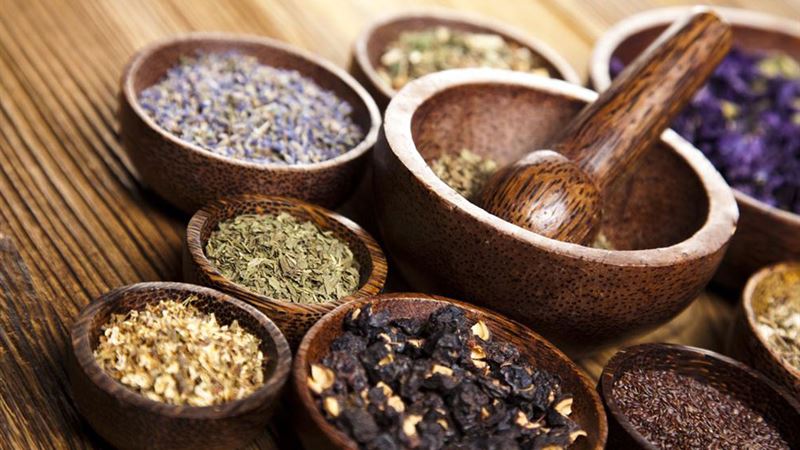
High cholesterol levels are a common health concern that can significantly increase the risk of cardiovascular diseases. Managing this condition often requires a combination of lifestyle changes, dietary modifications, and sometimes medication. Fortunately, numerous natural remedies and conventional treatments are available to help lower cholesterol levels and promote heart health. This comprehensive guide explores a variety of effective strategies, from herbal supplements to medical interventions, offering valuable insights into managing high cholesterol safely and effectively.
Herbal Remedies and Natural Supplements
- Astragalus
Astragalus, a prized herb in traditional Chinese medicine, has long been used to boost the immune system, minimize inflammation, and combat bacterial infections. Recognized as an adaptogen, it helps the body adapt to stress and protect itself against various health issues. Modern research indicates that Astragalus may also have cardiovascular benefits, such as improving blood circulation and reducing cholesterol buildup, making it a promising natural remedy for high cholesterol management. Its anti-inflammatory properties help in preventing arterial damage, which is crucial in reducing the risk of atherosclerosis.
- Hawthorn
Hawthorn is a shrub belonging to the rose family, historically employed in traditional medicine for heart-related health issues. Its leaves, berries, and flowers have been utilized since Roman times to treat mild heart failure and improve cardiac function. Although some studies suggest hawthorn could aid in cardiovascular health, there is limited scientific evidence directly linking it as a primary treatment for high cholesterol. Still, it may support overall heart health and aid in managing symptoms associated with cardiovascular conditions.
- Flaxseed
Derived from the flax plant, flaxseed is rich in alpha-linolenic acid (ALA), a form of omega-3 fatty acid. Omega-3s are vital for maintaining heart health, reducing inflammation, and lowering cholesterol levels. Research indicates that incorporating flaxseed into the diet can effectively lower LDL (bad cholesterol) and improve overall lipid profiles, especially in individuals with high cholesterol or postmenopausal women. Flaxseed can be added to cereals, smoothies, baked goods, or consumed as oil, offering a versatile way to support heart health naturally.
- Fatty Fish Rich in Omega-3
Consuming fatty fish like salmon, tuna, herring, lake trout, and sardines provides a natural source of omega-3 fatty acids, which are well-known for their cardiovascular benefits. These nutrients help reduce triglycerides, lower blood pressure, and prevent clot formation. Fish oil supplements, derived from these fatty fish, can be an effective option for those unable to incorporate sufficient fish into their diet. Regular consumption—at least once or twice weekly—can significantly lower the risk of heart attacks and strokes. Other omega-3-rich foods include walnuts, canola oil, and soybeans, which further contribute to heart-healthy diets.
- Garlic
Garlic has been used both as a culinary ingredient and medicinal herb for thousands of years. Raw garlic can be consumed directly or added to various dishes, while supplements and capsules offer convenient alternatives. Studies suggest that garlic can reduce blood pressure, lower LDL cholesterol, and slow the progression of atherosclerosis. Regular intake over a period of three months has demonstrated considerable benefits, making garlic a natural, accessible method to support cardiovascular health and manage high cholesterol levels.
- Red Yeast Rice
Red yeast rice, a traditional Chinese food and medicine, is produced by fermenting rice with red yeast. Some commercial varieties contain significant amounts of monacolin K, a compound chemically identical to lovastatin, a common cholesterol-lowering drug. Consuming red yeast rice containing monacolin K can effectively lower LDL cholesterol levels. However, the product’s quality varies, and some may contain contaminants like citrinin, which poses health risks such as kidney damage. Therefore, caution is advised, and medical guidance is essential before using red yeast rice supplements to restore lipid balance.
- Plant Stanol and Sterol Supplements
Plant sterols and stanols are naturally occurring compounds found in fruits, vegetables, grains, nuts, and seeds. These substances are also added to several processed foods, including margarine, yogurt, and orange juice, to help reduce cholesterol absorption in the intestines. By blocking the absorption of dietary and biliary cholesterol, they effectively lower LDL cholesterol levels. Incorporate these fortified foods into your diet as part of a comprehensive approach to managing high cholesterol and reducing the risk of cardiovascular disease.
In addition to natural remedies, conventional medications such as statins, niacin, ezetimibe, fibrates, and bile acid sequestrants are prescribed by healthcare professionals to control elevated cholesterol levels. While lifestyle modifications are fundamental, medication can provide significant support when necessary. Prevention remains the most effective approach, emphasizing the importance of maintaining a balanced diet, regular exercise, stress management, and avoiding habits like smoking and excessive alcohol consumption.
It is crucial to consult a healthcare provider immediately if you experience symptoms of high cholesterol or have risk factors. Accurate diagnosis and personalized treatment plans ensure safe management. Regular health check-ups are also recommended, even if no symptoms are present, to detect early signs of lipid abnormalities and prevent serious cardiovascular complications.