
Comprehensive Strategies for Managing Type 2 Diabetes Effectively
Discover comprehensive strategies for managing type 2 diabetes, including dietary choices, exercise routines, blood sugar monitoring, and advanced medical treatments such as insulin therapy and bariatric surgery. Learn how to optimize blood sugar control and improve quality of life through personalized care plans tailored to individual needs.
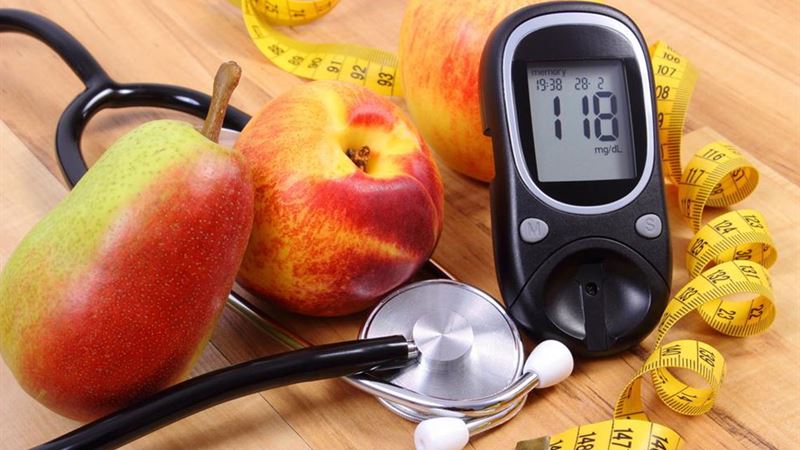
Type 2 diabetes is a chronic metabolic disorder characterized by elevated blood sugar levels resulting from insulin resistance or insufficient insulin production. Managing this condition requires a multifaceted approach that includes dietary modifications, physical activity, blood sugar monitoring, and medication adherence. As the prevalence of type 2 diabetes continues to rise worldwide, understanding the comprehensive management strategies becomes essential for patients, healthcare providers, and caregivers alike.
Understanding how various factors influence blood sugar levels can greatly improve the quality of life for those affected. From understanding the glycemic index of foods to implementing effective exercise routines and medication plans, each element plays a critical role in controlling the disease and preventing complications.
The Significance of Glycemic Index in Diabetic Nutrition
The glycemic index (GI) is a numerical system that measures how quickly foods containing carbohydrates raise blood glucose levels after eating. This tool helps individuals make informed dietary choices to better manage their blood sugar. Foods with a high GI are rapidly digested and cause quick spikes in blood glucose, which can be risky for individuals with type 2 diabetes. Conversely, low-GI foods are digested more slowly, resulting in more gradual blood sugar increases.
For diabetics, prioritizing low-GI foods can lead to better blood sugar stability and improved long-term health outcomes. Such foods are often rich in dietary fiber, which slows down digestion and absorption. Common low-GI foods include whole grains, legumes, most fruits, non-starchy vegetables, nuts, and seeds. These choices help maintain consistent glucose levels, reduce insulin spikes, and support overall metabolic health.
Incorporating low-GI foods into daily meals, combined with portion control and balanced nutrition, can significantly influence disease management. Additionally, understanding the impact of food processing and preparation methods on glycemic responses can further refine dietary strategies.
Role of Regular Physical Activity in Managing Type 2 Diabetes
Physical activity is a cornerstone of diabetes management. While everyone benefits from daily aerobic exercise, individuals with type 2 diabetes, in particular, need to incorporate consistent movement into their routines. Exercise enhances insulin sensitivity, facilitates blood sugar regulation, and contributes to weight management, which is crucial for controlling the disease.
Before starting any new exercise regimen, it is vital for diabetics to consult healthcare professionals to tailor activities according to their health status. Activities that are enjoyable and sustainable tend to be more effective in maintaining long-term routines. Popular options include walking, cycling, dancing, swimming, and even gardening.
Experts recommend engaging in at least 150 minutes of moderate aerobic activity per week, such as brisk walking or cycling, spread across most days. Additionally, incorporating strength training exercises two to three times weekly can improve muscle mass, boost metabolism, and support blood sugar control. Combining aerobic workouts with resistance training and flexibility exercises like yoga or stretching ensures a holistic approach, addressing multiple facets of physical health.
It is important for diabetics to monitor their blood sugars before, during, and after physical activity. If taking insulin or certain medications, having carbohydrate-rich snacks on hand can prevent hypoglycemia. Consistency, gradual progression, and listening to one's body are key to establishing a safe and effective exercise routine.
Monitoring Blood Glucose Levels: A Pillar of Effective Management
For individuals living with type 2 diabetes, regular blood sugar monitoring is essential to evaluate the effectiveness of their treatment plan and make necessary adjustments. Self-monitoring of blood glucose (SMBG) involves using a glucometer to measure blood sugar levels at specified times, such as fasting, pre-meal, post-meal, and before bed.
The frequency of testing varies depending on the treatment regimen. Patients on insulin therapy may need to test multiple times daily, whereas those managing with diet and oral medications might check less frequently. Accurate record keeping helps healthcare providers fine-tune medications and lifestyle recommendations, ensuring blood sugar remains within target ranges.
Blood sugar levels can fluctuate due to numerous factors, including dietary choices, physical activity, stress, medication adherence, illness, and alcohol consumption. Recognizing patterns through regular testing provides critical insights, enabling proactive management. It's also important for patients to be aware of symptoms of hypo- or hyperglycemia and know how to respond appropriately.
With advancements in technology, continuous glucose monitoring (CGM) devices are becoming more prevalent, offering real-time data and trends that facilitate better control. Long-term monitoring helps prevent complications such as neuropathy, retinopathy, and cardiovascular disease.
Utilizing Medications and Insulin Therapy Effectively
While lifestyle modifications form the foundation of type 2 diabetes management, many patients require medications to achieve optimal blood glucose control. The choice between oral medications, injectable drugs, or insulin therapy depends on individual factors like disease severity, lifestyle, existing health conditions, and blood sugar targets.
Many diabetics manage to control their condition through diet and exercise alone, but as the disease progresses, medications become necessary. Healthcare providers may prescribe various classes of drugs, including metformin, sulfonylureas, SGLT2 inhibitors, DPP-4 inhibitors, thiazolidinediones, and insulin. Often, a combination of medications from different classes is used to target multiple aspects of glucose regulation.
Insulin therapy is increasingly being adopted earlier in the disease course, especially when oral agents do not suffice. Unlike oral medications, insulin must be administered via injections, either using fine needles, syringes, or insulin pens that resemble refillable cartridges. Different types of insulin—rapid-acting, short-acting, intermediate-acting, and long-acting—serve specific functions, mimicking natural insulin patterns.
Insulin types include:
- Insulin detemir (Levemir)
- Insulin lispro (Humalog)
- Insulin glulisine (Apidra)
- Insulin glargine (Lantus)
- Insulin isophane (Humulin N, Novolin N)
- Insulin aspart (Novolog)
Proper administration techniques, dosage adjustments, and regular blood sugar monitoring are critical for effective insulin therapy. Patients should work closely with healthcare professionals to develop a personalized plan that minimizes side effects and maximizes benefits.
Innovative Treatment Options: Beyond Conventional Therapies
Recent advances in diabetes care have introduced treatments that go beyond traditional medications. These innovations aim to improve glycemic control, reduce complications, and enhance quality of life.
One such approach is bariatric surgery, which has gained recognition for its profound impact on weight reduction and blood sugar normalization. For patients with a body mass index (BMI) over 35 kg/m2, bariatric procedures like gastric bypass or sleeve gastrectomy are considered beneficial. Studies indicate that between 55% to 95% of individuals undergoing these surgeries experience significant improvements, with some achieving complete remission of their diabetes.
While bariatric surgery presents promising results, it is typically reserved for those who have not succeeded with conservative measures. Preoperative assessment, lifelong nutritional management, and ongoing medical supervision are vital components of this treatment pathway.
Other emerging therapies include injectable glucagon-like peptide-1 (GLP-1) receptor agonists, which aid weight loss and enhance insulin secretion, thereby providing dual benefits. Research continues into gene therapy, pancreatic islet cell transplantation, and novel drugs targeting the underlying causes of insulin resistance.