
Advantages of Choosing an Electric Vehicle Over Traditional Fuel-Powered Cars
Discover the advantages of choosing electric vehicles over traditional fuel-powered cars. This comprehensive guide covers what EVs are, their key benefits, top models available, and why they are a smarter, eco-friendly choice for modern transportation. Learn how EVs can save money, reduce emissions, and enhance safety, making them the future of automotive industry. Find out about government incentives, performance, and urban advantages that make electric cars an excellent investment for consumers aiming for sustainable and efficient mobility.
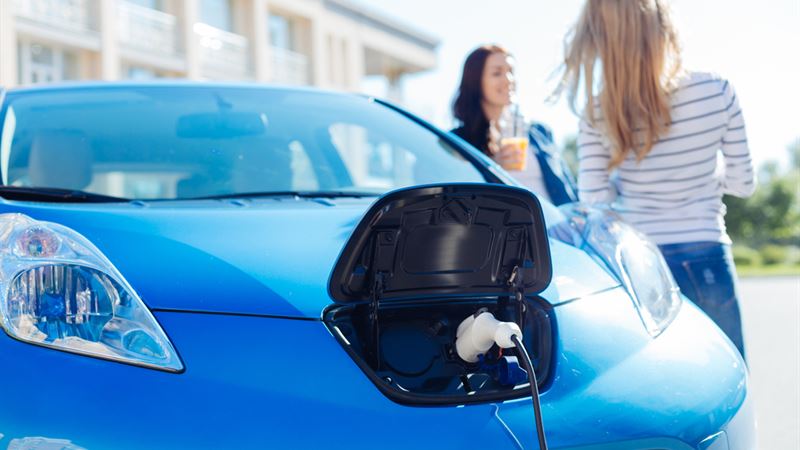
Electric vehicles (EVs) are rapidly gaining popularity worldwide as a sustainable and efficient alternative to conventional gasoline-powered cars. Understanding the fundamental differences, benefits, and the best models available can help you make informed decisions when considering your next vehicle purchase.
What is an Electric Vehicle (EV)?
- An electric vehicle is a type of automobile that is propelled primarily by electric motors using energy stored in rechargeable batteries. Unlike traditional vehicles that rely on internal combustion engines fueled by gasoline or diesel, EVs use electrical energy to operate, making them environmentally friendly.
- These vehicles can be charged via standard electrical outlets or dedicated charging stations, providing flexibility and convenience for users. Increasingly, governments and organizations promote this technology to reduce carbon footprints.
- EVs offer significant savings in fuel costs as electricity is generally cheaper than gasoline, and many models are designed to operate efficiently with minimal energy consumption. They also eliminate the need for oil changes and other periodic engine maintenance required in conventional vehicles.
Key Benefits of Electric Vehicles
- Cost Efficiency: Electric cars are less expensive to operate daily. They benefit from lower fuel costs and reduced maintenance expenses compared to traditional vehicles.
- Environmental Friendliness: EVs produce zero tailpipe emissions, contributing to cleaner air and a healthier planet. Using renewable energy sources for charging further reduces their environmental impact.
- Enhanced Safety: Modern electric vehicles are equipped with high safety standards, incorporating advanced driver-assistance systems and crash-test certifications.
- Convenience and Performance: Instant torque gives EVs quick acceleration, making driving more responsive and enjoyable. The absence of engine noise also creates a quieter cabin environment.
- Government Incentives: Many regions offer tax credits, rebates, and incentives to encourage EV adoption, making them more accessible to consumers.
- Access to Special Benefits: Electric car owners often enjoy perks like priority parking, access to carpool lanes, and charging discounts, easing daily commuting.
Top Electric Vehicle Models to Consider
- **Tesla Model S**: Known for its high performance, luxury features, and long-range capabilities, suitable for long-distance travel and premium users.
- **Nissan Leaf**: An affordable, reliable choice ideal for urban commuting, with a price point around $33,900.
- **BMW i3**: Compact and stylish, perfect for city driving, priced at about $44,320.
- **Hyundai Kona Electric**: Versatile, family-friendly, and reasonably priced at approximately $41,700.
- **Jaguar I-Pace**: Combines luxury styling with impressive electric performance for a premium experience.
- **Renault Zoe**: An economy option at around $18,250, excellent for city dwellers and short trips.
- **Hyundai Ionic Electric**: A practical family vehicle offering various powertrain options, costing roughly $38,445.
- **Tesla Model X**: A spacious SUV with innovative gullwing doors, seating up to seven, priced around $97,785.
- **Volkswagen e-Golf**: Compact, efficient, with a refined build, available for about $41,720.
- **Kia Soul EV**: An urban-oriented small electric car with unique styling, priced near $39,120.
- **Smart Fortwo Electric Drive**: A tiny, city-friendly two-seater costing about $20,870 with zero emissions.
- **Volkswagen e-Up**: A tiny, efficient, and stylish model at approximately $26,085.
Why Are Electric Vehicles Considered Superior to Gasoline Cars?
- Operating costs are significantly lower with EVs due to reduced fuel expenses and less frequent maintenance needs. The less complex drivetrain means fewer repairs and servicing, saving you money over the vehicle’s lifespan.
- Electric cars contribute positively to air quality since they emit no tailpipe pollutants, helping combat urban pollution and global warming.
- Refueling is simplified—charge your EV at home or at public stations, saving time compared to traditional fuel stops. The growth of renewable energy sources enhances this benefit further.
- As the automotive industry moves toward electrification, EVs are at the forefront of sustainable transport solutions, shaping the future of mobility.
- The safety standards for EVs are comparable to, or even surpass, those of traditional vehicles, with rigorous crash tests and safety features.
- Maintenance is minimal with fewer moving parts, including no oil, spark plugs, or exhaust systems, leading to lower ownership costs.
- Inside the cabin, EVs operate quietly, providing a peaceful driving experience free from engine noise.
- High-torque electric motors ensure rapid acceleration and high performance, delivering a smooth and exciting ride.
- Many governments provide rebates and tax incentives to promote EV adoption, reducing the overall cost to consumers.
- Electric vehicle owners often enjoy exclusive privileges, such as designated parking spots with charging stations, making daily commutes more convenient.