
The Ultimate Guide to Choosing All-in-One PCs: Benefits, Drawbacks, and Market Trends
Explore the comprehensive benefits and limitations of all-in-one PCs, compare them with desktops and laptops, and understand future market trends. This in-depth guide highlights how all-in-one computers blend design, performance, and space efficiency, making them a popular choice for modern consumers seeking sleek and functional workspace solutions.
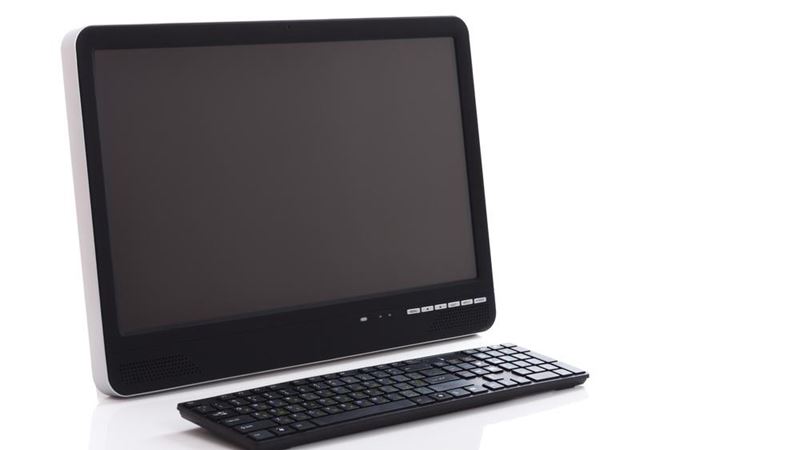
In recent years, the evolution of personal computing devices has led to a significant shift in consumer preferences, with all-in-one (AIO) PCs emerging as a popular choice for both home and office use. While traditional desktops and laptops remain prominent, the sleek design and convenience of all-in-one computers have garnered widespread attention. This comprehensive guide explores the reasons behind the rising popularity of AIO PCs, comparing their features to desktops and laptops, addressing common drawbacks, and examining market trends that indicate their future prospects.
Understanding All-in-One PCs vs. Traditional Desktops
All-in-one computers are designed to combine the functionalities of a desktop computer into a single integrated unit. Unlike conventional desktops that separate the processing tower from the monitor, AIOs package everything into a compact, streamlined chassis. This integration not only saves space but also results in a cleaner and more organized workspace.
The core architecture of an AIO includes a high-performance processor, memory modules, storage drives, and integrated graphics, all housed within the monitor casing. This design minimizes the number of cables required, eliminating the need for separate monitor, keyboard, mouse, and power cords that are typical with traditional desktops.
From an aesthetic standpoint, all-in-ones appeal due to their modern, minimalistic look, often featuring thin bezels and sleek finishes. For users prioritizing a clutter-free environment, they present a compelling option that combines functionality with style.
Advantages of All-in-One PCs
- Space Efficiency: The compact design makes AIOs ideal for small spaces or environments where desk real estate is limited.
- Simplified Setup: With fewer cables and connections, setting up an AIO is straightforward, minimizing installation time and technical complexity.
- Portability Within the Space: While not portable like laptops, AIOs are easier to relocate compared to traditional desktops.
- Enhanced Aesthetics: Their sleek design enhances the look of any modern workspace.
- Reduced Cable Clutter: All components are housed within a single unit, which contributes to a cleaner desk.
Limitations and Challenges
Despite their advantages, AIO PCs are not without drawbacks. One significant concern is thermal management. Because all hardware components are enclosed in a compact space, heat dissipation can become an issue, potentially affecting performance and longevity.
Power and performance limitations are another factor. AIOs generally have less room for high-end components compared to traditional desktops, which may restrict their use for intensive tasks such as gaming or professional video editing.
Upgradability is a common challenge. Unlike desktops that can be easily opened for upgrades, AIOs often have limited options for component replacement or upgrading, which can shorten their usable lifespan.
In terms of repair and maintenance, troubleshooting can be more complex, often requiring professional service due to the integrated design.
How Do Laptops Compare?
The primary reason for the development of AIO PCs was to offer a space-saving alternative to traditional desktop setups. However, with the advent of advanced laptops, the landscape has shifted further. Laptops provide mobility, allowing users to work from virtually anywhere, an advantage that AIOs do not inherently possess.
Similarities between laptops and AIOs include components like processors, RAM, and storage options. Both use similar internal architectures, but laptops typically feature smaller screens, which contributes to their portability and compactness.
While AIOs are generally limited to stationary use, some models now incorporate battery power, blurring the lines between these device types. These battery-powered AIOs can offer a degree of mobility, appealing to users seeking both desk space efficiency and portability.
From a cost perspective, laptops tend to be more budget-friendly, offering similar performance at a lower price point. The affordability combined with flexibility makes laptops a popular choice for students, remote workers, and professionals.
The Market Outlook and Future Trends
The global market for desktop computers has experienced a notable decline over recent years, primarily due to the rising preference for laptops, tablets, and smartphones. However, the all-in-one segment continues to maintain steady growth, driven by consumers who value design, space efficiency, and simplicity.
Despite the aging of traditional desktops, AIOs are carving out their niche, especially in environments where aesthetics and minimalism are prioritized, such as modern offices, digital signage applications, and home entertainment setups.
The technological evolution of all-in-one PCs is ongoing, with manufacturers introducing features like 4K displays, touchscreens, and improved thermal management to enhance user experience. Future developments may also include modular designs, enabling easier upgrades and repairs.
Consumer awareness of environmental sustainability is prompting manufacturers to develop more energy-efficient models, further boosting their attractiveness.
The trend towards hybrid devices that combine features of PCs and tablets is expected to continue, with new models capable of operating on battery power, including convertible screens that double as tablets.
Overall, although the market share of traditional desktops has decreased, the demand for all-in-one PCs remains resilient, and their appeal to aesthetic-conscious and space-sensitive consumers guarantees continued relevance for the foreseeable future.
Conclusion
The evolution of personal computing devices reflects the changing needs and lifestyles of consumers. All-in-one PCs offer a unique blend of style, simplicity, and space saving, making them an attractive choice for a variety of applications. While they face limitations in upgradability and performance compared to traditional desktops, ongoing technological innovations continue to enhance their capabilities.
As laptops become more powerful and versatile, the role of AIOs shifts towards niche markets and premium segments that prioritize design and ease of use. Both form factors will coexist, serving different user needs and preferences in the dynamic world of personal computing.
Ultimately, the decision to purchase an all-in-one PC depends on individual priorities—whether it’s maximizing workspace efficiency, achieving a modern aesthetic, or balancing performance with cost. Staying informed about technological advancements will help consumers select the best device suited to their specific requirements.