
Understanding the Signs and Significance of High Blood Pressure
Learn about blood pressure metrics, what high readings mean, and effective strategies to manage hypertension. Regular monitoring, lifestyle adjustments, and medical treatment are essential to reduce cardiovascular risks and maintain optimal health. Discover comprehensive insights on understanding and controlling high blood pressure for a healthier life.
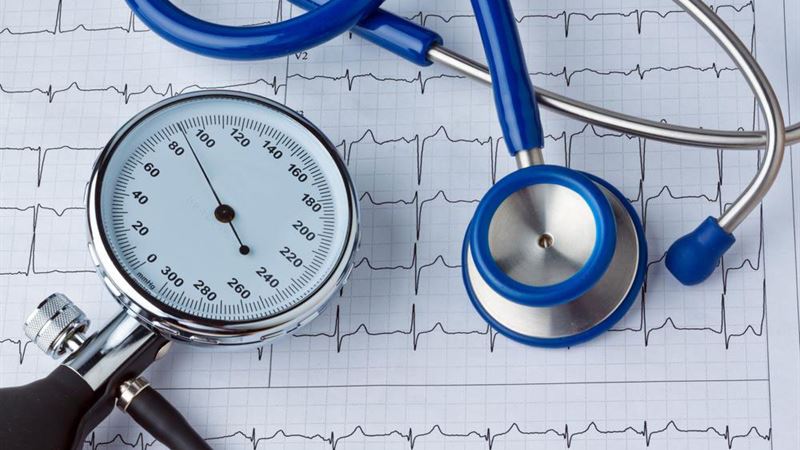
Deciphering Blood Pressure Metrics
A blood pressure reading lower than 120/80 mmHg is considered optimal for healthy adults. Readings that fall between 120/80 mmHg and 139/89 mmHg are categorized within the normal to elevated range, indicating the need for monitoring. Consistently high blood pressure, or hypertension, markedly increases the risk of cardiovascular complications such as heart attacks and strokes. With advancing age, hypertension becomes increasingly prevalent, emphasizing the importance of routine blood pressure assessments for maintaining overall health quality.
Blood pressure measurements can be conveniently taken at home or in a clinical setting. Recognizing how to interpret these measurements is vital for early detection and intervention. Understanding what the systolic and diastolic numbers represent provides insight into your cardiovascular health and guides necessary lifestyle or medical actions.
Interpreting Blood Pressure Readings
Each blood pressure reading comprises two values: systolic and diastolic pressure, for example, 120/80 mmHg. The systolic pressure, located in the numerator, indicates the pressure exerted when the heart contracts during each beat. It reflects the maximum arterial pressure during cardiac systole. The diastolic pressure, in the denominator, corresponds to the pressure in the arteries when the heart relaxes between beats, representing the minimum arterial pressure. Accurate interpretation involves locating the systolic value on the vertical axis and reading horizontally across the diastolic value on the chart, where the two converge to signify your blood pressure level.
Thresholds for Hypertension
A systolic reading of 140 mmHg or higher, or a diastolic reading of 90 mmHg or above, classifies as high blood pressure, warranting prompt medical consultation. Even marginally elevated readings above 120/80 mmHg should prompt lifestyle adjustments to prevent progression. Persistent readings at or above 140/90 mmHg across multiple measurements indicate the need for medical management, including prescribed medications to control hypertension effectively. Recognizing these thresholds is crucial for early intervention and reducing cardiovascular risks.
Strategies to Manage and Control High Blood Pressure
Managing hypertension involves a combination of medical treatment and lifestyle modifications. Firstly, consulting with a healthcare provider is essential for appropriate diagnosis and treatment planning. Prescription medications, if advised, should be taken diligently. In addition, adopting a heart-healthy diet rich in fruits, vegetables, whole grains, lean proteins, and low in saturated fats and sodium can significantly impact blood pressure levels. Regular physical activity, such as brisk walking, swimming, or cycling, strengthens cardiovascular health. Adequate sleep, stress management techniques, and avoiding excessive alcohol and tobacco use are also instrumental in controlling hypertension. Continuous monitoring and adherence to treatment plans are vital for preventing long-term health complications associated with high blood pressure.
Effective management of hypertension not only reduces the risk of heart disease but also enhances overall well-being and quality of life. Awareness and proactive health measures are crucial for early detection and precise control of blood pressure, ensuring a healthier future.