
Comprehensive Guide to Selecting the Perfect Washer and Dryer Set for Your Home
Discover a detailed, comprehensive guide to help you choose the perfect washer and dryer set tailored to your space, laundry needs, and budget. Learn about different types, features, and energy efficiency options to make an informed investment that enhances your everyday laundry routine. Whether you're upgrading or buying for the first time, this article covers all essential considerations for a seamless laundry experience.
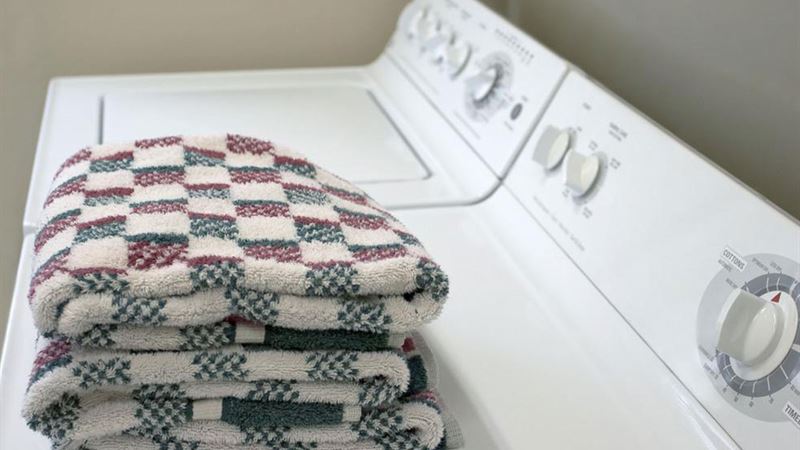
Understanding Appliance Design and Space Considerations: One of the first steps in selecting a washer and dryer set is assessing your available space. The layout of your laundry area or designated space heavily influences the type of appliances you should consider. For instance, small or confined areas require compact solutions such as stackable units or combination washer-dryer models. These space-saving options are designed to fit snugly into closets or tight corners, making them ideal for apartments, condos, or homes with limited space. Conversely, if you have a dedicated laundry room with ample room, you can opt for traditional top-loading or front-loading machines, which often come in larger sizes but provide better access and higher capacity.
Choosing the Right Capacity and Load Type: Capacity plays a pivotal role in how efficiently your laundry tasks are handled. Washers and dryers come in various sizes, typically ranging from 2 to 6 cubic feet, with larger capacities accommodating bigger loads and bulky items such as comforters, duvets, and numerous clothes at once. If you do laundry for a large family or prefer washing bulky bedding, selecting appliances with higher capacities (around 4.5 to 6 cubic feet) is advisable. Keep in mind that larger machines often consume more energy and water, so balancing capacity with your actual needs and utility costs is essential. Also, consider whether you prefer a single machine that performs both functions or a pair of dedicated units—sometimes, split systems allow for better flexibility and efficiency.
Top-Loading vs. Front-Loading Washer Options: The debate between top-loaders and front-loaders continues to influence consumer choices. Top-loading washers are generally more affordable upfront, easier to load and unload, and typically have faster cycle times. They are ideal for households looking for simplicity and quick laundry routines. On the other hand, front-loading washers are known for their superior cleaning performance, gentler treatment of fabrics, and higher energy efficiency, especially in water and electricity consumption. They often include advanced features such as steam cleaning, sanitation cycles, and longer-lasting drum technology. It’s worth noting that front-loaders tend to be more expensive but can save you money in the long run through reduced utility bills and better cleaning results. Remember, you do not have to buy matching sets from the same manufacturer—mix-and-match options are perfectly acceptable based on your preferences and compatibility.
Ergonomics: Bending Down vs. Convenient Door Opening: Ease of use is another crucial factor, especially for individuals with mobility concerns or back issues. Traditional washers typically open from the top, requiring users to bend over to load or unload clothes. To mitigate this, many manufacturers offer pedestal drawers that elevate the machine, reducing the need to bend down and providing additional storage space for detergents, softeners, and other laundry essentials. Alternatively, front-loading washers open from the front, and many models come with reversible doors, allowing customization of the door swing direction to suit your room layout. Consider whether you prefer a higher-loading machine or a design with easy access without straining your back. The choice can significantly impact your laundry experience, making daily chores more comfortable.
Additional Features and Technological Advances: Modern washer and dryer sets come equipped with a variety of features designed to enhance efficiency, convenience, and fabric care. Look for appliances with adjustable cycle options, moisture sensors that prevent over-drying, and noise reduction features for quiet operation. Energy-efficient models with smart technology enable remote monitoring and diagnostic capabilities via smartphone apps. These features can help you save on utility bills while providing greater control over laundry routines. Additionally, some dryers include options for steam cycles that refresh and sanitize clothing, while washers with specialized wash cycles can better handle delicate fabrics, heavy soils, or specific stain types. Choosing appliances with the right combination of features ensures you maximize value and enjoy a smooth laundry experience.
Considering Longevity and Investment: Washer and dryer sets are significant investments and typically last between 8 to 15 years with proper maintenance. Therefore, selecting durable, reliable brands with excellent reviews is crucial. Look for appliances with extended warranties, readily available spare parts, and good customer service. It’s also wise to consider energy efficiency ratings such as ENERGY STAR certification, which can lead to substantial savings over the appliance lifetime. When making a purchase, evaluate the cost-benefit ratio—not just the initial price—by factoring in energy savings, water efficiency, and potential repair costs. Proper installation and regular maintenance can prolong the lifespan of your appliances, ensuring your investment remains worthwhile for years to come.
In conclusion, choosing the right washer and dryer set involves careful assessment of space, capacity, type, features, and long-term durability. By taking the time to evaluate your specific needs and preferences, you can select appliances that not only streamline your laundry process but also fit seamlessly into your home environment, saving you time, effort, and money. Keep these key considerations in mind to make a confident and satisfying appliance purchase that will serve you well for years to come.