
Understanding Modern Smart TVs: Features, Evolution, and Trends
Discover the evolution of smart TVs, from their early beginnings in the 1980s to today's advanced, internet-connected devices that offer a rich array of entertainment options, applications, and smart features. Learn about their platform architecture, software development ecosystem, and future trends shaping connected home entertainment.
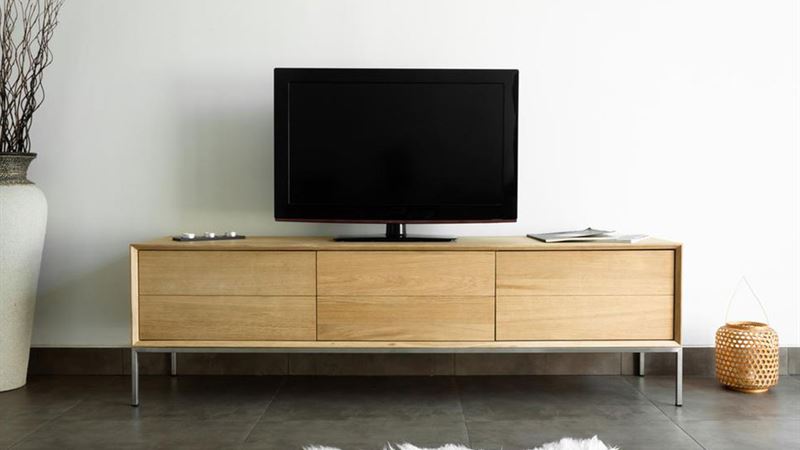
Modern smart TVs are equipped with customizable user interfaces that include intuitive menus, voice command features, and personalized recommendations. The core of these devices is their platform architecture, which is often based on proprietary or open-source operating systems such as Android TV, Roku, WebOS, or Tizen. These platforms support a variety of applications, ranging from streaming services like Netflix and Hulu to social media platforms, gaming applications, and smart home integration apps. Developers access these features through Software Development Kits (SDKs) and Application Programming Interfaces (APIs), which facilitate the creation of a wide ecosystem of third-party apps and services. End-users can browse app stores directly on their smart TVs, installing and removing applications according to their preferences.
The concept of intelligent television originated in the 1980s, particularly with innovations in Japan, which introduced TV sets embedded with dedicated chips and memory units. These early 'smart' TVs featured character generators and specialized hardware that enabled viewers to receive a mixture of broadcast and informational content. Instead of passive reception, viewers could access supplementary data streams transmitted via spare lines in the broadcast signals, turning televisions into interactive information hubs. This marked an initial step towards intelligent TV systems, providing enhanced viewing experiences beyond standard broadcasting.
In the 1990s, further advancements were made with the development of systems capable of data processing and network connectivity. A patent filed during this period illustrated the integration of digital and analog networks with television sets, enabling automatic software updates and data exchange. These early systems could download necessary routines, update content, and connect with data processing centers to customize viewing experiences according to user preferences. Such innovations laid foundational concepts for today's smart TV technology, emphasizing connectivity, automation, and user personalization that have become standard features in modern smart TVs.