
Understanding Underwater Mortgages: Causes, Challenges, and Strategies for Recovery
An underwater mortgage occurs when your home's market value drops below your outstanding loan balance, causing financial and legal challenges. This comprehensive guide explains the causes, risks, and effective strategies to manage or recover from underwater mortgages. By understanding market factors, exploring refinancing options, and working with lenders, homeowners can regain stability and protect their assets. Staying proactive and informed is crucial in overcoming this financial hurdle and ensuring long-term security.
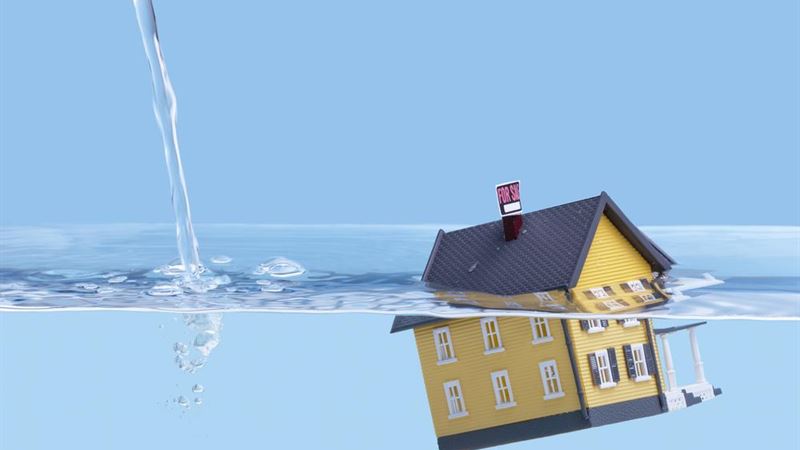
An underwater mortgage occurs when the current market value of a property falls below the outstanding balance on the mortgage loan. This situation indicates that the homeowner owes more on the mortgage than the property is worth. Such circumstances can be distressing, primarily because a home often represents the most valuable asset an individual owns. When the value of your property diminishes below your debt, it raises concerns about financial security and future stability. Understanding the intricacies of underwater mortgages is crucial for homeowners facing this challenge, as well as for those aiming to prevent falling into this trap.
In today's fluctuating real estate markets, many homeowners find themselves in the uncomfortable position of owing more than their property’s current market value. Recognizing the root causes of underwater mortgages and knowing effective strategies to manage or remedy these situations can make a significant difference. This comprehensive guide explores the primary issues associated with underwater mortgages, the risks involved, and practical steps you can take to regain financial footing. Whether you're currently underwater or want to safeguard yourself from similar situations, this article provides valuable insights and actionable advice.
Understanding the Causes of Underwater Mortgages
- Market Fluctuations and Decline in Property Values
One of the main reasons for an underwater mortgage is a significant decline in property values due to market downturns, economic recessions, or local real estate slumps. When demand drops, property prices can fall sharply, leaving homeowners with mortgages exceeding their home's worth. - High Loan-to-Value (LTV) Ratios
Taking out a mortgage with a high LTV ratio—meaning a large percentage of the property's value is financed—can lead to underwater conditions if property prices drop shortly after purchase. - Interest Rate Changes and Adjustable-Rate Mortgages
Fluctuations in interest rates can cause monthly payments to increase, adding financial strain and potential negative equity if home values do not keep pace. - Economic and Regional Factors
Local economic downturns, job losses, or regional industry declines can precipitate falling home prices, impacting homeowners across affected areas.
Risks and Challenges of Underwater Mortgages
- Financial Instability and Increased Stress
Homeowners may experience anxiety, stress, and difficulty in managing their finances when their property's value diminishes below their loan amount. - Difficulty in Reselling Property
An underwater mortgage complicates selling the property, as owners may no longer be able to recoup their investment or afford to pay the difference between sale price and remaining mortgage. - Impact on Credit Score and Loan Eligibility
Defaulting or missing payments can damage credit scores, making future borrowing more costly or difficult. - Legal and Foreclosure Risks
Persistent unpaid mortgage dues can lead to foreclosure, resulting in the loss of the home and significant financial setbacks.
Strategies to Manage and Overcome Underwater Mortgages
- Maintain Regular Payments
The most critical step is to continue paying your mortgage diligently. Consistent payments can prevent foreclosure and protect your credit. - Refinance When Possible
Explore options for refinancing your mortgage at lower interest rates or into alternative loan products that may reduce your monthly payments. - Negotiate with Lenders
Contact your lender to discuss possible solutions such as loan modifications, repayment plans, or forbearance options designed to reduce financial pressure. - Consider Selling or Short Selling
If the market allows, selling your property or engaging in a short sale might help you avoid further debt accumulation. Short selling involves selling the property for less than the owed amount with lender approval. - Rent Out Part of Your Property
Generating rental income by leasing out a portion of your home can help offset mortgage payments and reduce financial stress. - Utilize Government Assistance Programs
Several government initiatives and programs are available to support homeowners in distress, including mortgage relief options, counseling, and assistance programs. - Improve Your Financial Situation
Strengthening your overall financial health through budgeting, increasing income, or consolidating debts can provide additional leverage during tough times.
Preventing Underwater Mortgages in Future
- Carefully Assess Loan Terms
Before borrowing, understand the loan-to-value ratio and avoid high-risk products, especially in volatile markets. - Build Equity Strategically
Making additional payments toward your principal can accelerate equity growth, providing a buffer against market downturns. - Stay Informed About Market Trends
Keeping abreast of regional and national real estate trends enables better decision-making regarding home purchases and refinancing. - Practice Financial Discipline
Maintaining conservative borrowing habits and emergency savings ensures resilience against unforeseen circumstances.
Final Thoughts
While facing an underwater mortgage is undoubtedly challenging, it is not an insurmountable obstacle. By understanding the causes, assessing your options, and actively working with your lender and financial advisors, you can navigate through these difficult times. The key lies in staying proactive, informed, and adaptable. Remember, real estate markets fluctuate, and recovery is often possible with patience and strategic action. Don't despair—many homeowners have successfully turned their situations around, and you can too.