
Recognizing the Key Indicators of an Underactive Thyroid: A Comprehensive Guide
Learn to recognize the common signs of an underactive thyroid, including fatigue, weight gain, and dry skin, and discover effective management and treatment options. Early detection is essential to prevent severe health complications and improve your quality of life.
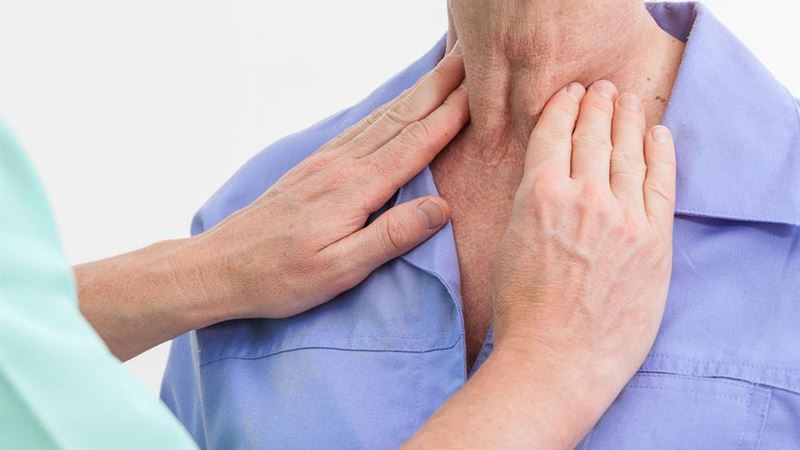
Understanding Symptoms of an Underactive Thyroid Gland
The presentation of thyroid dysfunction symptoms can vary significantly among individuals, largely influenced by the degree of hormone imbalance and the specific type of thyroid disorder present. Sometimes, early stages of thyroid issues might not show noticeable signs, leading to delayed diagnosis. Over time, however, symptoms tend to become more apparent, prompting individuals to seek medical attention. Recognizing these signs early can play a vital role in managing the condition effectively and avoiding serious complications.
This detailed guide explores the most common and tell-tale symptoms associated with hypothyroidism, along with essential information on diagnosis and treatment options. Being aware of these indicators helps in early detection and better health management.
- Persistent fatigue despite adequate rest
- Chronic constipation and digestive sluggishness
- Unexpected weight gain without dietary changes
- Facial puffiness and swelling
- Elevated cholesterol levels leading to cardiovascular risks
- Extra dry and rough skin
- Reduced heart rate (bradycardia)
- Onset of anxiety, depression, or mood disturbances
- Alterations in menstrual cycles, including heavy flow or irregularity
- Increased hair loss and thinning
- Hoarseness or a deepened voice
- Heightened sensitivity to cold temperatures
- Joint inflammation, stiffness, and discomfort
- Muscle aches and weakness
- Cognitive issues such as memory impairment and concentration difficulties
Neglecting these symptoms can lead to severe health problems. It is crucial to seek medical evaluation if these signs persist or worsen over time.
In rare cases, hypothyroidism can progress to a severe condition called myxedema, characterized by symptoms such as difficulty breathing, extremely low blood pressure, hypothermia, and in extreme cases, coma. This emergency requires immediate medical intervention and can be life-threatening if not treated promptly.
Since hypothyroidism predominantly affects women—particularly during pregnancy or postpartum—it is advised to undergo routine thyroid screening during regular health checkups. Healthcare providers typically order blood tests to evaluate levels of thyroid hormones like T3, T4, and TSH (Thyroid Stimulating Hormone). These results determine the severity of dysfunction and guide appropriate treatment strategies.
The mainstay of treatment involves hormone replacement therapy, generally in the form of oral levothyroxine supplements. Adjusting the dosage is critical, and it often requires regular monitoring and adjustments based on follow-up blood tests. Your healthcare provider will tailor your medication plan by considering your unique response, aiming for optimal hormone balance and symptom relief over time. It may take several adjustments to find the most effective dosage that minimizes symptoms and prevents side effects.
Overall, early detection and proper management of hypothyroidism can significantly improve quality of life, prevent complications, and maintain overall health. Awareness of symptoms, timely testing, and adherence to prescribed treatment are key to managing this common yet often overlooked condition.