
Comprehensive Guide to Recognizing the Symptoms of Graves’ Disease: Common and Rare Manifestations
This comprehensive article provides an in-depth analysis of Graves’ disease, including its common and rare symptoms, diagnostic processes, and treatment options. Understanding these signs ensures timely medical intervention, helping manage the condition effectively and prevent complications.
Identifying the Symptoms of Graves’ Disease: A Complete Overview
Graves’ disease is an autoimmune disorder that predominantly affects the thyroid gland, leading to hyperthyroidism where the thyroid produces excessive hormones. Recognizing the early signs and symptoms of this condition is essential for timely diagnosis and management, preventing potential complications. This extensive guide delves into the typical manifestations, less common symptoms, and rare indicators associated with Graves’ disease, providing valuable insights for patients, caregivers, and healthcare professionals.
Common Symptoms of Graves’ Disease
- Excessive Sweating: Individuals with Graves’ disease often experience persistent sweating even in cool environments, accompanied by a feeling of heat overheating the body.
- Significant Weight Loss: Despite normal or increased appetite, many sufferers report unintentional weight loss due to an elevated metabolic rate.
- Rapid or Irregular Heartbeat: Palpitations, increased heart rate, or arrhythmias are hallmark signs indicating hyperactive thyroid function.
- Hand Tremors: Fine shaking of the hands, especially noticeable when performing fine motor tasks, is common in Graves’ disease.
- Chronic Fatigue: An overwhelming sense of tiredness that doesn’t improve with rest, often accompanied by muscle weakness.
- Anxiety and Nervousness: Increased nervousness, irritability, or feelings of panic can be subtle or prominent in affected individuals.
- Sensitivity to Heat: Patients often find it difficult to tolerate warm environments, experiencing excessive warmth and sweating.
- Gastrointestinal Symptoms: Diarrhea, frequent bowel movements, or increased appetite may occur due to increased metabolic activity.
- Mood Swings: Erratic emotions, from irritability to mild depression, may be observed.
- Enlarged Thyroid (Goiter): Swelling at the base of the neck resulting from thyroid gland enlargement is a common physical sign.
- Menstrual Irregularities: Changes such as lighter, heavier, or more irregular periods are often reported in women.
- Sleep Disturbances: Insomnia or restless sleep patterns are frequently experienced.
Less Common or Rare Symptoms of Graves’ Disease
While the above symptoms are prevalent, Graves’ disease can sometimes present with atypical signs that may require more careful investigation. These less common manifestations can include eye and skin symptoms, which are distinct features of the disease.
Ophthalmopathy (Eye-Related Symptoms)
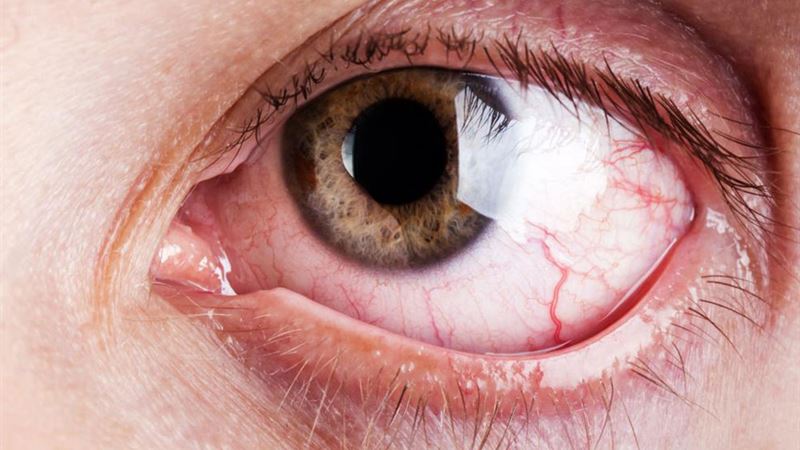
Approximately 30% of Graves’ disease patients develop eye-related complications known collectively as Graves’ ophthalmopathy. This condition results from inflammation and immune infiltration around the eye tissues and can significantly impact vision and appearance.
- Exophthalmos: Bulging eyes caused by swelling of tissues behind the eyeball. This protrusion is often noticeable and can cause discomfort.
- Eye Pain or Discomfort: Patients may experience a sense of pressure, pain, or a gritty sensation in the eyes.
- Sensitivity to Light (Photophobia): Increased sensitivity leading to discomfort in bright environments.
- Redness and Swelling: The whites of the eyes may appear red, inflamed, or swollen.
- Visual Impairment: Changes such as blurred vision or even temporary loss of sight can occur in severe cases.
- Diplopia: Double vision resulting from misalignment of the eyes or swelling of tissues around the optic nerve.
- Swollen Eyelids: Puffy eyelids that may obscure vision or cause aesthetic concerns.
Skin Manifestation: Graves’ Dermopathy
This rare complication involves thickening, reddening, and swelling of the skin, primarily affecting the shins and the area above the feet. Known as Graves’ dermopathy, these changes tend to be asymptomatic or mildly itchy and can be aesthetically concerning.
While the symptoms outlined are characteristic, individual experiences may vary depending on the severity and progression of the condition. Recognizing these signs early allows for prompt intervention, reducing the risk of complications and enhancing treatment outcomes.
Diagnosing and Managing Graves’ Disease
If you suspect you might have Graves’ disease based on the symptoms described, consulting a healthcare professional specialized in endocrine disorders is crucial. An endocrinologist will perform a detailed clinical evaluation along with various diagnostic tests to confirm the diagnosis.
Diagnostic approaches include:
- Blood tests to detect elevated thyroid hormones (T3, T4) and suppressed TSH levels.
- Radioactive iodine uptake test to measure how much iodine the thyroid gland absorbs, indicating hyperactivity.
- Ultrasound imaging to assess the size and structure of the thyroid gland.
- Thyroid scintigraphy for detailed visualization of gland function.
- Physical examination, checking for goiter and other signs of hyperthyroidism.
Treatment options for Graves’ disease aim to reduce thyroid hormone production, alleviate symptoms, and prevent long-term complications. The most common therapies include:
- Antithyroid medications: Drugs like methimazole or propylthiouracil to inhibit thyroid hormone synthesis.
- Radioactive iodine therapy: Administered to destroy overactive thyroid tissue, leading to decreased hormone production.
- Surgical intervention: Partial or total thyroidectomy in cases resistant to medication or when malignancy is suspected.
- Symptomatic management: Beta-blockers to control heart rate and tremors, and corticosteroids for eye inflammation.
In addition to medical treatments, lifestyle modifications play a vital role. Patients are advised to maintain a balanced diet, manage stress effectively, and avoid excessive iodine intake. Regular follow-ups are essential to monitor the condition’s progression and adjust treatments accordingly.