Discover comprehensive strategies for managing diabetic neuropathy, including medication, lifestyle modifications, and preventive foot care. Effective blood sugar control is essential to prevent nerve damage, infections, and amputations. Learn how early diagnosis, dietary changes, and regular monitoring can improve quality of life and reduce complications associated with this condition.
Living with diabetic neuropathy can significantly impact your daily life, especially when nerve damage becomes severe or left untreated over time. Prolonged nerve damage increases the risk of infections, injuries, and in severe cases, the need for amputations. Understanding how to effectively manage this condition is crucial for maintaining quality of life and preventing serious health issues. Regular blood sugar testing, early diagnosis, and comprehensive treatment plans are vital steps in controlling neuropathy symptoms and preventing progression.
Diabetic neuropathy primarily results from sustained high blood sugar levels, which damage nerves over time. Including other contributing factors such as blood vessel damage from elevated cholesterol, lifestyle choices, and nutritional deficiencies can aggravate nerve damage. It is essential to recognize these factors and take proactive steps to mitigate their effects. For example, excessive alcohol consumption and smoking can worsen nerve damage, while deficiencies like vitamin B12 deficiency also play a significant role in developing neuropathy.
Proper management begins with a thorough diagnosis by a healthcare professional. Your doctor will conduct a comprehensive review of your medical history, current medications, and symptoms. Physical examinations will include assessments of sensitivity, reflexes, muscle tone, blood pressure, and heart rate. Detecting the extent of nerve damage involves specialized tests such as monofilament testing, vibration threshold assessments using tuning forks, and temperature or touch sensitivity evaluations.
Medication plays a key role in managing the discomfort associated with diabetic neuropathy. Your doctor might prescribe medications specifically designed to alleviate nerve pain and improve nerve function. It is essential to avoid over-the-counter pain relievers without medical guidance, as some medications may have adverse interactions or side effects. Complementary treatments like acupuncture can sometimes provide relief when used alongside conventional therapy. Nonetheless, lifestyle modifications—such as weight loss, dietary improvements, and blood sugar control—are foundational to successful management.
Dietary adjustments are crucial for controlling blood sugar levels and reducing neuropathy symptoms. Consuming small, frequent meals with balanced nutrients helps stabilize blood glucose. Limiting fats and fiber intake can also improve digestion and overall nerve health. For women experiencing vaginal dryness or men with erectile dysfunction, your healthcare provider can recommend suitable topical lubricants or medications to ease these symptoms. Addressing these secondary issues enhances overall well-being and treatment compliance.
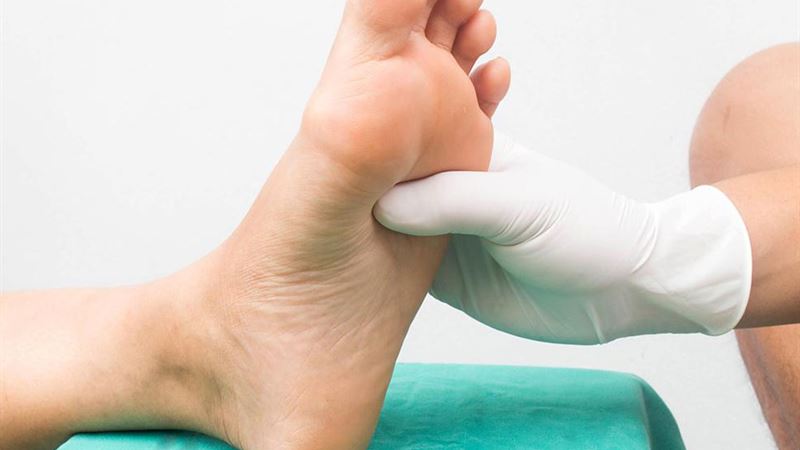
One of the most severe consequences of untreated diabetic neuropathy is limb amputation, which is often precipitated by unnoticed injuries or infections due to loss of sensation. Therefore, regular foot care is non-negotiable. Daily foot inspections for blisters, cuts, or red spots can help detect issues before they worsen. Keeping feet clean, dry, and well-moisturized, along with trimming toenails properly, minimizes infection risks. Routine foot examinations by healthcare professionals are essential, especially during regular medical visits.
Prevention remains the most effective approach against diabetic neuropathy. Consistently monitoring blood sugar levels, adhering to prescribed medication regimens, maintaining a healthy diet, and engaging in regular physical activity are cornerstone strategies. These measures not only help manage diabetes but also slow or halt nerve damage progression. Working closely with healthcare providers, following their advice, and making lifestyle modifications are vital for long-term health and combating neuropathy’s adverse effects.
In conclusion, managing diabetic neuropathy requires a multifaceted approach. Early diagnosis combined with tailored medical treatment, lifestyle changes, and preventive foot care can significantly improve outcomes. The importance of blood sugar control cannot be overstated—keeping glucose levels within target ranges is the best way to prevent nerve damage and its devastating complications. Active engagement with healthcare professionals and adherence to treatment plans are key steps toward a healthier life despite the challenges posed by diabetic neuropathy.
