
Effective Strategies to Prevent and Manage Acne Breakouts
Discover comprehensive strategies to prevent and treat acne effectively. Learn about dietary changes, advanced therapies like blue light treatment, natural remedies, and lifestyle modifications to achieve clear, healthy skin. Perfect for individuals seeking long-term solutions and expert advice to manage acne holistically and sustainably.
Acne is a common skin concern that varies greatly from person to person. While some individuals experience only mild blemishes, others may deal with extensive, persistent outbreaks that significantly impact their confidence and daily life. Although adolescence remains the typical period for acne development, adults can also be affected, sometimes even before puberty. Recognizing the diverse nature of acne is essential in choosing the right prevention and treatment methods.
In today's market, countless products claim to be the ultimate solution for acne. However, not all formulations provide effective or lasting results. Recent research indicates that acne predominantly affects women between 21 and 30 years old, with a prevalence of 50%. Women aged 31 to 40 see a 25% occurrence rate, while women over 40 experience around 12%. Understanding these statistics helps in tailoring skincare routines that address the specific needs of different age groups.
Hormonal fluctuations stand out as a primary culprit behind adult and adolescent acne, especially in women. Changes during menstrual cycles, pregnancy, or menopause can trigger hormone imbalances that stimulate excess oil production and clog pores. Moreover, dietary choices greatly influence skin health. Unhealthy eating habits and stress levels also play pivotal roles in acne development, often going unnoticed but exerting a profound impact on the skin's condition.
Adopting suitable lifestyle changes and incorporating specific skin care practices can significantly reduce acne outbreaks. It begins with making informed adjustments to diet and daily routines. A focus on nutritional intake, skincare habits, and stress management can go a long way in achieving clearer, healthier skin.
Dietary modifications are fundamental in acne prevention. Eliminating refined carbohydrates from your diet can curb the hormonal spikes that promote oil overproduction and follicle inflammation. Consuming high-glycemic foods like sugary snacks and processed flour can lead to increased insulin levels, which then stimulate androgen hormones linked to acne. Instead, emphasize a balanced diet rich in whole grains, lean proteins, and fiber, which promotes stable blood sugar levels and reduces skin flare-ups.
Further, dairy consumption, especially milk, has been scrutinized for its potential role in acne formation. Some research suggests that even low-fat or non-fat variants can contribute to skin breakouts due to their hormone content. Transitioning to plant-based milk alternatives like almond, soy, or oat milk may help mitigate this effect while providing essential nutrients for overall health.
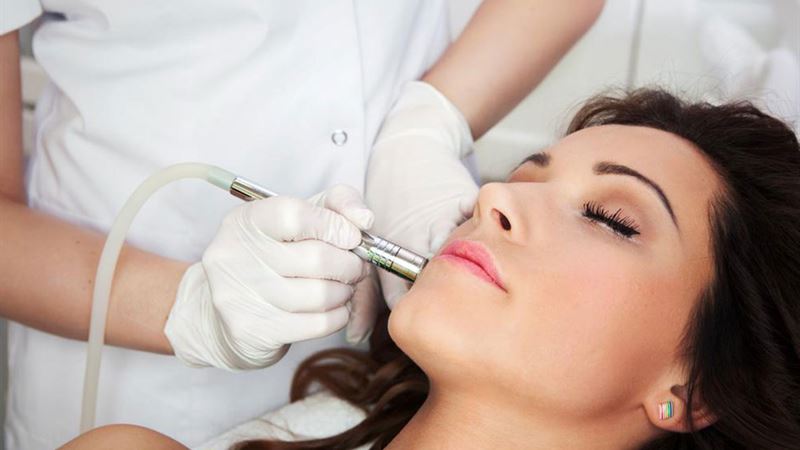
Beyond dietary shifts, innovative treatment options are gaining popularity among those seeking to combat persistent acne. Blue light therapy, for instance, involves the use of specific light wavelengths that penetrate skin follicles and destroy acne-causing bacteria. This non-invasive procedure has shown promising results, although it can be costly. For more severe cases, photodynamic therapy combines light treatments with topical photosensitizing agents such as Levulan, offering enhanced efficacy but requiring clinical supervision.
Another notable pharmaceutical option is spironolactone, traditionally used for high blood pressure. This medication acts as an anti-androgen, blocking testosterone receptors and reducing excess oil production. It has proven effective for women with hormonal acne but must be prescribed and monitored by a healthcare professional due to potential side effects.
Natural remedies also play a significant role in acne management. Tea tree oil, derived from the Melaleuca alternifolia tree native to Australia, possesses potent antimicrobial and anti-inflammatory properties. Applying diluted tea tree oil to affected areas can help control bacteria and soothe irritated skin without adverse effects.
Dietary sodium intake influences skin health as well. Limiting salt consumption to around 1500 milligrams per day can prevent dehydration and inflammation, both of which contribute to acne flare-ups. Excessive salt can lead to water retention and skin irritation, so mindful consumption is beneficial.
Managing stress levels is equally crucial. Elevated cortisol, the body’s primary stress hormone, can exacerbate acne by increasing inflammation and stimulating sebaceous glands. Engaging in relaxation techniques such as meditation, yoga, or regular exercise can diminish stress-related hormone surges and improve skin clarity.
For mild to moderate acne, over-the-counter products with active ingredients like benzoyl peroxide and salicylic acid are highly recommended. Benzoyl peroxide kills bacteria and reduces inflammation, while salicylic acid helps unclog pores and diminish redness. For more stubborn or severe conditions, healthcare providers may suggest topical retinoids, which boost collagen production and prevent pore blockages, or oral medications designed to target hormonal imbalances.
Understanding the root causes and exploring various treatment options empowers individuals to choose the most suitable approach for their skin type. Consistency in skincare routines, combined with lifestyle adjustments, will yield the best results. Consulting a dermatologist is advisable for persistent or severe cases to develop a comprehensive, personalized acne management plan.