
Effective Strategies to Prevent Heartburn and GERD During Pregnancy
This comprehensive guide offers effective strategies for pregnant women to prevent heartburn and GERD. It explains why these issues are common during pregnancy, emphasizing hormonal and physical factors. The article provides practical dietary advice like eating small, frequent meals, identifying trigger foods, and incorporating liquids for easier digestion. It also highlights lifestyle tips such as meal planning, avoiding lying down after eating, and wearing loose clothing. Following these tips can help manage symptoms efficiently, ensuring comfort and health throughout pregnancy while minimizing reflux discomforts.
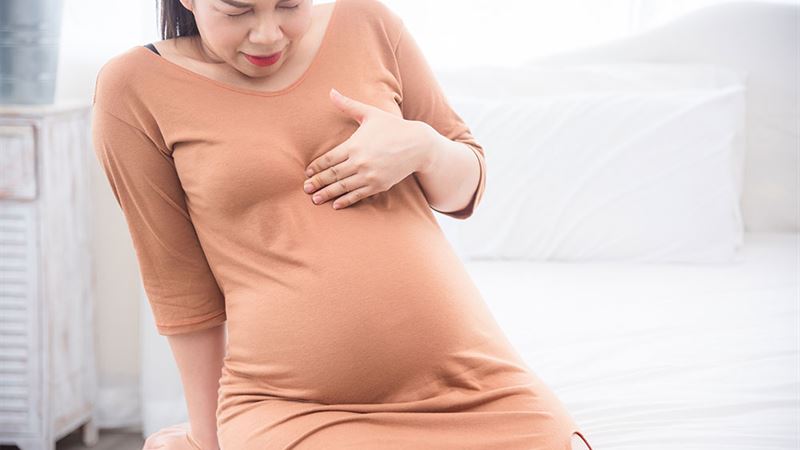
Understanding Why Heartburn and GERD Are Common in Pregnancy
Heartburn and GERD occur primarily because of changes in hormonal levels and physical shifts within the body. During pregnancy, increased levels of hormones such as progesterone cause smooth muscle relaxation, which includes the muscles of the esophageal sphincter—specifically, the lower esophageal sphincter (LES). The LES acts as a barrier preventing stomach acid from flowing back into the esophagus. When it relaxes or weakens, gastric acids can ascend more easily, leading to the burning sensation characteristic of heartburn.
Additionally, as the fetus grows, the expanding uterus exerts pressure on the stomach. This pressure further weakens the LES, making reflux more likely. The combination of hormonal influence and physical pressure creates an environment where acid reflux becomes a common discomfort for pregnant women. Understanding these underlying causes can help in implementing preventive measures to reduce the severity and frequency of heartburn episodes.
Effective management involves both dietary choices and lifestyle modifications aimed at minimizing acid exposure and promoting digestion. Below, we explore evidence-based strategies to alleviate and prevent heartburn and GERD during pregnancy.
Dietary Modifications to Prevent Heartburn and GERD
- Eat Small, Frequent Meals
A common trigger for heartburn is overeating or having a full stomach, which increases abdominal pressure and promotes reflux. During pregnancy, the stomach has less space for expansion; therefore, consuming large meals can exacerbate symptoms. To mitigate this, focus on eating smaller portions more frequently throughout the day. This approach helps maintain stable digestion, reduces pressure on the LES, and prevents severe reflux episodes. Incorporate five to six small meals rather than three large ones into your daily routine, ensuring you always stay comfortably satiated without overburdening your digestive system.
- Identify and Avoid Trigger Foods
Certain foods are more prone to triggering acid reflux due to their acidity, fat content, or other properties. Common culprits include citrus fruits such as oranges, lemons, and grapefruits, as well as fried, greasy, and spicy foods. Additionally, beverages like coffee, carbonated drinks, and alcohol are notorious for weakening the LES and increasing reflux risk. Chocolate, with its high fat and cocoa content, can also contribute to heartburn. It’s essential for pregnant women to observe their own responses to different foods and eliminate or reduce intake of those that exacerbate symptoms. Keeping a food diary can help identify personal triggers and guide dietary adjustments that promote comfort and health.
- Prioritize Liquid and Semi-Liquid Foods
Consuming liquids or semi-liquid foods can ease digestion and decrease the likelihood of reflux. Incorporate smoothies, yogurt, milkshakes, soups, and broths into your diet to provide nourishment without overloading the stomach. When consuming these, take time to chew and swallow slowly, allowing your digestive system to process more efficiently. While happy to include liquids, avoid gulping or drinking large quantities at once, which can increase abdominal pressure. Solid foods can still be included, provided they are eaten slowly and thoroughly chewed, helping to prevent sudden pressure increases that could trigger reflux.
- Plan Meals to Avoid Nighttime Heartburn
Many pregnant women experience heartburn during the night, which can disrupt sleep and cause discomfort. To minimize this, plan your dinner at least three hours before bedtime, giving your stomach time to empty. When possible, incorporate liquids in your evening meal, such as soups or smoothies, to aid digestion and reduce reflux risk. Also, avoid lying down immediately after eating. Instead, stay upright—sit or stand for at least 30 minutes after meals—to allow gravity to assist in keeping stomach acids down. Elevating the head of your bed by a few inches can also help prevent acid from rising during sleep.
In addition to dietary adjustments, making thoughtful lifestyle choices can further decrease the incidence and severity of heartburn during pregnancy. For instance, wearing loose-fitting clothing, maintaining a healthy weight, and avoiding strenuous activities immediately after eating contribute positively. Staying well-hydrated and engaging in gentle physical activity, such as walking, can also promote optimal digestion. Always consult your healthcare provider before making significant changes to your routine or diet, especially during pregnancy.