
Comprehensive Overview of Honda Accord Generations and Variants
Explore the detailed evolution of the Honda Accord across multiple generations, highlighting key design changes, technological advancements, and performance improvements. From its early versions to the latest models, discover how Honda has continuously refined this iconic sedan to meet modern demands. This comprehensive guide covers aesthetics, safety features, engine options, and interior upgrades, making it a valuable resource for enthusiasts and prospective buyers seeking a reliable, stylish, and efficient vehicle. Learn about the innovations that have kept the Honda Accord at the forefront of the mid-size sedan segment over several decades.
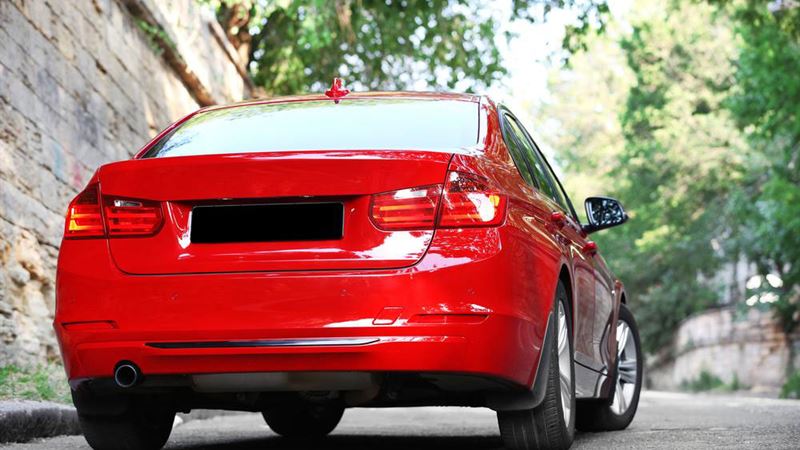
- Second Generation (1982-1985): A Larger and More Efficient Model
Introduced in 1983, the second-generation Honda Accord marked a significant evolution in the model's history. This iteration featured a noticeably larger body, which contributed to increased interior space and overall comfort. Importantly, it was designed with fuel efficiency in mind, making it a practical choice for families and commuters alike. The improvements in aerodynamics and engine technology facilitated better fuel consumption, setting a new standard for mid-sized sedans of its time. The design retained Honda’s reputation for reliability while offering a more refined and spacious package. Throughout this period, the Accord gained popularity due to its balanced performance, affordability, and extensive features that appealed to a broad range of drivers. The 1983 launch of this edition set a foundation for future innovations in the series, focusing on combining practicality with enhanced driving experience.
- Third Generation (1986-1989): Sportier Looks and Growing Popularity
The third-generation Honda Accord was a game-changer as Honda’s brand gained immense popularity among consumers. This model was still larger than its predecessor, but it also showcased a sportier and more mature aesthetic, featuring sharper lines and a more aggressive stance. The enhancements weren’t solely cosmetic; performance aspects also saw significant improvements. The third-generation Accord was offered with multiple trim levels tailored to diverse customer preferences, ranging from basic models to more luxurious variants. The interior quality was upgraded with improved materials, and technological features began to be more prominent, appealing to a broader demographic seeking both style and substance. This era of the Accord became synonymous with reliability, affordability, and sporty elegance, contributing greatly to Honda’s reputation in the global automotive market. The model's popularity soared during these years due to its balanced combination of performance, comfort, and value for money, reinforcing Honda’s position as a leading car manufacturer.
- Sixth Generation (1998-2002): Advanced Safety and Modern Engineering
The sixth-generation Honda Accord introduced a host of technological and safety advancements. It was available in both coupe and sedan variants, each featuring a fresh body design, more powerful engines, and a reinforced chassis for enhanced rigidity and stability. One of the most notable updates was the incorporation of dual airbags as a standard feature across all models, with side airbags available as an option—demonstrating Honda’s commitment to occupant safety. The design was more aerodynamic, with smoother lines and a more elegant profile that improved both aesthetic appeal and fuel efficiency. Inside, the vehicle boasted a more modern interior with improved comfort and convenience features, such as upgraded audio systems and better ergonomics. This generation marked a significant leap forward in Honda’s engineering capabilities, emphasizing safety, efficiency, and driver engagement. The innovations introduced during this period set the standard for future models and helped solidify the Accord’s reputation as a reliable mid-size sedan.
- Seventh Generation (2003-2007): Larger Size and Enhanced Performance
Honda continued to push the boundaries of size and performance with the seventh-generation Accord. This model was noticeably larger than earlier versions, offering increased interior space and a more commanding road presence. The styling was revamped to be more modern and attractive, with an emphasis on sporty cues and luxurious touches. Under the hood, engine options were more potent, providing higher horsepower and improved fuel economy. The interior features included a more refined and spacious cabin, with high-quality materials, comfortable seating, and advanced technology integrations like enhanced sound systems and optional navigation. The exterior design leaned towards a sleek, aerodynamic profile, contributing to better handling and stability on the road. This generation became highly popular among drivers seeking a mid-sized sedan with a perfect balance of power, comfort, and style. Honda’s focus on reliability and innovation during this period further elevated the Accord’s status in the automotive industry.
- Eighth Generation (2008-2012): Space, Power, and Modern Conveniences
The eighth-generation Honda Accord was recognized for its spaciousness and powerful engine options. Honda designed this model with a higher roofline and a longer wheelbase, significantly increasing interior comfort and cargo capacity. The engines available, including a notable 3.5-liter V6, offered impressive performance without compromising efficiency. The Sedan came with a more aerodynamic shape, contributing to better fuel economy and a smooth ride. Inside, the interior was modernized with high-quality materials, advanced infotainment options, and increased legroom for rear passengers. Safety features were also enhanced, with improvements in stability control and additional airbags. The design was focused on providing a refined driving experience, appealing to consumers who prioritized space, power, and modern amenities. This era of the Accord became a favorite among families and professionals looking for a reliable yet stylish vehicle that could handle diverse driving needs. Honda’s commitment to continuous improvement reflected in the model’s overall quality, durability, and driving satisfaction.
- Ninth Generation (2018): Aerodynamic and Stylish Design with Advanced Features
The 2018 Honda Accord marked a new chapter with its sleek, aerodynamic profile that resembles a coupe, giving it a more youthful and dynamic appearance. This model featured a larger rear, a streamlined roofline, and a bold front grille that commanded attention. Under the hood, it was equipped with turbocharged engines, providing excellent power and efficiency. The interior design focused on aesthetics and comfort, with high-quality materials, modern styling, and a range of technological features, including a six-speed manual transmission for driving enthusiasts. The 2018 Accord also introduced innovative safety features, advanced infotainment systems, and driver-assistance technologies, positioning it as a top contender in the mid-size sedan segment. It offers a perfect blend of style, performance, and practicality, making it an excellent choice for a wide range of drivers. This generation reinforced Honda's reputation for creating vehicles that are not only reliable but also at the forefront of automotive innovation and design. The 2018 Accord has become a symbol of modern engineering excellence, combining power, efficiency, and contemporary aesthetics in a highly appealing package.