
Essential Guide to Purchasing a 3D Television: What You Need to Know
Discover everything you need to consider before purchasing a 3D TV, from optimal placement and display technology to glasses options and audio compatibility. This comprehensive guide helps you make informed choices to enhance your home entertainment system and enjoy immersive 3D viewing experiences with stunning clarity and sound quality.
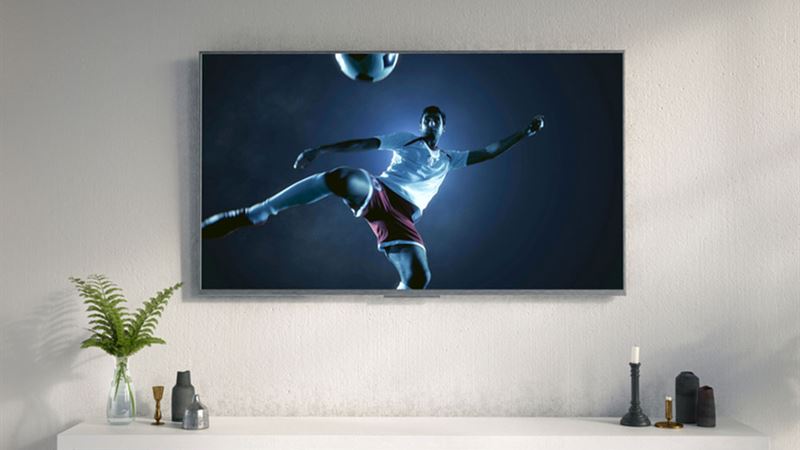
Optimal Placement and Installation Strategies for Your 3D TV
Setting up your 3D television in the ideal location is crucial for an immersive viewing experience. Avoid placing the TV near windows or light sources that can cause glare, which diminishes picture quality and viewing comfort. During daylight hours, darkening the room with curtains or blinds helps enhance the 3D effect. For optimal ergonomic positioning, maintain a viewing distance of at least 8 feet for a 50-inch screen and approximately 10 feet or more for screens 63 inches or larger. Proper placement not only improves picture clarity but also reduces eye strain during long viewing sessions.
Choosing the Right Display Technology for 3D Content
When considering a 3D TV, two primary types of display panels are prevalent: LCD/LED and OLED. Each has distinct advantages and considerations suited to different viewing preferences and budgets. LCD/LED screens are widely available and often come with advanced features for vibrant color and sharp images. Some models excel at rendering immersive 3D visuals, making them a popular choice for gaming and cinematic experiences. OLED displays, on the other hand, offer unparalleled contrast ratios, deeper blacks, and more vibrant colors, providing a richer 3D effect. However, they typically have lower brightness levels compared to high-end LCDs, which might impact viewing in well-lit rooms. Your choice depends on your room conditions, aesthetic preferences, and budget constraints.
Understanding 3D Glasses: Active vs. Passive Technologies
To experience 3D content fully, viewers must wear specialized glasses. Two main types exist: active shutter glasses and passive polarized glasses. Active shutter glasses utilize a battery-powered system synchronized with the TV to alternately block each eye, creating the 3D effect. While they offer excellent image quality and wider viewing angles, they are more expensive, ranging from $50 to over $200 per pair. Passive polarized glasses are simpler and more economical, costing around $5 to $25 per pair. These glasses rely on polarized filters to separate images for each eye and are compatible with many 3D TVs that support the polarized 3D format. When purchasing a 3D TV, it’s essential to confirm which glasses system the device supports and whether you prefer a budget-friendly or premium experience.
Enhancing Audio Experience with 3D Compatibility
Visual technology alone doesn’t guarantee an immersive 3D experience; quality audio is equally vital. If you notice no improvement in sound quality after installing a 3D TV, it may be due to inadequate audio connectivity settings. To maximize 3D effects, use a compatible home theater system or receiver that can process 3D audio signals. A 3D-enabled Blu-ray player connected to a compatible receiver ensures the proper transmission of 3D video along with synchronized audio, delivering a truly immersive experience. High-end audio systems feature surround sound technology, which complements the 3D visuals and heightens the overall entertainment quality. Make sure your audio system supports the latest standards for 3D content and is properly configured to avoid audio lag or quality loss.
In conclusion, choosing the right 3D TV involves careful consideration of placement, display technology, glasses type, and audio connectivity. By understanding these key factors and making informed decisions based on your room environment and viewing habits, you can maximize your home entertainment setup and enjoy stunning 3D visuals with synchronized high-quality sound. As 3D technology continues to evolve, staying updated on the latest features and compatibility standards will ensure that your investment delivers the best possible experience for years to come.