
Comprehensive Guide to Feeding Your Baby: When and How to Introduce Food
This comprehensive guide offers parents detailed advice on feeding their babies, covering when and how to introduce solids, safe preparation methods, and tips for encouraging healthy eating habits as children grow. From early milk feeding to family meals, learn essential strategies for nurturing your child's nutritional needs and fostering a positive relationship with food.
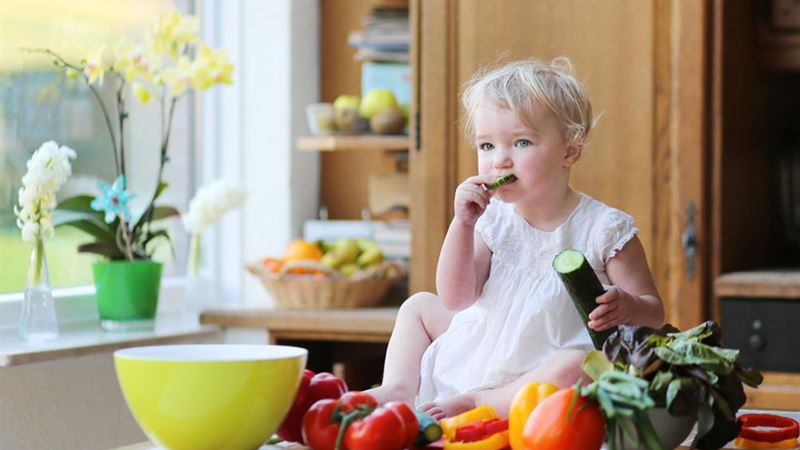
Feeding your baby is a vital part of their growth and development. This period is filled with numerous milestones, from exclusive breastfeeding or formula feeding to the gradual introduction of solid foods. Ensuring your little one receives proper nutrition in a safe and nutritious manner requires understanding the right timing, types of foods, and necessary precautions. Whether you are a new parent or an experienced caregiver, this extensive guide provides essential insights into feeding practices, tips for introducing solids, and strategies for encouraging healthy eating habits in your child.
Initially, newborns thrive on breast milk or formula that closely mimics natural nutrients. If breastfeeding isn't an option or if milk supply is limited, specialized infant formulas enriched with vital vitamins and minerals serve as reliable alternatives. These formulas are crafted to support growth during the early months, offering a balanced mix of nutrients. For working mothers or those unable to breastfeed consistently, accessible formula milk ensures that your baby’s nutritional needs are met without compromise. Choosing high-quality formulas entails careful attention to ingredients and hygiene, ensuring your baby avoids potential allergens and contaminants.
Timing for Introducing Solid Foods
Typically, the transition from exclusive milk feeding to solids should begin around the sixth month, once your infant has developed adequate head control, shows curiosity about food, and has received all necessary vaccinations. Starting too early might cause choking hazards or digestive issues, while delaying beyond six months can result in nutritional gaps. Look for cues such as increased interest in household foods, sitting unsupported, or widening tastes in milk consumption. Always consult with a pediatrician before initiating solids to tailor the approach to your child's individual needs.
Preparing and Serving First Solid Foods
Beginning with simple pureed vegetables and fruits is recommended. You can prepare these at home by boiling fresh vegetables like carrots, potatoes, or squash until soft, then blending them into smooth purees. Ready-made options from baby food aisles are also convenient, offering a variety of nutritious choices. When preparing homemade meals, ensure the puree is free of chunks and coarse textures that could pose a choking risk. It’s best to offer the same food for several days or weeks, even if your baby initially rejects it, to help develop acceptance and taste preferences.
Introducing Finger Foods and Self-Feeding Skills
As your baby develops motor skills and begins to sit independently, usually around 8-9 months, introduce soft finger foods. Cooked vegetable sticks, small pieces of fruit, and soft cheeses are excellent options. The food should be easy to grasp and chew to avoid choking. Gently encourage self-feeding to foster independence, coordination, and confidence during mealtime. Always stay attentive during this phase to prevent choking or allergic reactions and to monitor their ability to handle different textures.
Transitioning to Family Meals
When your toddler can sit upright comfortably, typically by their first year, they are ready to try modified versions of your family’s regular meals. Serve small portions of mashed or chopped food with minimal seasoning to prevent salt and spice overexposure. It's a wonderful opportunity to introduce varied flavors, grains, proteins, and vegetables, cultivating healthy eating habits for life. However, remain vigilant for signs of food intolerance or allergies, such as rashes, digestive upset, or respiratory issues. If any adverse reactions occur, consult your pediatrician promptly.
Food Safety and Hygiene Practices
Maintaining impeccable hygiene is crucial in baby food preparation. Always sterilize bottles, nipples, bowls, spoons, and cups before each use. Use steaming, boiling, or sterilizing solutions to eliminate bacteria that could cause infections. Proper handling of food, staying attentive to cleanliness, and avoiding cross-contamination dramatically reduce the risk of illnesses in young children. This practice is especially important during the introduction of solids when their immune systems are still maturing. Be attentive to food storage, refrigeration, and expiration dates to keep your child's meals safe and healthy.
Monitoring Growth and Nutritional Needs
Regular pediatric visits allow you to track your child's development and nutritional progress. Keep an eye on weight gain, growth milestones, and eating patterns. Engage your doctor about any concerns, whether about food preferences, digestion, or allergies. Adjust the diet accordingly, ensuring your little one receives a balanced intake of proteins, carbohydrates, fats, vitamins, and minerals essential for optimal growth. Remember, patience and persistence are key—introduce new foods gradually and cater to your child’s individual taste and tolerance levels.
Conclusion: Foster Healthy Eating Habits Early
Introducing your baby to a variety of healthy foods early on lays the groundwork for lifelong nutritious habits. Be patient during the transition process, choose age-appropriate foods, and prioritize hygiene and safety. The journey of feeding your child is not only about nourishment but also about encouraging curiosity and developing positive associations with eating. With thoughtful planning and attentive care, you can help your child build a healthy relationship with food that lasts a lifetime.