
Comprehensive Guide to Buying Hearing Aids from Certified Hearing Experts
This comprehensive guide details what to expect when purchasing a hearing aid from a licensed hearing specialist. From initial reception and hearing assessment to device demonstration and final selection, learn how to make informed decisions. The article emphasizes the importance of professional guidance, understanding different hearing aid features, pricing considerations, and post-purchase care, helping individuals improve their hearing health effectively and confidently.
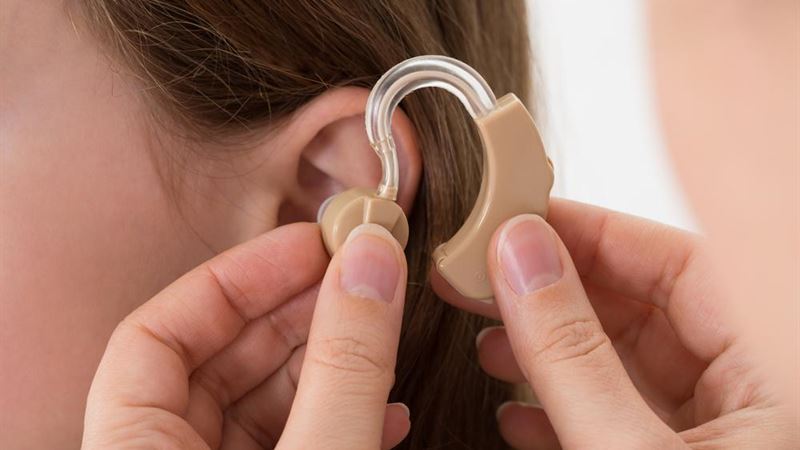
When considering the purchase of a hearing aid, there are several important aspects and expectations to keep in mind during your consultation with a licensed hearing healthcare professional. Understanding what to anticipate can help you make an informed decision and ensure you receive the best possible solution tailored to your needs. This detailed guide aims to walk you through the entire process, highlighting the key steps from initial welcome to final purchase, and what you should expect at each stage of your journey toward better hearing.
Warm Welcome and Initial Contact
Upon your arrival at a reputable hearing clinic, you can expect a friendly and professional greeting from the staff. The front desk personnel are typically prepared to assist with your appointment and may ask you to complete some essential forms. These forms serve a dual purpose: to safeguard your privacy rights and to gather necessary information about your hearing health and medical background. It is vital to provide accurate and comprehensive details to ensure the subsequent assessments are precise and tailored to your specific condition. The welcoming environment should make you feel comfortable and confident in the process ahead.
In-Depth Hearing and Medical History Review
Once settled, the hearing specialist or audiologist will initiate a thorough discussion aimed at understanding your hearing history and current challenges. This step involves asking detailed questions about when you first noticed hearing difficulties, situations where your hearing may be compromised, and any underlying medical conditions that could influence your hearing health. During this conversational assessment, the professional will document your medical history, lifestyle, and communication preferences. This background information is crucial for diagnosing your condition accurately and determining the most suitable intervention plan.
Physical Examination and Diagnostic Testing
The next stage involves a comprehensive physical inspection of your ears. The audiologist will examine your ear canals, eardrum health, and overall ear hygiene. Following this physical check, a series of diagnostic hearing tests will be performed. These tests, which may include pure-tone audiometry, speech recognition tests, and otoacoustic emissions, help identify the specific nature and extent of your hearing loss. After completing these evaluations, the hearing professional will analyze the results and explain them to you. They will clarify the type (sensorineural, conductive, or mixed) and degree of your hearing impairment, as well as potential treatment options.
Experience a Demonstration of Hearing Devices
With the diagnostic results in hand, the hearing specialist may provide you with a demonstration of different hearing aids. Often, this demonstration is conducted in a controlled environment simulating real-world noisy scenarios, such as bustling restaurants, busy streets, or social gatherings. Utilizing advanced computer technology, the professional can show you how various hearing aids will perform in these settings, allowing you to experience firsthand how they can enhance your listening ability. It's important to understand that hearing aids come in diverse styles with varying features, and each model's performance depends on its technological capabilities and your unique needs. The demonstration aims to help you visualize how a particular device will improve your everyday communication.
Pricing, Features, and Technological Options
Cost is a significant concern when selecting a hearing aid. Prices typically range from $700 to $3,000 per device, influenced by features, brand, and technological complexity. Higher-end models often include features like Bluetooth connectivity, rechargeable batteries, noise reduction, and customizable settings, which can significantly improve your overall listening experience. The hearing professional should thoroughly explain the differences among various models, helping you understand the added benefits of advanced features against the price point. Requesting evidence-based information and demonstrations can assist you in making an educated choice aligned with your budget and lifestyle preferences.
Personalized Recommendations and Final Decision
Based on the hearing tests and your individual needs, the specialist will recommend one or more suitable hearing aid models. They will discuss the benefits of each option, associated costs, warranty periods, and maintenance requirements. The goal is to select a device that aligns with your hearing capacity, lifestyle, and financial considerations. Prior to concluding your appointment, the audiologist will prepare a detailed quotation and may request you to sign a purchase agreement or contract. This document typically outlines the model, price, warranty coverage, and return policies. Despite technological advancements lowering the general cost of hearing aids, they remain a significant investment. While there are less expensive hearing amplifiers available on the market, they usually lack the sophisticated functionality and customization offered by genuine hearing aids.
Choosing the Right Hearing Solution and Moving Forward
Making an informed decision and seeking professional guidance is essential to resolving hearing challenges effectively. Remember, early intervention and choosing the appropriate hearing device can significantly improve your communication skills and quality of life. Modern hearing aids are designed to be discreet, efficient, and easy to manage, providing you with a seamless listening experience across various environments. Whether you opt for a basic device or a feature-rich model, the key is to work closely with your hearing care provider to ensure the device meets your needs, and you understand how to operate and maintain it properly. Regular follow-ups and adjustments may be necessary to optimize performance and comfort.
In summary, buying a hearing aid from a qualified professional involves a series of well-structured steps, from initial welcoming and assessment to demonstration and final selection. Being well-informed about options, features, prices, and the technical differences will empower you to make the best decision for your hearing health. Remember, seeking professional assistance early can preserve and improve your auditory function, allowing you to enjoy clearer communication and a richer social life.