
Exploring Mardi Gras: Its Origins and Modern-Day Revelry
Discover the rich history and vibrant traditions of Mardi Gras, from its pagan roots to modern parades, costumes, and celebrations worldwide. Explore the significance of Krewes, elaborate floats, King Cakes, and colorful throws that make this festival uniquely festive. Perfect for cultural enthusiasts and travelers alike, learn how Mardi Gras brings communities together in a spectacular display of joy and heritage.
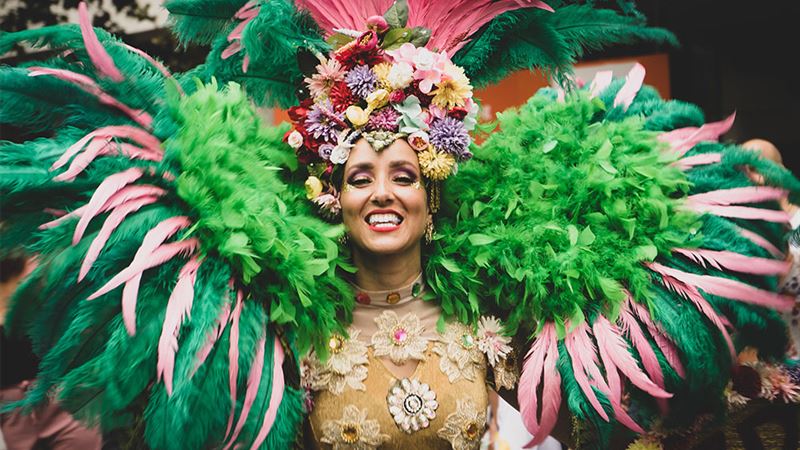
Mardi Gras, a festival with roots stretching back thousands of years, originally stemmed from ancient pagan rituals celebrating fertility, spring rejuvenation, and seasonal change. Over centuries, these festivities blended into Christian customs, symbolizing a last hurrah before Lent—a period of fasting and reflection. Today, Mardi Gras is renowned worldwide, particularly in the United States, for its lively parades, vibrant costumes, and rich cultural traditions that captivate millions each year.
Understanding the significance of Mardi Gras requires delving into its history and evolution over time. The term itself is French, translating to "Fat Tuesday," referencing the tradition of indulging in rich foods before the austerity of Lent. Historically, communities would indulge in hearty meals, elaborate celebrations, and social gatherings as a final act of revelry before the fasting period began. The festival’s origins can be traced back to medieval Europe, where pre-Lenten festivities became deeply ingrained in local cultures.
The earliest recorded Mardi Gras festivities in North America date back to 1699, when French explorers arrived in what is now Louisiana. These early celebrations laid the groundwork for what would become a grand cultural spectacle, especially in New Orleans. The city, with its rich French heritage, transformed Mardi Gras into a large-scale event featuring masked balls, street parades, and communal feasts. Despite periods of suppression and bans, particularly during Spanish rule and later during the Civil War, the tradition persisted and gained renewed vigor in the 19th century.
By the 1830s, organized parades and societies began forming to bring structure to Mardi Gras celebrations. The Mistick Krewe of Comus, established in 1856, was among the first organized groups to parade through the streets, introducing floats, costumes, and a sense of pageantry that would become hallmarks of the festival. These groups, called Krewes, play a crucial role in coordinating parades, balls, and other festivities, often operating as exclusive secret societies. Membership in these Krewes is highly coveted, and they continue to foster the tradition of elaborate, themed parades attended by thousands of spectators.
Modern Mardi Gras celebrations are characterized by their grandeur and exuberance. The parade floats are masterpieces of craftsmanship, decorated with vivid colors, themed designs, and intricate details. Each Krewe might have its own signature float or motif, and many incorporate elements of local folklore and history. Costumes and masks are a vital aspect of the celebration, symbolizing the tradition of disguising one's identity to break down social and class barriers. Participants often wear elaborate masks, wigs, and costumes—sometimes handmade—to embody the festive spirit.
The throwing of beads, coins, and small trinkets—known as throws—is an iconic part of Mardi Gras. Originally, glass beads were used, but now plastic beads, colorful cups, plush toys, and commemorative doubloons are common gifts tossed from parade floats to onlookers, creating a lively and interactive atmosphere. These throws often carry the logo of the Krewe and are highly prized by collectors and fans. Special throws, such as decorated coconuts or glittering shoes, can become treasured souvenirs.
Decorative elements are also integral to the celebration. The official Mardi Gras colors—purple, green, and gold—are prominently featured across parade floats, costumes, and decorations, symbolizing justice, faith, and power respectively. The Krewe of Rex established these colors, which have since become synonymous with Mardi Gras festivities. Parade floats are adorned with papier-mâché figures, flower motifs, and lighting effects. Large, ornate floats often feature allegorical designs, mythological figures, and historical themes, enhancing the visual spectacle.
One of the most beloved Mardi Gras traditions is the King Cake, a sweet, cinnamon-flavored pastry decorated with purple, green, and gold sugar. Inside the cake is a small plastic baby figurine; the person who finds the baby in their slice is tasked with hosting the next celebration. Originating from French and Spanish culinary traditions, the King Cake is now a symbol of good luck and celebration during Mardi Gras season. Many bakeries and home cooks prepare King Cakes, which are enjoyed by families and communities alike.
While New Orleans remains the epicenter of Mardi Gras festivities, other locations also host lively celebrations. Universal Studios in Orlando, Florida, offers its own Mardi Gras events, complete with parades, food stalls featuring traditional dishes such as jambalaya and King Cake, and musical performances. These events aim to bring the spirit of Mardi Gras to a broader audience, emphasizing fun, community, and cultural appreciation.
In summary, Mardi Gras is a celebration that beautifully combines historical origins, cultural traditions, and modern festivities. From the secretive Krewes and grand parades to the vibrant costumes and delicious foods, it embodies joy, community, and the enduring spirit of merrymaking. Whether in New Orleans or other parts of the world, Mardi Gras continues to enchant and unite people in revelry each year, making it one of the most exciting festivals globally.