
Understanding Emphysema: Causes, Symptoms, and Potential Complications
Emphysema is a progressive lung disease that damages alveoli, impairing oxygen transfer. It can lead to serious complications such as pulmonary hypertension, right-sided heart failure, bullae, and pneumothorax. Managing the disease involves maintaining proper oxygen saturation, avoiding lung irritants, and lifestyle changes like quitting smoking. Although current treatments slow progression, they don't reverse damage. Prevention through smoking cessation and avoiding pollutants is crucial. Early diagnosis and comprehensive management significantly improve quality of life and survival chances. Understanding these aspects is vital for effective emphysema care.
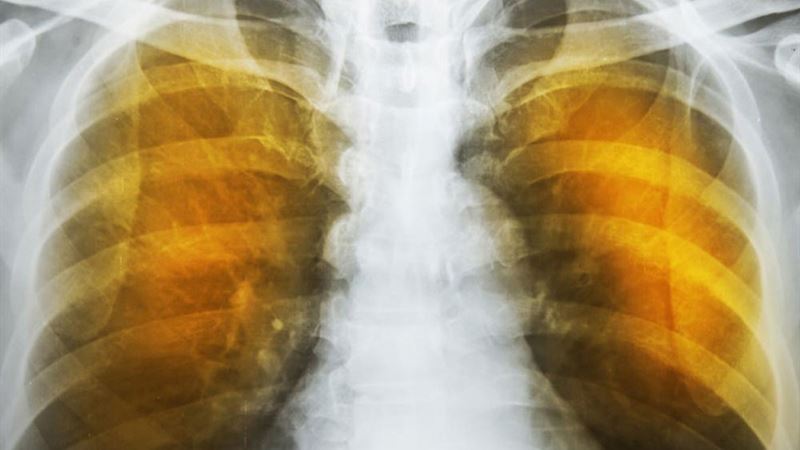
Emphysema is a debilitating lung condition characterized by damage to the alveoli—the tiny air sacs where oxygen exchange occurs. This damage impairs the lungs' ability to transfer oxygen into the bloodstream efficiently, leading to various health issues. Managing emphysema involves maintaining appropriate oxygen levels, which typically range from 88% to 94% saturation, measured in arterial blood. Striving for oxygen levels higher than this can be risky and should be done only under close medical supervision. Recognizing the complexities of this disease and its potential complications is crucial for effective management and improving quality of life.
Understanding the Complications of Emphysema
Persistent lung damage from emphysema triggers a cascade of health problems, primarily driven by chronic oxygen deficiency, or hypoxia. The body initially responds to hypoxia by attempting to compensate through several mechanisms, but these often become insufficient as the disease advances. One of the most critical complications is the development of pulmonary hypertension, which results from increased blood pressure within the pulmonary arteries. The heart, trying to adapt to these changes, faces increased workload, particularly on the right side.
In an attempt to manage the extra blood flow, the chambers of the right side of the heart dilate—a phenomenon known as dilation. Over time, this dilation leads to hypertrophy, or thickening, of the right ventricular muscle, which can eventually impair heart function. This progression culminates in right-sided heart failure, also called cor pulmonale, which can be life-threatening if not managed properly. Symptoms may include swelling in the legs, abdominal discomfort, and fatigue, which are signs of the heart struggling to pump efficiently.
Another devastating complication involves the structural deterioration of alveoli—the tiny sacs responsible for exchanging gases. In emphysema, these alveoli weaken over time and can rupture, creating large empty spaces within the lung tissue called bullae. These bullae significantly reduce the lung's capacity to expand and participate in gas exchange, leading to decreased oxygen levels and further respiratory compromise. Large bullae may need to be surgically removed to restore lung function, especially when they interfere significantly with breathing. In severe cases, a lung transplant may become the only viable option for survival.
Moreover, the destruction of alveoli can be so extensive that entire regions of the lung collapse, resulting in pneumothorax—a condition where air leaks into the chest cavity, causing lung collapse. This condition is critical and demands immediate medical intervention, as it can be fatal if not promptly treated. The loss of lung tissue elasticity and function due to emphysema means that many of the disease’s symptoms, including severe shortness of breath and frequent asthma-like episodes, are essentially irreversible. While treatments can slow disease progression, they cannot restore the lost lung tissue.
Preventative strategies are vital for anyone at risk or diagnosed with emphysema. The foremost step in prevention is to eliminate exposure to tobacco smoke—both active and passive. Smoking cessation dramatically reduces the risk of developing emphysema and minimizes disease progression in existing cases. Additionally, avoiding environmental pollutants, occupational irritants, and other lung-damaging substances can be beneficial. Maintaining a nutritious diet and engaging in regular physical activity help in managing overall health and lung function. Avoiding weight gain is particularly important, as obesity can exacerbate breathing difficulties and complicate disease management.
Ultimately, the key to managing emphysema lies in early detection, lifestyle modifications, and medical support aimed at alleviating symptoms and slowing disease progression. While current treatments cannot reverse existing lung damage, they can improve quality of life and extend longevity. Patients should work closely with healthcare providers to develop comprehensive management plans tailored to their specific needs, including oxygen therapy, medications, pulmonary rehabilitation, and in severe cases, surgical options like lung transplantation. Staying informed and proactive is essential in facing the challenges posed by emphysema and ensuring the best possible outcomes.