
Comprehensive Guide to Successfully Painting Your Home's Exterior
This comprehensive guide covers all essential steps for painting your home's exterior, including surface preparation, cleaning, sealing, color selection, and application techniques. Proper execution ensures a durable, visually appealing finish that withstands weather conditions and enhances curb appeal, providing valuable insights for DIY enthusiasts and professionals alike. By following these detailed procedures, you can achieve a long-lasting, professional-looking exterior paint job that protects your home and elevates its appearance for years to come.
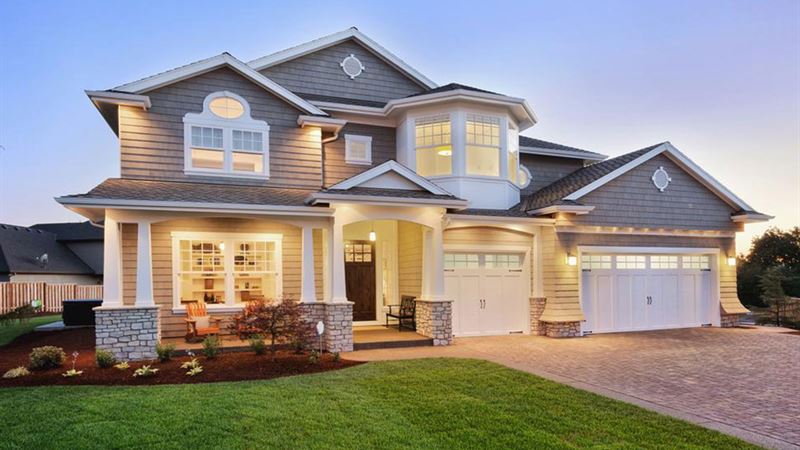
Transforming the exterior of your home requires a strategic approach to ensure a durable and aesthetically pleasing finish. Whether you're undertaking a DIY project or hiring professionals, understanding the essential steps involved can make all the difference in achieving lasting results. This detailed guide will walk you through every crucial phase of home exterior painting, from initial surface preparation to selecting the right colors and finishes, ensuring your property's curb appeal is maximized and protected against environmental factors.
Thorough Cleaning of Exterior Surfaces
The first and most vital step in any exterior painting project is preparing the surface properly. Exterior walls are exposed to various elements such as dirt, dust, pollution, and biological growth like mold and mildew. Over time, these contaminants accumulate, compromising the integrity of the surface and affecting paint adhesion. Before applying any paint, it's essential to remove all grime, dirt, and biological growth to create a clean, smooth base. This process not only enhances the appearance but also prolongs the lifespan of the new coat of paint. Depending on the severity of dirt and growth, different cleaning methods may be employed.Power Washing for Deep Cleaning
Once the surface is free of superficial dirt, the next step is using a high-pressure water jet, commonly known as power washing, to thoroughly cleanse the walls. Power washing helps in stripping off loose paint, dirt, and other debris, revealing the underlying surface. Proper pressure settings are crucial; too high can damage the surface, especially on older or fragile materials, while too low might not adequately clean the surface. When executed correctly, power washing hydrates the wall, if necessary, and prepares it for subsequent treatments. After cleaning, allow ample time for the surface to dry completely before proceeding further, as moisture can hinder adhesion and lead to issues like peeling.Repairing and Sealant Application
Before applying paint, inspect the walls meticulously for cracks, holes, or damaged areas. Filling these imperfections with high-quality caulk or sealant prevents water intrusion, which is especially critical in climates with frequent rainfall or high humidity. Proper sealing not only maintains structural integrity but also ensures an even paint finish. It's wise to invest in good-quality sealants suitable for external use to ensure durability. Applying a sealant or filler takes only a little extra effort but can significantly extend the longevity of your paint job, shielding your home from moisture-related problems and structural damage.Choosing the Right Paint and Colors
The next vital stage involves selecting appropriate exterior paints and colors. The market offers a plethora of options, including matte, satin, gloss, and textured finishes, each serving different aesthetic and functional purposes. When choosing colors, consider your home's architectural style, surrounding environment, and local climate. Consulting with professional painters or color specialists can help you pick shades that enhance your home's appearance and reflect your personal style. Also, look for weather-resistant, UV-protected paints that withstand sunlight, rain, and temperature fluctuations, ensuring your paint retains its vibrancy for years to come. Don't forget to choose high-quality paints that adhere well and resist peeling, cracking, and fading.Application and Finishing
Applying paint requires precision and proper technique. Use appropriate brushes, rollers, or sprayers for even coverage. Multiple coats may be necessary, especially with lighter colors over darker shades. Always follow the manufacturer's instructions concerning drying time between coats. Once the painting is complete, consider applying a protective topcoat or weatherproof sealant to enhance durability, waterproofing, and UV resistance. Modern exterior paints often come with built-in protective properties, which can save money and effort in the long run. Finally, inspecting the entire surface ensures uniform coverage and addresses any touch-ups required for a flawless, professional finish.Undertaking a home exterior painting project can significantly improve curb appeal, boost property value, and protect your investment. By following these detailed steps—thorough cleaning, surface repair, smart color selection, and proper application—you ensure a long-lasting and stunning exterior. Remember, patience and attention to detail at each stage make all the difference in achieving a professional-quality result that withstands the elements for years to come.