
Embracing the Future of Smart Voice Technology: Innovations and Challenges
As voice assistants become integral to smart homes and daily routines, understanding their benefits, challenges, and future prospects is essential. This comprehensive guide explores their intelligent features, privacy concerns, security risks, and technological advancements, offering insights into how industry leaders are shaping the next era of AI-powered assistants. Discover how evolving voice technology aims to balance convenience with security, and what the coming years hold for consumers and developers alike.
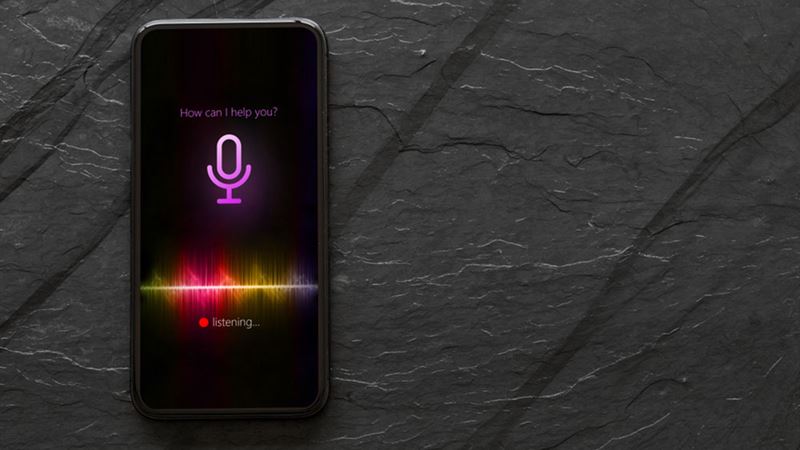
In the rapidly evolving landscape of digital technology, voice-controlled virtual assistants have emerged as revolutionary tools transforming daily life. From providing culinary guidance to managing routine reminders, these intelligent digital aides offer seamless integration with a multitude of connected devices—smartphones, TVs, speakers, lighting systems, and even kitchen appliances like coffee makers and smart thermostats. Such convenience enables users to operate their homes and digital environments effortlessly, often through simple voice commands, without the need for manual interaction. This technology is not exclusively for tech enthusiasts or multitasking professionals; it holds significant potential for elderly individuals, disabled persons, and anyone seeking more accessible living. The proliferation of voice assistants signifies a shift towards more intuitive and integrated smart environments, making everyday tasks more efficient and accessible.
Despite their impressive capabilities, virtual assistants face some skepticism and challenges in widespread adoption. A primary concern revolves around privacy and data security. These assistants continuously listen for activation phrases, which raises questions about unintentional recordings of private conversations. The data collected—such as search histories, voice recordings, and personal preferences—are often stored in the cloud, raising fears over potential misuse or breaches. Companies that develop these assistants often leverage user data for targeted advertising and marketing campaigns, which adds to consumer hesitations about privacy invasion. Additionally, the interconnected nature of smart home devices introduces vulnerabilities; hackers could potentially exploit insecure devices to access sensitive information or even manipulate household systems, leading to concerns about personal safety and digital security.
Another hurdle is the accuracy and legitimate recognition of users. Voice assistants occasionally struggle to distinguish between different speakers or misinterpret commands due to background noise or overlapping voices. There have been documented instances where unintended sounds, background TV noise, or voices of children have activated the devices or initiated unauthorized purchases, raising questions about security protocols. Furthermore, these devices can inadvertently record conversations unfolding around them, storing snippets of private dialogue that may later be accessed by unauthorized parties or misused. This potential breach of privacy emphasizes the need for robust safeguards and intelligent contextual recognition systems.
Given these concerns, the question arises: Are we genuinely prepared to allow these AI-powered assistants to dominate our personal spaces and daily routines? Currently, the answer leans toward skepticism. While the technology continues to improve, significant hurdles remain before voice assistants can fully secure user privacy and operate with high reliability. Over the next few years, industry giants such as Amazon, Apple, Google, and Microsoft are expected to focus intensely on refining these systems. Efforts include enhancing voice recognition accuracy, implementing stronger security measures, and designing more human-like interactions. The technological race aims to balance innovation with safety, ensuring that voice assistants are both user-friendly and resilient against malicious threats. As these advancements unfold, the next two to three years are crucial for establishing standards and practices that will determine how securely and effectively voice assistants can be integrated into everyday life. The future of smart voice technology hinges on resolving these core challenges, paving the way for more secure, efficient, and humanized digital assistants.