
Comprehensive Guide to Vitiligo: Symptoms, Causes, and Effective Management Strategies
This comprehensive guide explores vitiligo's signs, causes, and treatments. It details symptoms like white patches, hair whitening, and sun sensitivity, along with genetic and environmental triggers. Management strategies include topical treatments, phototherapy, and psychological support, emphasizing personalized care for better quality of life. Essential for patients and caregivers, this article highlights the importance of early diagnosis and proactive management to control disease progression and improve skin appearance.
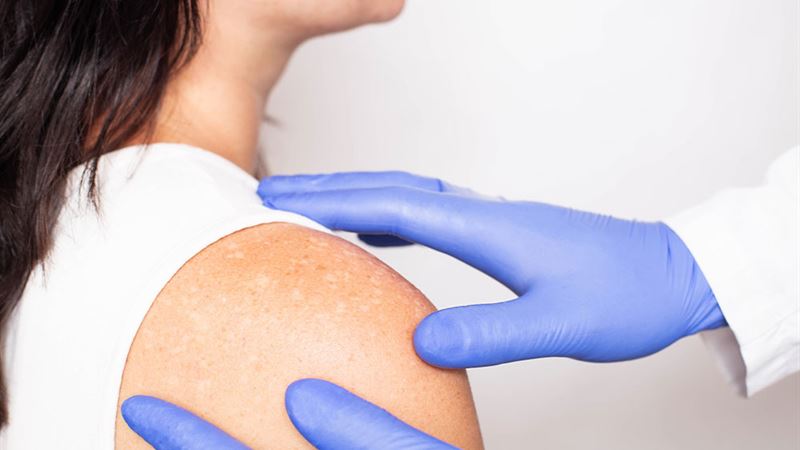
Appearance of White Patches on Skin
Vitiligo is characterized by the development of distinct white patches on various parts of the body due to the loss of melanocytes, the cells responsible for skin pigmentation. When active, the disease causes these patches to exhibit a pink or multicolored hue, creating a stark contrast with the surrounding natural skin tone. Over time, as the condition stabilizes or remits, these patches often turn entirely white, leading to noticeable skin depigmentation. The pattern and progression can vary widely among individuals, making early detection and management crucial for controlling the appearance and spread of vitiligo.
Lesions Around Oral and Facial Regions
Since vitiligo is versatile in its manifestation, it can affect any skin area, including sensitive regions like the lips, inside the mouth, and around the nose. Patients often report noticing white patches on their lips, inside the oral cavity, or at the corners of the nose. These areas are particularly vulnerable because of their constant exposure to environmental factors and frequent movement. The presence of patches in these locations can not only affect physical appearance but also impact psychological well-being, emphasizing the importance of comprehensive management strategies.
Sun Sensitivity and Photo-reactivity
A common sign of vitiligo is increased sensitivity to sunlight, leading to rapid sunburns on depigmented skin. Reduced melanin levels hinder the skin’s natural defense against ultraviolet (UV) radiation, making affected areas more susceptible to burns. Prolonged or intense sun exposure can further aggravate the condition, possibly triggering new patches or enlarging existing ones. Hence, individuals with vitiligo should adopt sun protection measures, such as using broad-spectrum sunscreens, wearing protective clothing, and seeking shade during peak hours to minimize sun damage and prevent disease progression.
Itching and Discomfort in Affected Zones
An often overlooked symptom is itching or mild discomfort in regions experiencing vitiligo activity. Individuals newly diagnosed or experiencing active phases may notice persistent itching that prompts frequent scratching. Interestingly, the itch tends to diminish or disappear as the disease enters a stable phase. The absence of ongoing discomfort in many cases can sometimes lead to delayed recognition or underestimation of disease severity, making regular skin checks essential, particularly for early intervention.
Hair Color Changes and Early Depigmentation Signs
Vitiligo can also affect hair pigmentation, leading to premature whitening or graying in certain areas. The loss of melanin not only results in white patches but may also cause hair strands—on the scalp, eyebrows, eyelashes, or body hair—to turn gray or white. These changes are often among the earliest visible signs, especially when patchy depigmentation occurs in localized regions. Individuals may also observe streaks or patches of white hair, which can serve as important clues for early diagnosis. The disease sometimes causes partial or complete depigmentation of eyelashes and eyebrow hairs, affecting facial aesthetics.
Auditory and Vision-Related Manifestations
Because melanocytes are present in the inner ear and eyes, vitiligo can occasionally lead to additional symptoms involving hearing and vision. The immune system’s attack on melanocytes may extend beyond skin, potentially impairing inner ear function and resulting in subtle hearing deficits. Furthermore, changes in eye pigmentation—particularly in the iris or retina—may occur in some individuals. Such alterations could be early indicators of the disease and, in rare circumstances, may contribute to vision problems if unchecked. Regular ophthalmic examinations are thus advisable for those with extensive or progressive vitiligo.
Signs in Pediatric Cases
Detecting vitiligo in children often requires keen observation since symptoms can be subtle initially. Young children commonly develop white patches on their hands, arms, or face, with some noticing early hair whitening. In many cases, patches may stay localized, but others exhibit rapid and widespread depigmentation. Early signs include lighter skin in patches, premature graying of hair, and whitening of hairs on eyebrows and eyelashes. Notably, the disease may affect internal eye structures, leading to changes in retinal pigmentation, which could be detected during pediatric eye exams. Parents should seek dermatological advice promptly if any of these signs appear to facilitate early intervention.
- The skin loses pigmentation, creating patches that are lighter than surrounding areas and may spread over the body.
- Children can experience early graying or whitening of hair, especially in the eyebrows, eyelashes, and scalp, without other underlying causes.
- Onset often occurs in crevices or mucous membranes, including inside the mouth and nose.
- Eye color changes, such as lightening of the iris, may occur, signaling early disease activity.
Understanding the Causes of Vitiligo
The exact etiology of vitiligo remains uncertain, but multiple factors are believed to influence its development. Genetic predisposition plays a significant role, as family history increases susceptibility. Environmental triggers such as excessive sun exposure, skin injuries (like cuts or abrasions), and contact with certain chemicals may activate autoimmune responses that target melanocytes. Additionally, individuals suffering from other autoimmune disorders—like psoriasis, lupus, Hashimoto’s thyroiditis, or alopecia areata—are at greater risk for developing vitiligo. These autoimmune conditions share a common pathway of immune dysregulation, which can attack melanocytes and cause depigmentation. Understanding these underlying mechanisms helps in devising tailored treatment approaches and preventive measures.
Available Treatment Strategies and Management Options
Currently, there is no definitive cure for vitiligo. However, various treatments can help manage symptoms, reduce the spread of patches, and restore skin color to an extent. Topical therapies include corticosteroids and calcineurin inhibitors, which can suppress immune activity and promote repigmentation. Phototherapy, particularly narrow-band ultraviolet B (UVB) therapy, has shown promising results in stimulating melanocyte activity. Cosmetic options like camouflage makeup, tanning, and skin dyes assist in improving appearance and boosting confidence. Psychological support such as counseling or cognitive-behavioral therapy is also critical for coping with the emotional impact of the disease. It’s essential to adopt sun safety practices and maintain skin health, as external triggers can exacerbate symptoms. Understanding the disease’s unpredictable nature, patients are encouraged to work closely with dermatologists to develop personalized management plans that suit their condition and lifestyle.