
Essential Nutritional Supplements for Enhancing Cardiovascular Well-being
Discover scientifically proven supplements that support heart health. From fiber and plant sterols to omega-3s, garlic, CoQ10, and niacin, learn how these nutrients can help lower cholesterol, improve blood vessel function, and reduce cardiovascular risks. Get expert insights on optimal dosages and integration into your daily routine for a healthier heart and overall well-being.
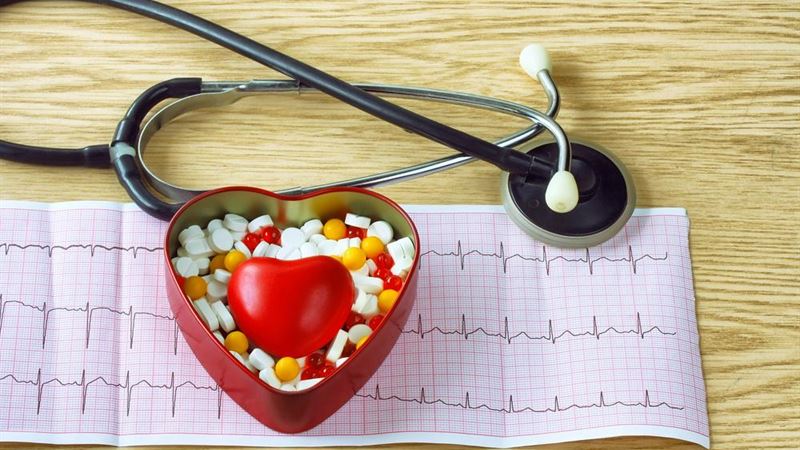
Maintaining a healthy heart is a priority for many individuals aiming to prevent cardiovascular diseases. Incorporating specific dietary supplements can play a significant role in supporting heart health by managing cholesterol levels, improving blood vessel function, and reducing the risk factors associated with heart disease. This comprehensive guide explores various scientifically backed supplements, their mechanisms, recommended doses, and how they can be integrated into your daily routine to promote optimal cardiovascular function.
One of the fundamental components for a healthy heart diet is dietary fiber, which actively reduces cholesterol levels in your bloodstream. Adults should aim for a daily fiber intake of approximately 25 to 30 grams to support cardiovascular health. For men under 51, this recommendation increases to about 38 grams daily. If it becomes challenging to reach these fiber targets through diet alone, supplements like psyllium husk can be highly effective. Psyllium, a soluble fiber, has been shown to lower low-density lipoprotein (LDL) cholesterol — often termed the 'bad' cholesterol — while simultaneously boosting high-density lipoprotein (HDL), the 'good' cholesterol. Ensuring adequate hydration when consuming fiber supplements aids digestion and maximizes benefits.
- Sterols and Stanols: These natural compounds are found in foods such as grains, nuts, and seeds and are available as over-the-counter supplements. They work by blocking the absorption of dietary cholesterol in the intestines, thus reducing overall cholesterol levels. The suggested daily intake is about 2 grams, which can effectively lower LDL cholesterol and contribute to improved lipid profiles.
Another vital supplement for heart health is Coenzyme Q10, also known by its forms Ubiquinol and Ubiquinone. The body naturally produces CoQ10 in small amounts, but supplementation can enhance its levels significantly. CoQ10 supports the contractility of the myocardium, the heart muscle, and has been found to lower blood pressure readings in individuals with hypertension. Additionally, CoQ10 has shown promise in alleviating some adverse effects associated with statin medications, such as muscle pain and weakness, making it a valuable addition for those on cholesterol-lowering therapy.
- Omega-3 Fatty Acids: Richly present in fatty fish like salmon, mackerel, and sardines, Omega-3s are essential for maintaining healthy lipid levels. They help regulate triglycerides, prevent the buildup of arterial plaque, and reduce inflammatory processes that contribute to atherosclerosis. A daily dose of about 1000 milligrams (1 gram) of Omega-3 supplements is recommended for cardiovascular protection, especially when dietary intake from fish is limited.
Garlic has long been recognized for its medicinal properties, and recent research confirms its role in cardiovascular health. Garlic extracts lower triglyceride and total cholesterol levels, while some evidence suggests they may modestly raise HDL cholesterol. The organosulfur compounds in garlic act as potent antioxidants, which combat oxidative stress—a key player in the development of heart disease. Including garlic in your diet or taking supplements can offer cardioprotective benefits.
- Niacin (Vitamin B3): Niacin is known to improve lipid profiles by increasing HDL cholesterol while lowering LDL and triglycerides. It achieves this by promoting vasodilation—the widening of blood vessels—thus improving blood flow. The typical safe dosage ranges from 50 to 200 milligrams daily, but it's essential to consult a healthcare provider before initiating supplementation because high doses can cause side effects like flushing and liver issues.
It's crucial to remember that individual responses to these supplements vary based on genetics, existing health conditions, and lifestyle factors. Regular monitoring of lipid levels and consultation with a healthcare professional are recommended to determine what combination of supplements works best for your unique health profile. When used appropriately, these supplements can synergistically support cardiovascular health, increase energy, and improve overall well-being, provided they are part of a balanced lifestyle that includes a nutritious diet and regular exercise.
In conclusion, incorporating scientifically supported nutritional supplements into your daily regimen can be a proactive way to preserve heart health. From fiber and plant sterols to omega-3 fatty acids, garlic, CoQ10, and niacin, these options offer diverse mechanisms to combat cardiovascular risk factors. Always prioritize a healthy lifestyle and seek medical guidance before starting new supplements to ensure safety and optimal results in your journey toward a healthier heart.