
Complete Guide to Pergola Pricing: How to Budget for Your Outdoor Structure
This extensive guide offers detailed insights into pergola costs, detailing material options, design considerations, installation factors, and long-term maintenance. It helps homeowners plan and budget effectively for their outdoor structure, ensuring a perfect balance of style, functionality, and affordability. From wood and vinyl to aluminum and steel, discover what influences pergola pricing and how to choose the best option for your needs. Learn about DIY versus professional installation, additional features, and maintenance to make informed decisions that elevate your outdoor living experience.
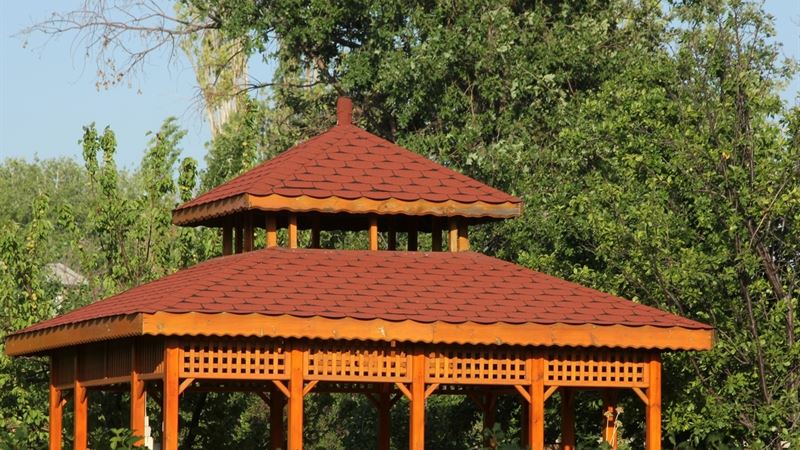
Understanding Pergola Costs: An In-Depth Overview
Creating an inviting outdoor space often includes adding a pergola—an elegant structure that offers a perfect blend of style and functionality. Whether you're envisioning a shaded dining area, a cozy retreat, or a stunning garden accent, understanding the costs involved is crucial for crafting a realistic budget. This comprehensive guide explores the diverse factors influencing pergola prices, ranging from materials and design intricacies to installation expenses and long-term maintenance. By delving into each aspect, homeowners and property developers can make informed choices tailored to their needs and financial plans.
Types of Pergolas and Their Price Ranges
-
1. Timber-Based Pergolas
These pergolas are crafted from various wood species, each offering unique aesthetic and durability qualities. Cedar, redwood, pressure-treated pine, and exotic hardwoods are common choices, each with differing costs and maintenance needs. Timber pergolas generally symbolize a classic, rustic appeal that naturally integrates with garden landscapes and outdoor settings.
Price Range: $2,000 - $5,000 for an standard 10 by 10 feet structure. Larger or custom designs can elevate costs considerably.
Pros & Cons: Wood provides excellent aesthetic appeal and versatility in design, but it often requires ongoing maintenance, including sealing, staining, or treatment to prevent rot, insect infestations, and weather-related deterioration.
-
2. Vinyl Pergolas
Constructed from durable synthetic vinyl, these pergolas often feature a finished look that mimics painted or stained wood, delivering a modern aesthetic with less upkeep. The maintenance-free nature of vinyl makes it an attractive option for many homeowners.
Price Range: $1,500 - $4,000, depending on size and design complexity.
Advantages & Drawbacks: Vinyl pergolas are highly resistant to peeling, cracking, and fading, requiring minimal upkeep. They are also lightweight and relatively easy to install. Nonetheless, they may lack the natural warmth of wood and can be susceptible to discoloration under intense sunlight over time.
-
3. Aluminum Pergolas
Made from lightweight yet sturdy aluminum, these structures provide a sleek, contemporary look with excellent resistance to rust and corrosion. They are a popular choice for coastal or humid environments due to their durability.
Price Range: $1,200 - $3,000. The price varies based on design, size, and additional features.
Benefits & Limitations: Aluminum pergolas are virtually maintenance-free, highly resistant to the elements, and offer customizable designs. They tend to be more economical than steel but may lack the heft and perceived durability of heavier materials.
-
4. Steel Pergolas
These are constructed from galvanized or stainless steel, providing exceptional strength and modern industrial aesthetics. Their robustness makes them suitable for larger or more elaborate outdoor structures.
Price Range: $3,000 - $6,000, influenced by size, complexity, and finishing options.
Considerations: Steel pergolas are highly durable and nearly maintenance-free but tend to be heavier and more costly to install, often requiring specialized equipment and expertise. Their sleek, modern look often complements contemporary homes and designs.
Factors Influencing Pergola Cost
-
Size of the Structure
Larger pergolas naturally demand more materials and labor, thereby increasing expenses. Custom-sized pergolas, tailored to specific yard dimensions, can significantly add to the overall cost.
-
Design Complexity
Intricate designs with decorative elements, curved beams, or integrated features like shelves, lighting, or built-in seating elevate costs. The more personalized and detailed the design, the higher the investment needed.
-
Installation Site
The specific location impacts costs, especially if the ground requires leveling, or if there are obstacles such as trees, rocks, or existing structures. Complex installation scenarios can lead to additional labor expenses.
-
Labor Expenses
Engaging professional contractors adds to the total budget. Labor costs depend on project difficulty, location, and local wage rates, typically ranging from $500 to over $2,000 for more elaborate projects.
-
Additional Features and Accessories
Options like retractable canopies, integrated lighting systems, hanging plants, or privacy screens can substantially increase project costs, but also enhance usability and aesthetic appeal.
DIY vs. Hiring Professionals
-
While constructing your own pergola using DIY kits can save money, it requires skills, tools, and time. DIY kits typically range from $1,000 to $3,000 depending on material and size. For those lacking experience, professional installation offers assurance of proper setup, adherence to building codes, and often comes with warranties.
-
Professional installation ensures safety, durability, and compliance. It also provides peace of mind with warranties covering workmanship and materials.
Long-Term Maintenance and Cost Considerations
-
Maintenance varies significantly based on the material used. Wooden pergolas may need periodic staining, sealing, and pest control measures, typically every couple of years. Vinyl and aluminum options generally require minimal upkeep, mainly cleaning and occasional inspections.
-
Accounting for these ongoing maintenance costs when planning your budget ensures a more accurate understanding of total expenditures over the years.
Why Investing in a Pergola Is Worth It
Adding a pergola transforms outdoor spaces into functional, stylish retreats that increase your property’s value. By understanding the various cost factors—from choosing the right material to considering installation and long-term upkeep—you can create an outdoor haven that aligns with your aesthetic preferences and budget constraints.
Careful planning and informed decision-making allow homeowners to enjoy the benefits of a stunning pergola without overspending. Ultimately, whether you prefer the timeless appeal of wood or the sleek modernity of aluminum, a well-designed pergola promises years of enjoyment and enhances the beauty of your outdoor environment.