
Comprehensive Guide to Nerve Injury: Symptoms, Early Signs, Causes, and Treatment Options
This extensive guide explores nerve injuries by detailing their types, symptoms, causes, and treatment options. It emphasizes early recognition of nerve damage signs in limbs and outlines how medical professionals assess and manage various nerve-related health issues. Understanding these aspects is essential for prompt treatment and improved recovery outcomes, making this resource invaluable for those affected or seeking to prevent nerve injuries.
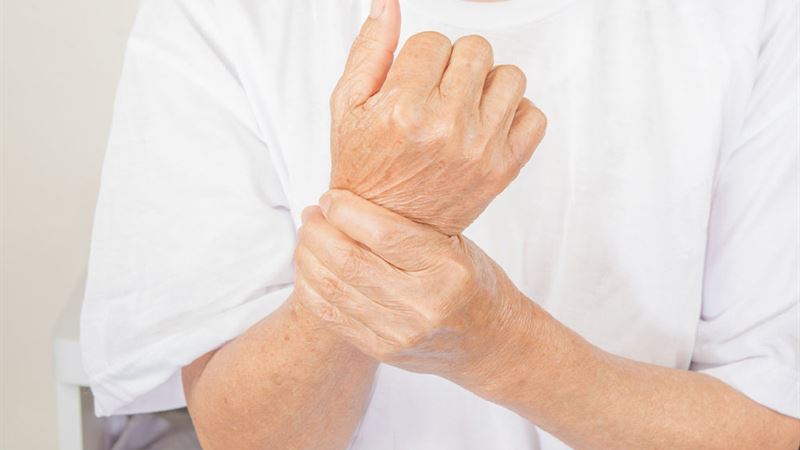
Nerve Anatomy and Functions
Understanding the nervous system's complexity is crucial in recognizing nerve injuries. The nervous system comprises various types of nerves, each with specialized roles that coordinate bodily functions and sensory perceptions. Three primary categories include motor nerves, sensory nerves, and autonomic nerves, all playing distinct roles in maintaining normal bodily operations. Damage to any of these nerve types can significantly impair muscle control, sensation, or involuntary bodily functions, leading to a wide range of symptoms and health issues.
Motor Nerves
Motor nerves are responsible for transmitting signals from the brain and spinal cord to muscles, enabling movement and coordination. These nerves control voluntary muscle actions such as walking, speaking, grasping objects, and facial expressions. When motor nerves are injured or dysfunctional, individuals may experience muscle weakness, cramps, twitching, or even paralysis in affected areas. In severe cases, the inability to control muscle movements can hamper daily activities significantly, impacting quality of life.
Sensory Nerves
Sensory nerves carry information from the skin, muscles, and other tissues back to the brain and spinal cord. They enable us to perceive sensations such as touch, pain, temperature, and proprioception (sense of body position). Damage to sensory nerves often manifests as numbness, tingling, prickling, or burning sensations. People affected may have difficulty perceiving pain or temperature changes, which can pose safety risks, especially if burns or injuries go unnoticed or untreated.
Autonomic Nerves
Autonomic nerves regulate involuntary functions essential for survival, such as heart rate, digestion, blood pressure, and respiratory rate. Dysfunction within the autonomic nervous system can have profound effects on overall health. Symptoms of autonomic nerve damage include abnormal sweating, blood pressure irregularities, digestive problems, bladder and sexual dysfunction, and issues like dry eyes or mouth. Severe autonomic nerve impairment can lead to life-threatening conditions if not diagnosed and managed promptly.
Recognizing the Signs of Nerve Damage
Early detection of nerve injury is vital for effective treatment. The initial signs often appear in areas farthest from the brain and spinal cord, such as the hands, feet, or legs. Painful sensations like stabbing or burning pain, numbness, tingling, or weakness can serve as early indicators. The severity and type of symptoms vary depending on which nerves are affected and the extent of damage. Recognizing these signs promptly can assist in preventing long-term complications and improving recovery prospects.
Symptoms of Different Nerve Injuries
Careful observation of symptoms can help pinpoint the affected nerve type and guide treatment plans. Below are detailed symptoms related to nerve damage types:
- Motor Nerve Damage Symptoms: Muscle control is compromised, leading to:
- Muscle cramps and spasms
- Twitching and involuntary movements
- Muscle wasting or atrophy
- Weakness in affected muscles
- Paralysis in advanced cases
- Difficulty gripping or holding objects
- Sensory Nerve Damage Symptoms: Sensory perception is affected, resulting in:
- Numbness in the affected limbs
- Tingling or prickling sensations
- Burning or shooting pain
- Heightened sensitivity to touch or temperature
- Loss of proprioception leading to balance issues
- Autonomic Nerve Damage Symptoms: Involves involuntary functions, with signs including:
- Abnormal sweating (either excessive or absent)
- Inability to detect chest pain or signs of a heart attack
- Dizziness or lightheadedness
- Dryness in eyes and mouth
- Bladder and bowel irregularities
- Sexual dysfunction
- Constipation
Understanding these symptoms and their progression facilitates early medical intervention, which can significantly improve outcomes and quality of life.
Causes of Nerve Damage
Neuropathy or nerve injury can range from minor, self-healing issues to severe, permanent damage requiring intensive treatment. Etiology is varied, and identifying the cause is essential for effective management. Common causes include:
- Trauma from accidents, falls, sports injuries, or surgical procedures
- Chronic illnesses such as diabetes mellitus, which can damage peripheral nerves over time
- Autoimmune diseases like lupus, multiple sclerosis, rheumatoid arthritis, and Sjogren’s syndrome, which attack nerve tissues
- Hormonal imbalances and tumors exerting pressure on nerves
- Narrowing of arteries leading to nerve ischemia or damage
Nerve Damage in the Legs
The nerves in the lower extremities are particularly susceptible to injury, especially when inflamed, compressed, or damaged by trauma or health conditions. Typical symptoms include sharp, shooting pains, burning sensations, numbness, or tingling in the thighs, calves, feet, or buttocks. Occasionally, symptoms may come and go or persist as a constant discomfort. Balance problems and weakness in leg muscles are also common. Recognizing early signs like unusual pain, numbness, or loss of coordination can prompt timely medical evaluation, preventing progression and facilitating better management.
Nerve Damage in the Hands
The nerves extending from the neck through the shoulders to the fingertips are vital for sensation and movement. Injuries here can impair fine motor skills, sensory perception, and reflex responses. Symptoms might include loss of sensation, difficulty gripping objects, wrist drop (inability to extend the wrist), muscle weakness, and abnormal sweating. Such injuries often result from trauma to the neck, shoulders, or arms, and require precise diagnosis to determine the best therapeutic approach.
Multiple treatment pathways exist, ranging from conservative therapies like physical therapy and medications to surgical interventions aimed at relieving nerve compression or repairing damaged tissues. A neurologist’s expertise is crucial in diagnosing nerve injury accurately and tailoring a comprehensive treatment plan based on the individual’s condition.