
Comprehensive Guide to Managing Seizures: Treatment Strategies and Prevention
This comprehensive guide explores seizure treatment guidelines, including timely intervention, medication options, and prevention strategies. It emphasizes the importance of swift medical response to reduce risks like brain injury and death, offering valuable insights into managing seizures effectively. The article also discusses recurrence risks, supportive therapies, and emergency care protocols endorsed by leading neurological associations. Designed for patients, caregivers, and healthcare professionals, this detailed overview aims to improve understanding and outcomes in seizure management, ensuring better safety, care, and quality of life.
Understanding the Timing and Recurrence of Seizures
- When does a seizure typically occur? If a person has experienced a seizure, there is a high likelihood of recurrence within the next six months. This period is critical for monitoring and intervention.
- Accurate diagnosis of the underlying cause significantly increases the chances of predicting future episodes. If the root cause is identified clearly, the risk of another seizure remains high.
- Patients who have experienced two or more seizures are at an increased risk of future episodes, emphasizing the need for proactive management.
- In certain cases, a seizure can progress to epilepsy, especially if it's associated with brain injuries or infections. Recognizing these factors is vital for effective treatment planning.
Seizure Management: Essential Guidelines
Seizures can sometimes cause temporary paralysis, but can they also be life-threatening? While rare, prolonged seizures lasting more than thirty minutes can indeed be fatal, regardless of age. Prompt and appropriate intervention can greatly improve outcomes and save lives. To address these dangers, the American Epilepsy Society has designed comprehensive treatment protocols aimed at stabilizing patients and preventing future episodes. The primary goal is to manage seizures effectively while minimizing side effects and improving quality of life.
Types of Treatment Approaches
Not all patients respond equally to seizure treatments. Some may experience significant side effects, while others may have refractory seizures that are hard to control. Treatment strategies generally fall into two categories: monotherapy and polytherapy. Monotherapy, involving a single medication, is preferred due to its lower side-effect profile and simpler management. Conversely, polytherapy utilizes multiple drugs, often necessary in resistant cases, but with increased cost and potential adverse effects. Alongside medication, psychological and social support play crucial roles for many patients, helping them cope with the emotional and mental impacts of living with seizure disorders.
Monitoring and Follow-Up
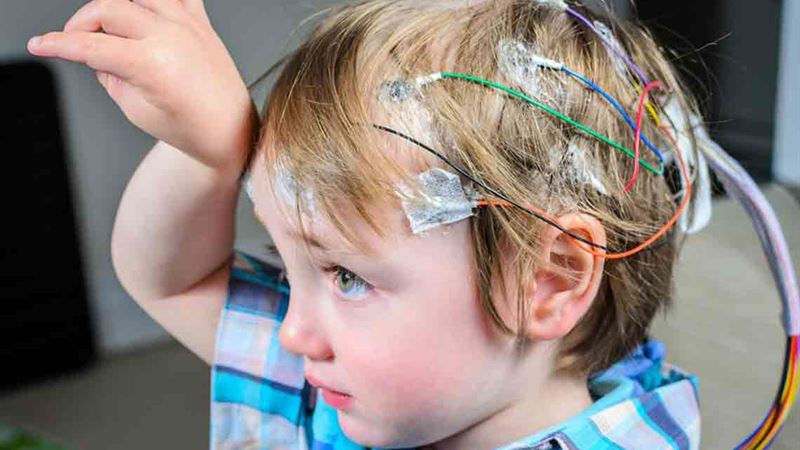
Despite effective therapies, some patients may still fear seizure recurrence. Regular monitoring through neurological assessments, including EEG testing, can assist in tracking disease activity. Consulting specialized neurologists and epileptologists accelerates accurate diagnosis and tailored treatment plans, which are essential for optimal management. Neurosurgical evaluation may also be indicated in certain refractory cases, offering additional treatment options when medications prove insufficient.
Understanding Seizure Recurrence Risks
For patients who have experienced only a single seizure, the need for long-term anticonvulsant therapy is often unnecessary. Preventative measures such as avoiding alcohol, ensuring sufficient sleep, and managing stress are effective in reducing the risk of subsequent episodes. However, for individuals with multiple seizures, anticonvulsants become a standard part of treatment to prevent future attacks. The American Epilepsy Society recommends a structured four-stage response to seizure management, which is crucial in emergency scenarios.
- Initial Post-Seizure Phase (0-5 minutes): This stabilization period involves providing first aid and initial assessment to ensure patient safety.
- Early Medical Intervention (5-20 minutes): Pharmacological agents such as benzodiazepines are administered to halt ongoing seizures.
- Secondary Treatment Phase (20-40 minutes): Medications like fosphenytoin, valproic acid, or levetiracetam are introduced to respond to the ongoing seizure activity.
- Advanced Intervention (beyond 40 minutes): When previous measures fail, anesthetic agents such as thiopental, midazolam, or propofol are used to suppress seizure activity, particularly in intensive care settings.
The urgency of early and aggressive treatment is emphasized in cases where seizures threaten neurological health. If seizures persist beyond 30 minutes, the risk of permanent brain injury increases markedly. Hence, rapid intervention in emergency settings is vital for patient recovery and safety.
In essence, a seizure results from abnormal electrical activity in the brain, causing symptoms ranging from uncontrolled body movements to loss of consciousness. Immediate medical response is essential to prevent complications. Various therapies are available, but success can vary depending on individual circumstances. Typically, ongoing medication is required to prevent recurrence, especially in cases rooted in metabolic imbalance or genetic predisposition. Factors such as brain injuries or strokes can provoke seizures, highlighting the importance of prompt diagnosis and treatment. Managing seizures involves a multidisciplinary approach, with neurologists, neurosurgeons, and supportive care working together to optimize patient outcomes.